你是我亲生儿子 我能害你吗
“you are my own son. Will I hurt you?”
THE DIALOGUE REEL
子秋啊
“Ziqiu,”
你 是我 亲生儿子 我能害你吗
“you are my own son. Will I hurt you?”
我爸每天早上 三点半起床
“My dad gets up at half past three every morning.”
“Trust me without question because blood is thicker than water.”
In Chinese culture, biological parenthood is traditionally regarded as an indisputable source of benevolent authority, sometimes invoked to justify self-interested actions.
LEARNING CHUNKS & PARTICLES
biological son
Emphasizes a blood relationship, often cited in family disputes to claim natural legitimacy.
would I ever harm you?
A rhetorical question used to reject suspicion and demand unquestioning faith.
Forms a rhetorical question that strongly implies an emphatic negative answer.
VOCABULARY & EXPRESSIONS
Parallel Spoken Cinema Scenes (语义近邻切片)
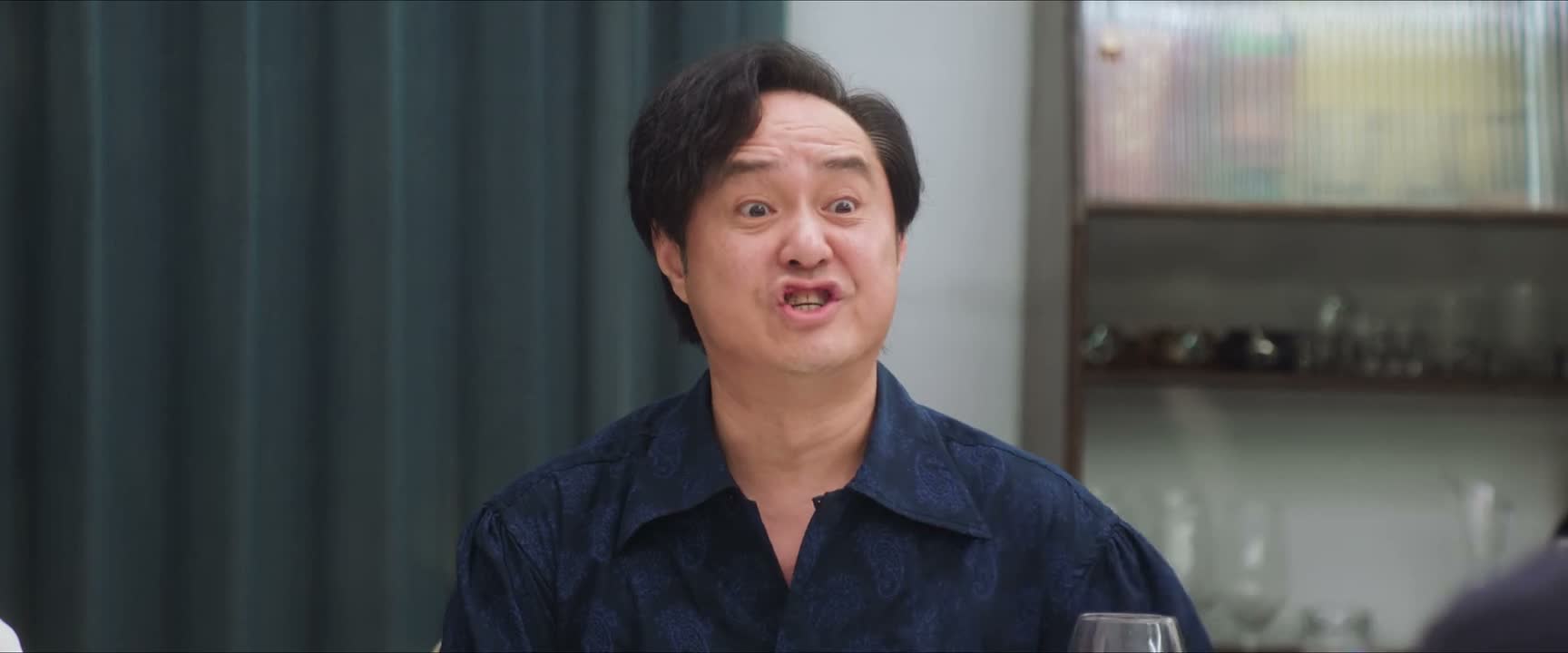
“That's my boy.”

“You're my natural daughter. Mine.”
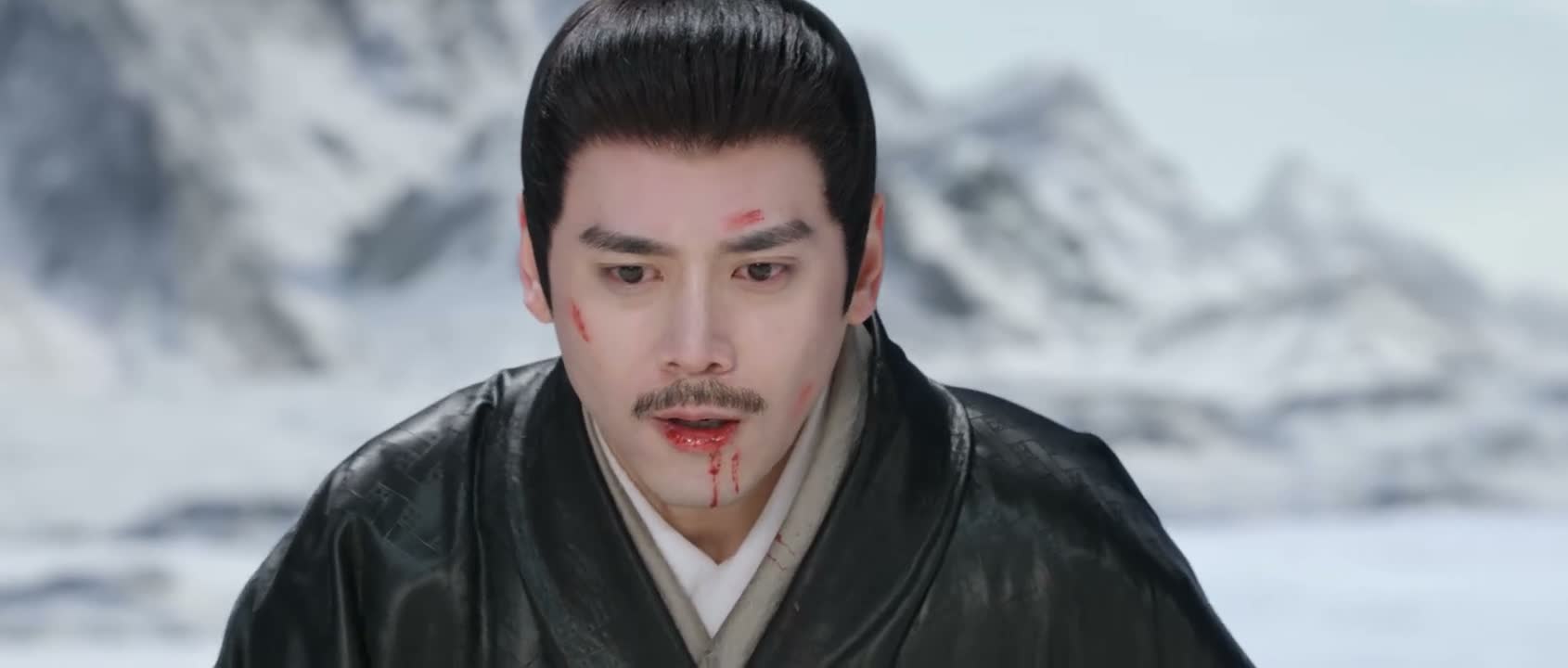
“and even caused the death of your son.”
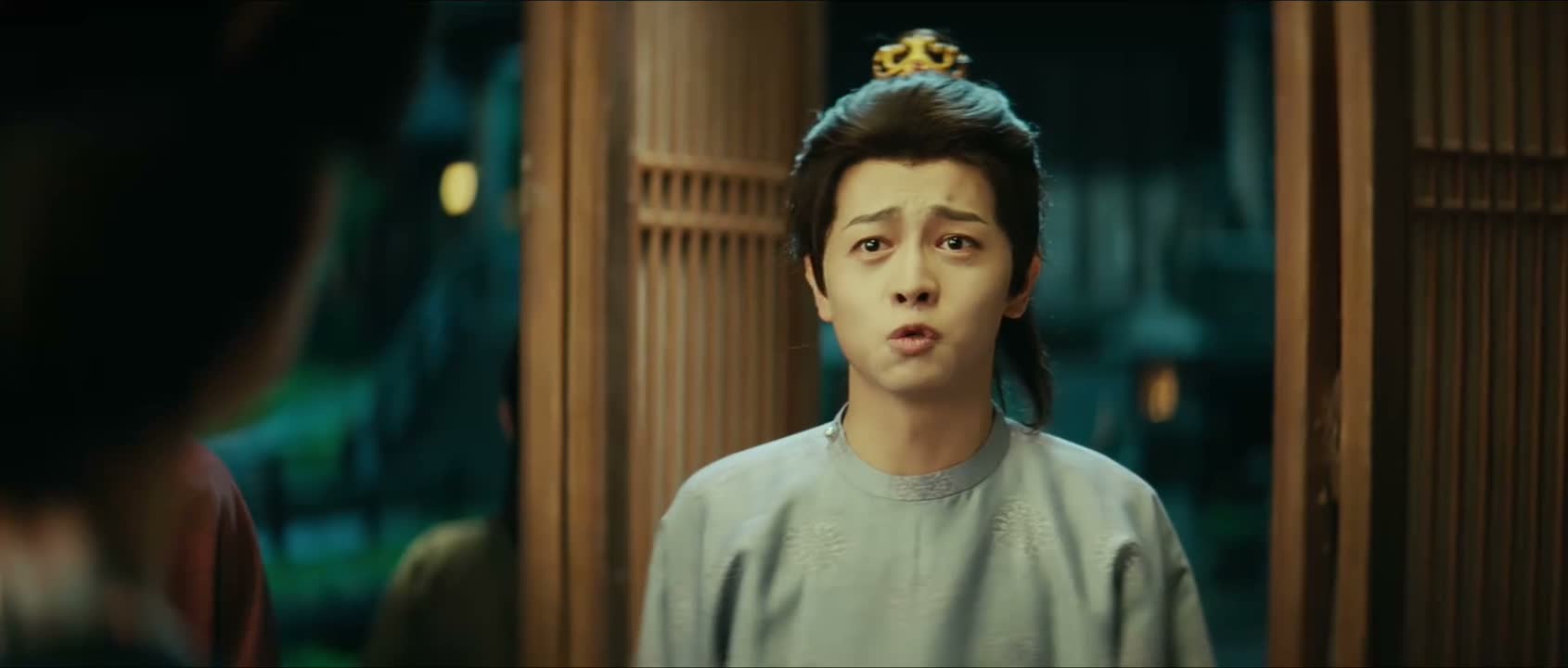
“If I were your biological son,”
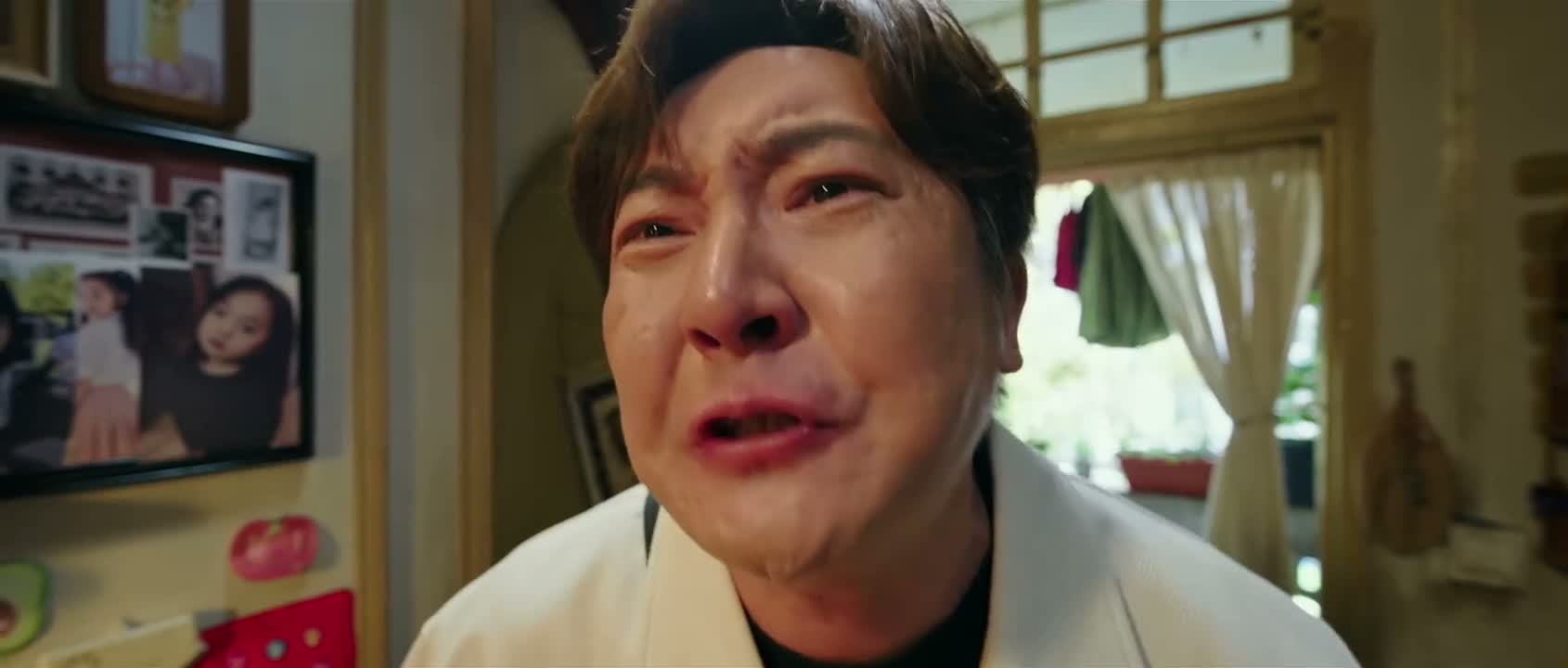
“Am I not your biological son?”

“I killed my son with my own hands.”