人家下午赶飞机呢 我能说不吗
“She has to catch a plane in the afternoon. Can I say no?”
THE DIALOGUE REEL
走吧
“Let's go.”
人家 下午 赶飞机 呢 我 能说不吗
“She has to catch a plane in the afternoon. Can I say no?”
走了走了走了
“Let's go. Let's go.”
“I had no choice but to accommodate them, so stop complaining.”
Refusing someone on a tight timeline is often seen as uncooperative, so accommodating urgent travel schedules is considered standard social courtesy.
LEARNING CHUNKS & PARTICLES
rush to catch a flight
A standard spoken collocation used to explain urgency due to impending travel.
could I say no? / did I have a choice?
A rhetorical question used to express a lack of alternatives or social pressure to comply.
Emphasizes the ongoing state or context that justifies the speaker's decision.
Marks a rhetorical question expecting the obvious answer 'no'.
VOCABULARY & EXPRESSIONS
Parallel Spoken Cinema Scenes (语义近邻切片)

“You'll miss the plane, you won't get up”

“Otherwise, you'll miss your flight. Don't worry. Someone will take good care of them.”
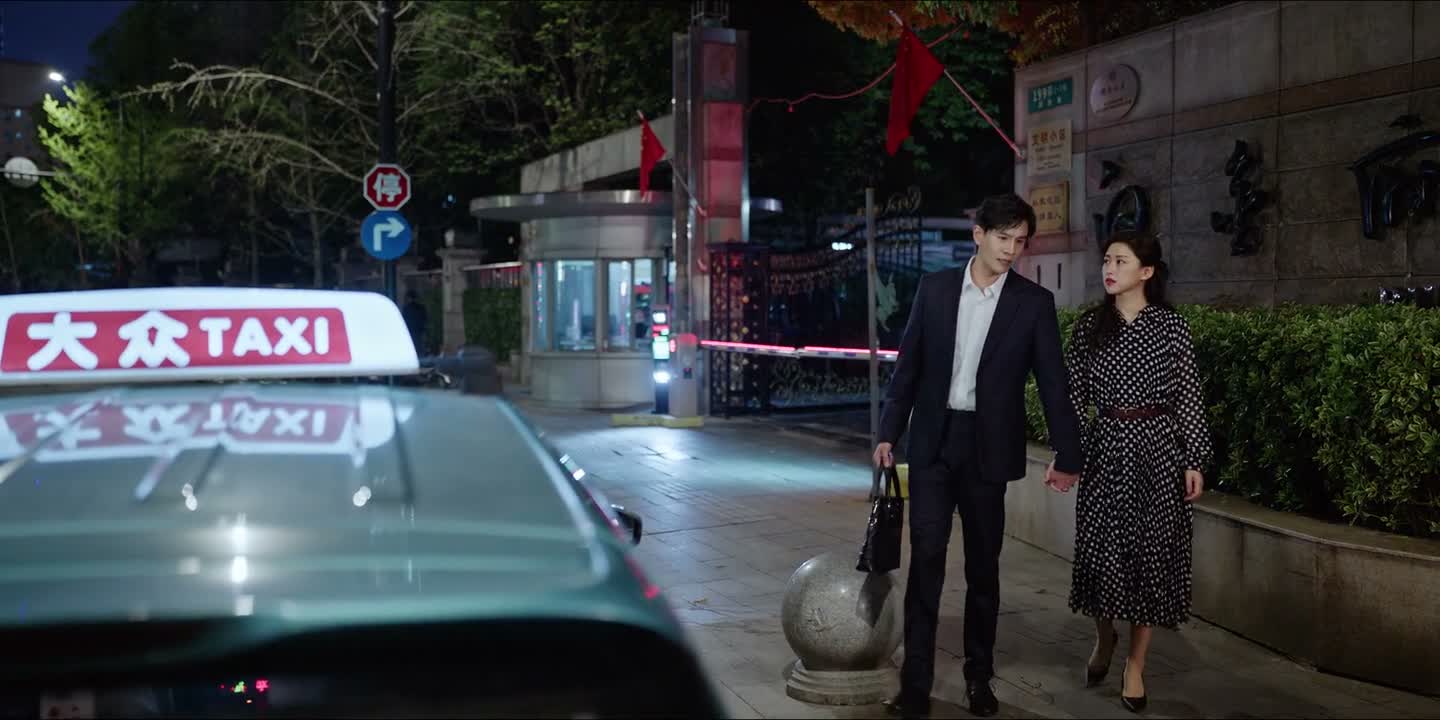
“I need to catch an early flight tomorrow morning.”

“be at the airport?”

“Why didn't you ask if I just got off the plane?”

“I have a flight to catch. My ride's arriving soon.”