那个人是怎么死的吗
“ow that person died?”
THE DIALOGUE REEL
老板 你知道
“Boss, do you know”
那个 人 是怎么死的 吗
“ow that person died?”
怎 怎么死的
“H-how he died?”
“Don't act naive; you know exactly what happened to him.”
Bluntly mentioning death ('死') is normally taboo in Chinese social settings; using it directly indicates serious investigative urgency and legal gravity.
LEARNING CHUNKS & PARTICLES
how (they) died
Employs the '是...的' construction to emphasize the manner or circumstances of an event.
Turns the clause into a yes-no question testing the interlocutor's awareness.
VOCABULARY & EXPRESSIONS
Parallel Spoken Cinema Scenes (语义近邻切片)

“How did they die?”

“How exactly did he die?”
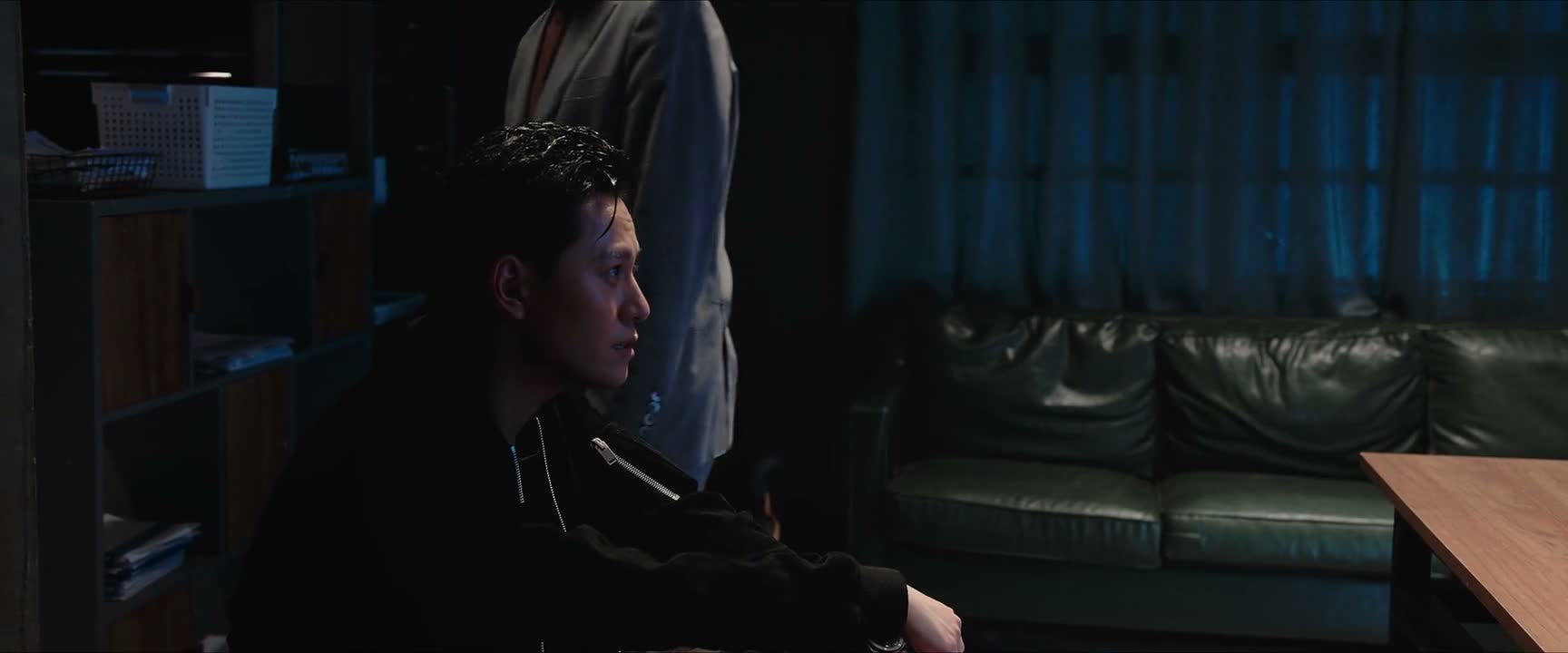
“Otherwise, I wouldn't even know how I died.”

“Let's see who will die.”

“If that person dies,”

“Do you think this man is dead or alive?”