MC
MandarinClips Cinema Corpus
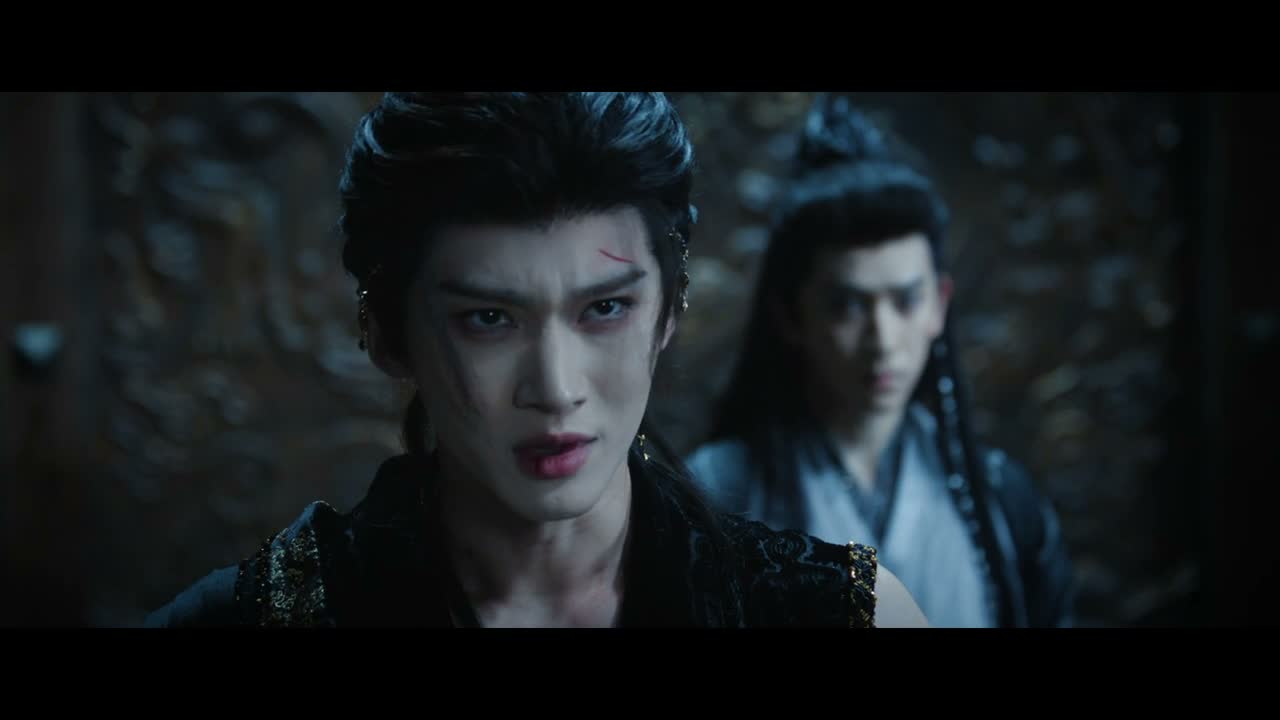
《Ashes to Crown》 S1·E21 (33:55) HSK 4
nán dào zhēn de wú jiě le ma ?

难道真的无解了吗?

“Is there really no solution to Wangcheng's problem?”

《Ashes to Crown》 S1·E21
TIMECODE: 33:55 · 1080P MASTER AUDIO

THE DIALOGUE REEL

1+1+1 SPOKEN CONTINUITY
[-1] PREVIOUS TURN wàng chéng de kùn jú

望城的困局

“Is there really no solution to Wangcheng's problem?”

nán dào zhēn de wú jiě le ma ? CURRENT FOCUS

难道 真的 无解 了 吗 ?

“Is there really no solution to Wangcheng's problem?”

[+1] FOLLOW-UP TURN ( wàng chéng )

(望城)

“WANGCHENG”

Subtitles synced to millisecond timecode Browse Show Clips →
Scene: Crisis & Conflict
Function: SEEKING REASSURANCE
Tone: SKEPTICAL
Emotion: ANXIETY
WHAT THEY REALLY MEAN (PRAGMATIC SUBTEXT)
“There must be a way out; we cannot just give up.”
💡 Cultural Insight: Rhetorical Questioning (反问表心焦)

Using '难道' in stressful scenarios conveys desperate resistance against an unfavorable outcome rather than just a factual query.

INTENT TAGS: #doubt #anxiety #protesting #probing
🧩

LEARNING CHUNKS & PARTICLES

2 CHUNKS · 2 PARTICLES
难道 SPOKEN CHUNK

could it be that; do you mean to say

A rhetorical adverb used at the beginning of a question to convey disbelief, doubt, or frustration.

无解 SPOKEN CHUNK

insoluble; having no solution

Derived from mathematics, commonly used in everyday spoken Chinese for deadlocks or impossible situations.

Modal Particle「了」 (le) CHANGE OF STATE

Marks a change of state, highlighting that the situation has deteriorated into being hopeless.

Modal Particle「吗」 (ma) CHANGE OF STATE

Forms a question that reinforces the speaker's lingering doubt and reluctance to accept the deadlock.

🏮

VOCABULARY & EXPRESSIONS

3 EXPR · 1 GRAMMAR
CROSS-CINEMA CORPUS BOARD · PARALLEL SCENES

Parallel Spoken Cinema Scenes (语义近邻切片)

EXPLORE BY SEMANTIC SIMILARITY
《Ashes to Crown》 S1·E21 (33:55) · Authentic Cinema Dialogue Corpus