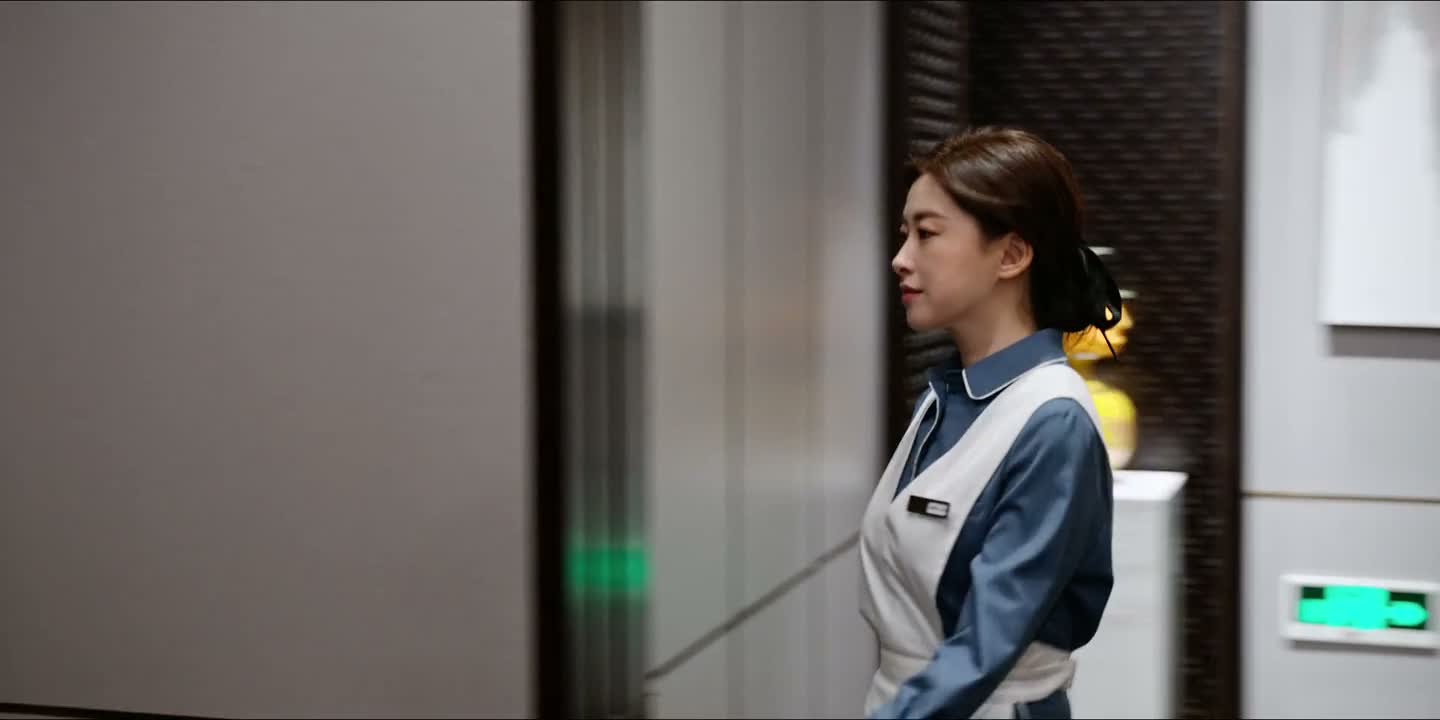
你怎么知道不是老大让我来的呢
“How do you know he didn't send me?”
THE DIALOGUE REEL
“But don't question Mr. Dong's ability to manage clients.”
你怎么知道不是 老大让我来的 呢
“How do you know he didn't send me?”
“Let's take a step back. Why do you care who I drink with”
“Back off, you don't know what the boss ordered me to do.”
In corporate hierarchies, invoking approval from 'the boss' (老大) is a common tactical shield against interference from peers.
LEARNING CHUNKS & PARTICLES
how do you know?
Used aggressively to challenge an assumption made by the other person.
it wasn't the boss who sent me
Common workplace phrasing invoking the boss's authority to justify one's actions.
Softens the rhetorical question while adding a provocative, probing undertone.
VOCABULARY & EXPRESSIONS
Parallel Spoken Cinema Scenes (语义近邻切片)

“You're the boss. Are you asking me?”

“I was sure you had a plan.”

“We have you, Boss. It wouldn't be my turn anyway.”
“how do you know it's a boy?”

“You're the boss of this house.”

“Besides, your boss hasn't said anything yet.”