MC
MandarinClips Cinema Corpus
《The Glamorous Night》 S1·E8 (02:43) HSK 6
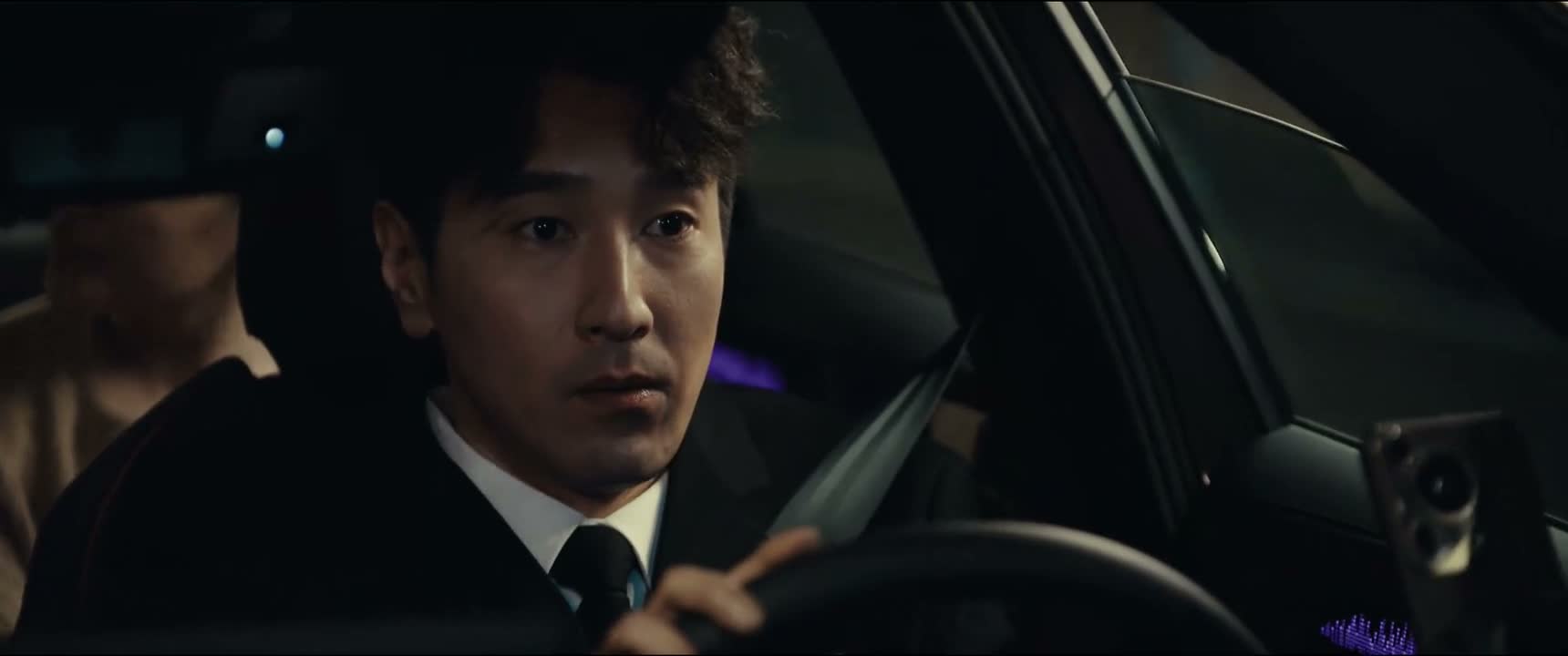
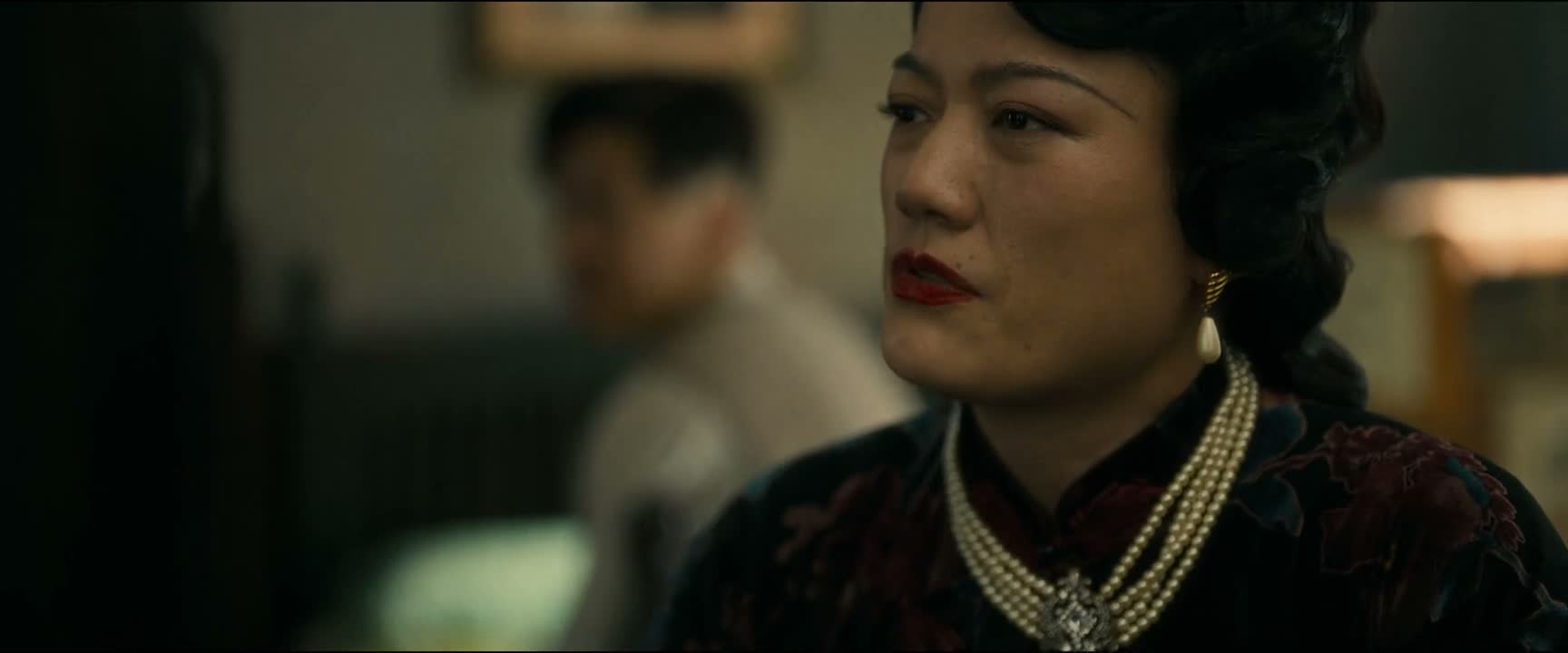
wǒ jià gěi nǐ wǒ yī tiān hǎo rì zi mò guò guò ba

我嫁给你 我一天好日子没过过吧

“I have only suffered in this marriage.”

《The Glamorous Night》 S1·E8
TIMECODE: 02:43 · 1080P MASTER AUDIO

THE DIALOGUE REEL

1+1+1 SPOKEN CONTINUITY
[-1] PREVIOUS TURN yáo xiǎo huī

姚晓辉

“Yao Xiaohui.”

wǒ jià gěi nǐ wǒ yī tiān hǎo rì zi mò guò guò ba CURRENT FOCUS

我 嫁给你 我 一天好日子没过过 吧

“I have only suffered in this marriage.”

[+1] FOLLOW-UP TURN wǒ hái tì nǐ káng zhe yì bǎi duō wàn de zhài wǒ hái tì nǐ yǎng nǚ ér

“I'm paying your one-million debt. And I'm raising your daughter.”

Subtitles synced to millisecond timecode Browse Show Clips →
Scene: Family & Home
Function: GUILT TRIPPING
Tone: ACCUSATORY
Emotion: ANGER
WHAT THEY REALLY MEAN (PRAGMATIC SUBTEXT)
“You have brought me nothing but misery, debt, and hardship since the day we got married.”
💡 Cultural Insight: Recounting Marital Bitterness (Su Ku)

In marital arguments, Chinese spouses often air a litany of past sacrifices and hardships to establish moral superiority and induce remorse.

INTENT TAGS: #accusation #guilt_tripping #reproach #grievance
🧩

LEARNING CHUNKS & PARTICLES

2 CHUNKS · 1 PARTICLES
好日子 SPOKEN CHUNK

a good life / peaceful, prosperous days

Commonly used in domestic contexts to describe a comfortable, trouble-free standard of living.

嫁给你 SPOKEN CHUNK

marry you (specifically used for a woman marrying a man)

In Chinese, 嫁 specifically means a woman marrying into a husband's family, while 娶 is used for a man marrying a woman.

Modal Particle「吧」 (ba) CHANGE OF STATE

Turns the statement into a forceful rhetorical tag question seeking reluctant agreement or challenging the listener to deny it.
🏮

VOCABULARY & EXPRESSIONS

2 EXPR · 0 GRAMMAR
CROSS-CINEMA CORPUS BOARD · PARALLEL SCENES

Parallel Spoken Cinema Scenes (语义近邻切片)

EXPLORE BY SEMANTIC SIMILARITY
《The Glamorous Night》 S1·E8 (02:43) · Authentic Cinema Dialogue Corpus