等东窗事发的时候为自己开罪
“He was prepared to shift the blame when things came to light.”
THE DIALOGUE REEL
“Lin Huosheng is very cunning. Those are definitely fake screenshots.”
等 东窗事发 的时候为 自己 开罪
“He was prepared to shift the blame when things came to light.”
“You know what? I actually look down on him.”
Direct spoken expression in this communicative setting.
This idiom originates from the Song dynasty story of traitor Qin Hui plotting secretly by the east window, symbolizing that malicious schemes will eventually be exposed.
LEARNING CHUNKS & PARTICLES
a plot or crime is exposed; the secret is out
A classical idiom commonly used when illicit deeds or scandals are inevitably brought to light.
to exonerate oneself; to absolve oneself from blame
Used in formal or written-influenced speech to describe shifting blame or avoiding punishment.
VOCABULARY & EXPRESSIONS
Parallel Spoken Cinema Scenes (语义近邻切片)

“The killer climbed out the back window,”

“You earned merit while investigating the treason case,”
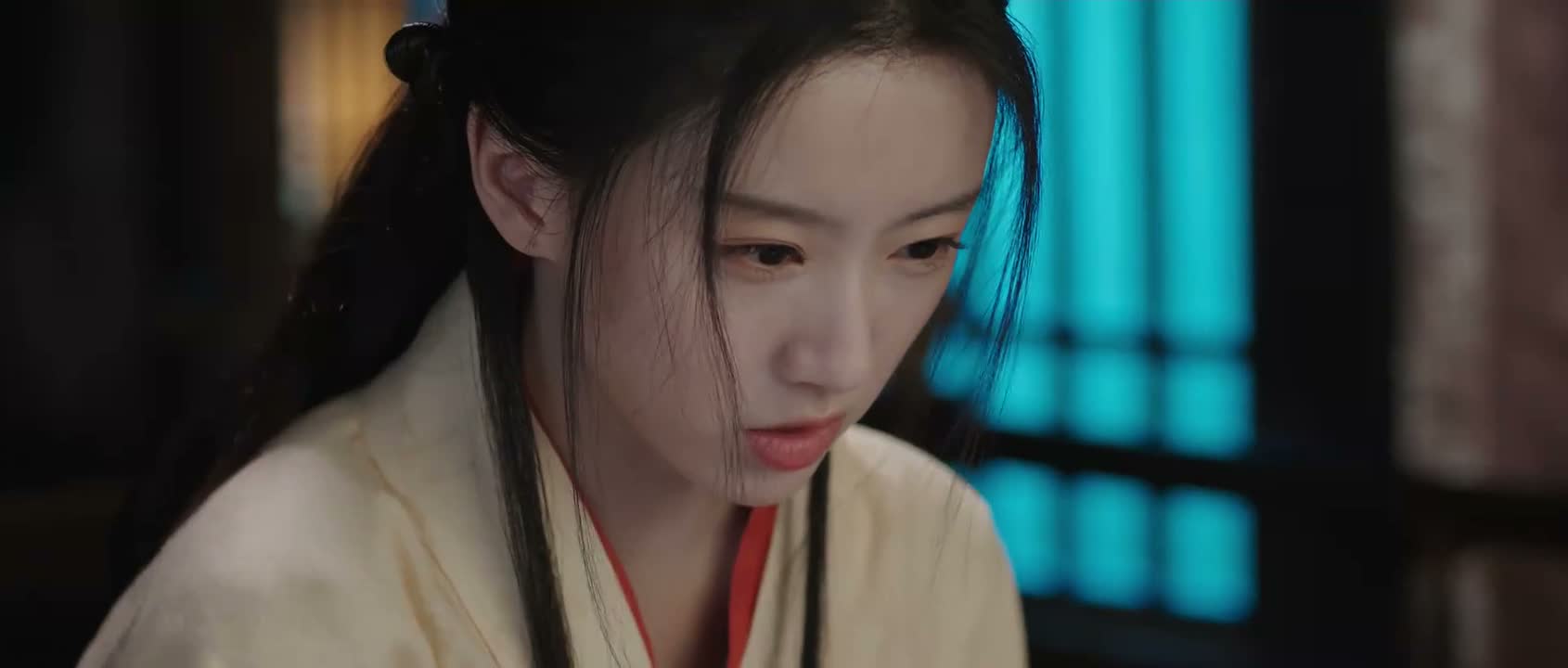
“that petty man will surely become a vengeful ghost”
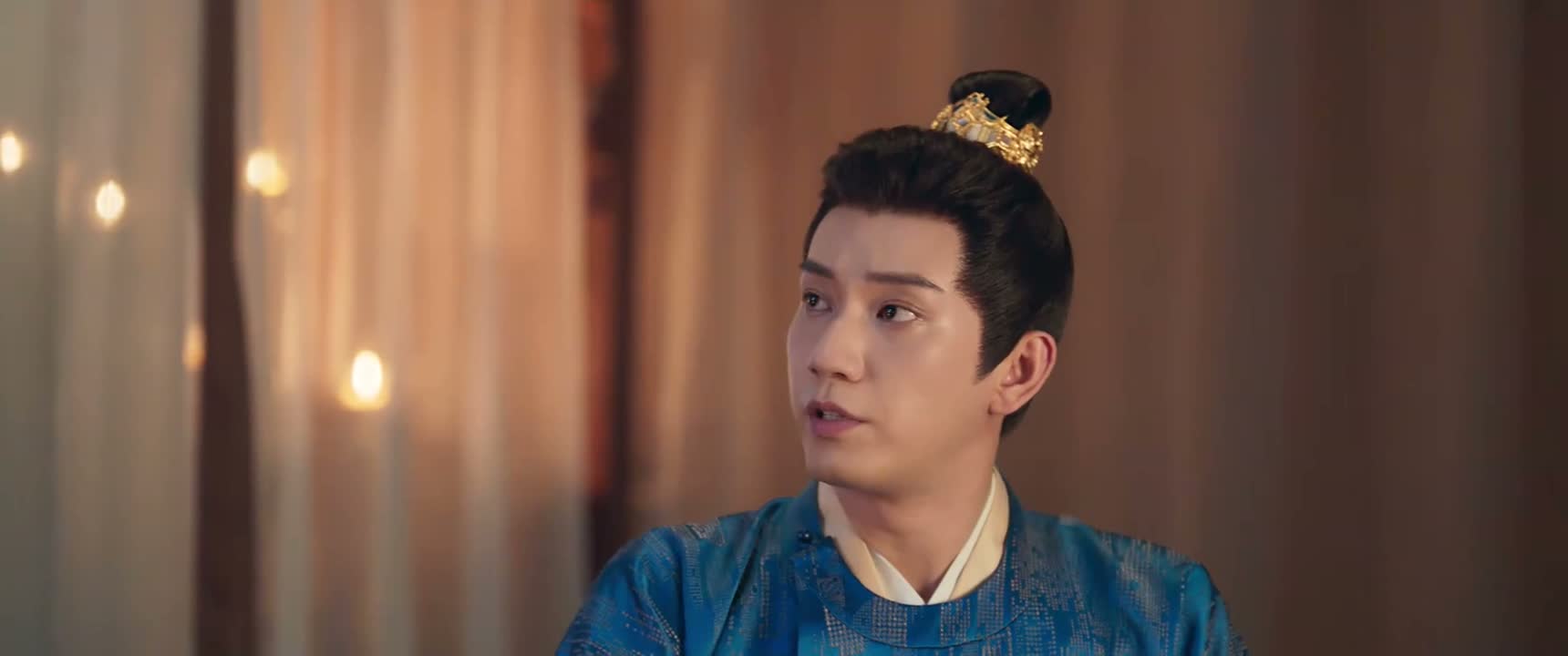
“You and Jing Yi chose the same window, huh?”
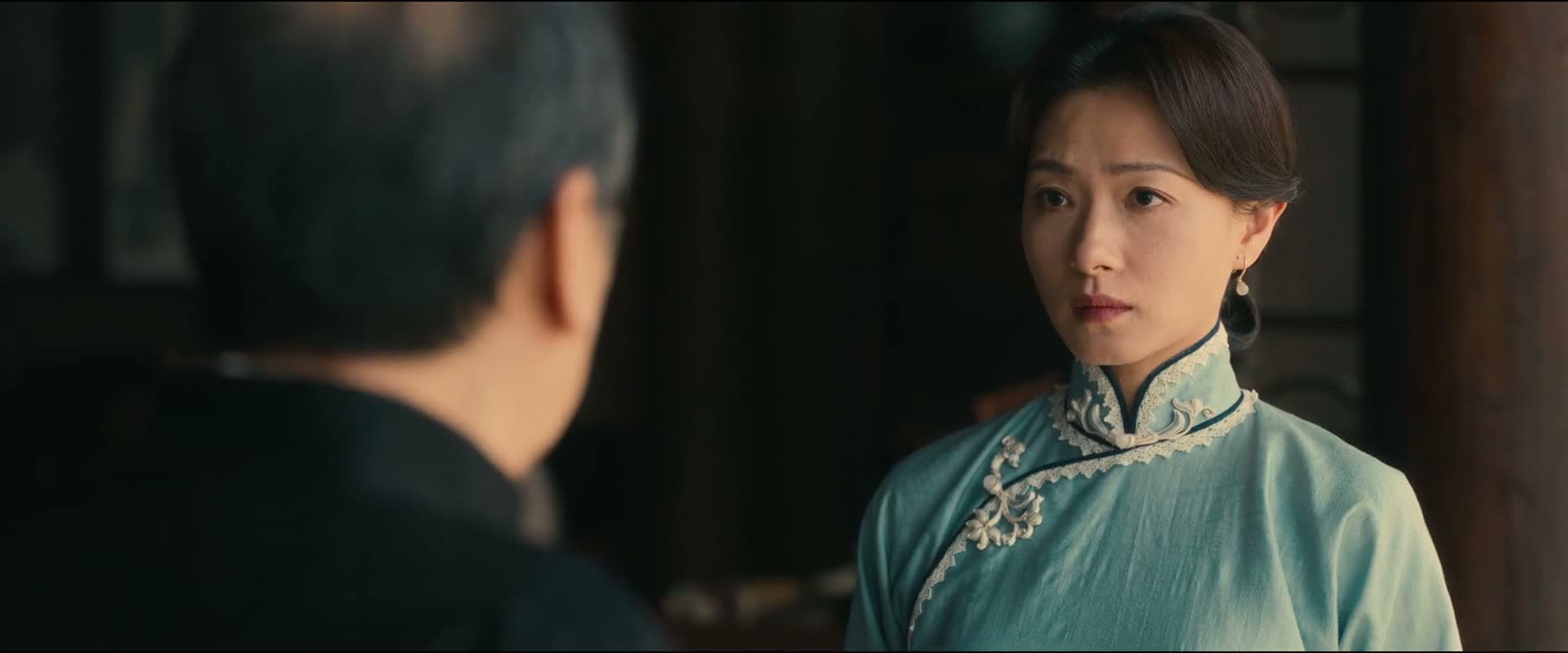
“silently bearing Yunkui's injustice.”
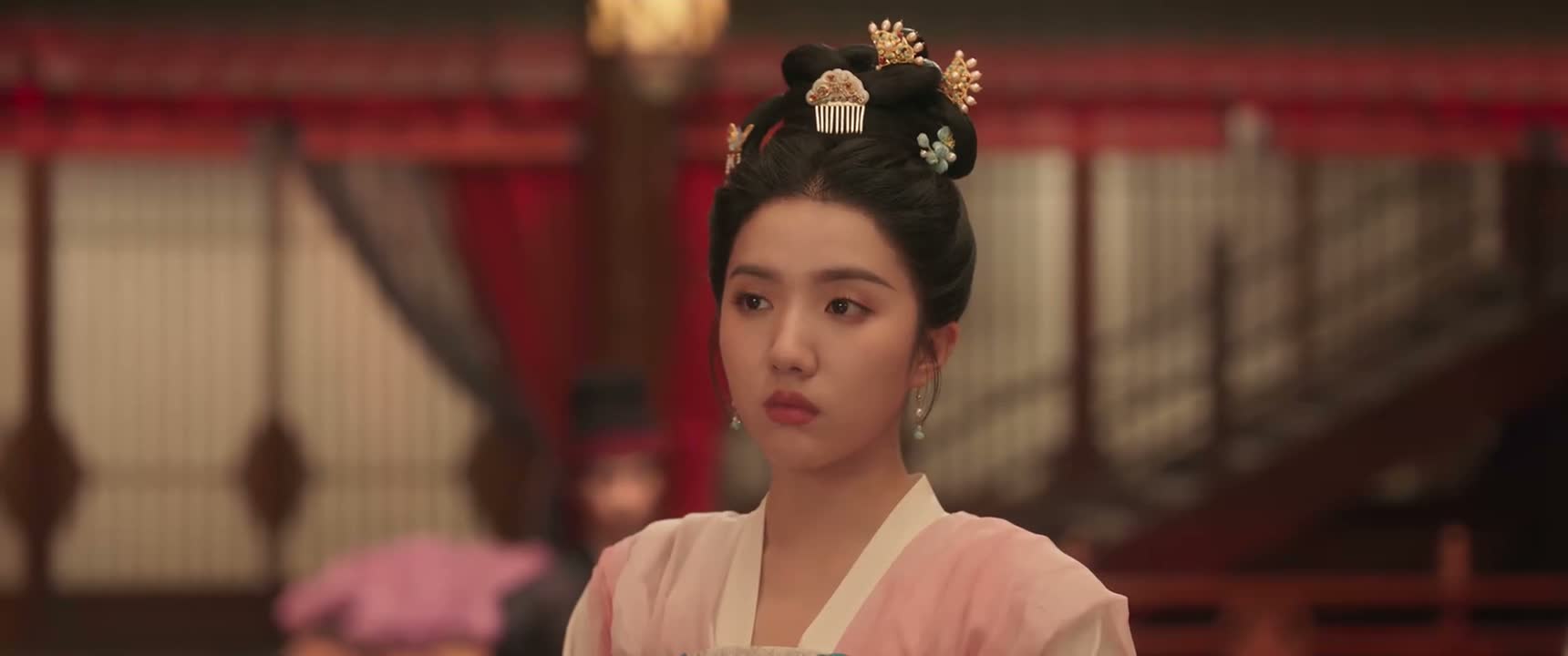
“the killer would go free.”