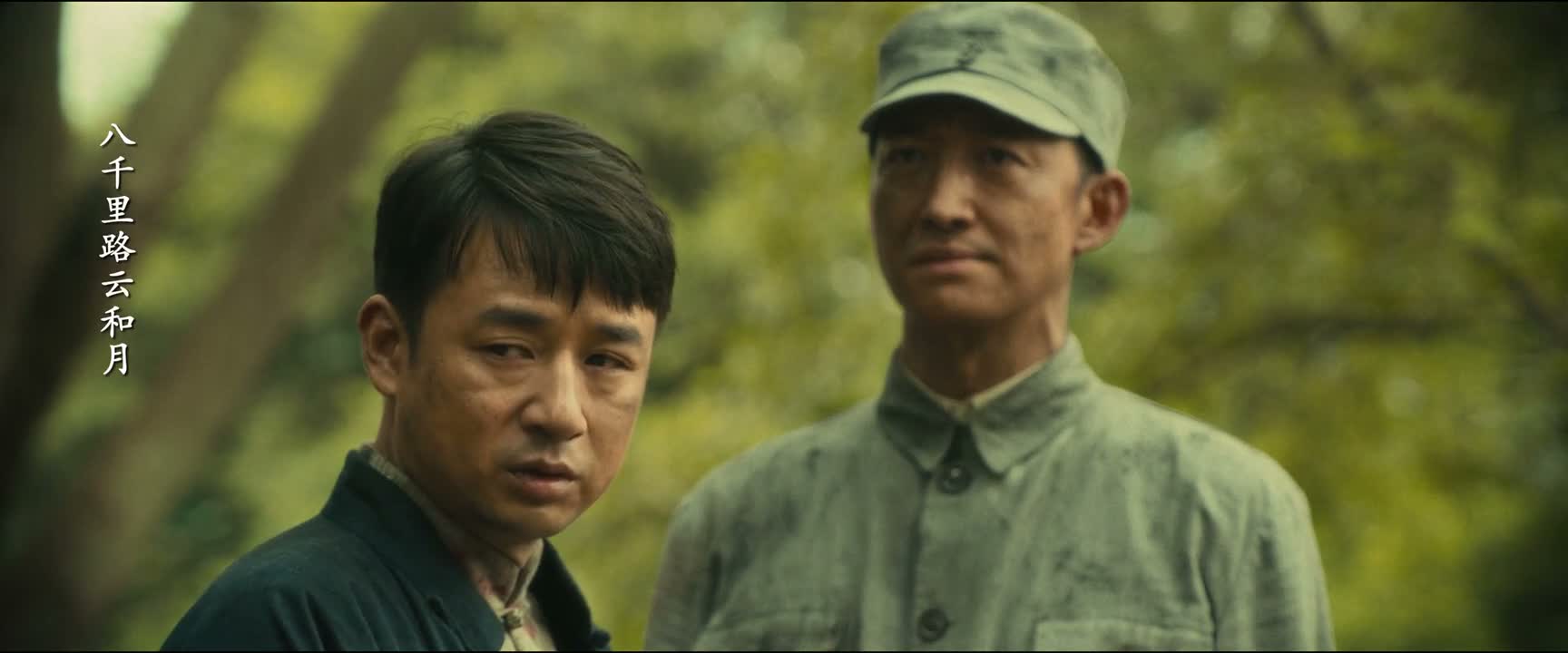
但你看上去像是哭了
“But you look like you're crying.”
THE DIALOGUE REEL
没有啊
“No.”
但 你看 上去像是 哭了
“But you look like you're crying.”
你会自己修风筝啊
“You can fix a kite yourself?”
“You don't have to hide your sadness from me; I can see you're hurting.”
Chinese speakers often instinctively deny personal sadness with '没有' to avoid burdening others; pointing out subtle physical cues is an empathetic way to invite them to open up.
LEARNING CHUNKS & PARTICLES
looks like; appears to be
Used to express an inference or impression based on visual cues rather than verified facts.
as if; resembles
A common comparative pattern used to describe perceived states or appearances.
Marks the completion of the action of crying, indicating recent occurrence.
VOCABULARY & EXPRESSIONS
Parallel Spoken Cinema Scenes (语义近邻切片)

“Why do you sound like you're crying?”

“I know you want to cry.”

“Why are you crying like this?”
“I feel like crying.”

“Why are you crying?”
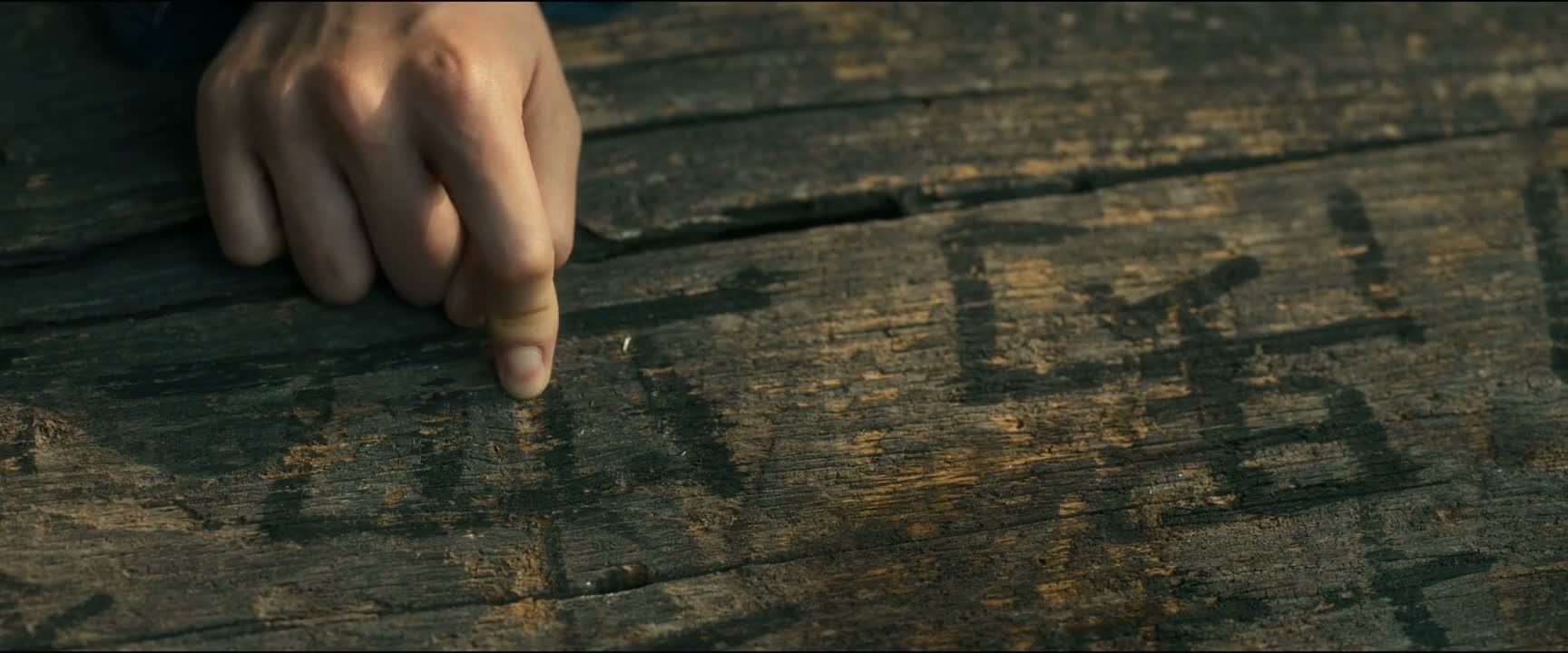
“cry if you want to.”