哭了
kū leCommon spoken expression used by native Chinese speakers in daily life.
[Scene: 家庭日常]
(19 clips) 00:02
 00:02
 00:02
 00:03
 00:03
(哭哭哭 哭啥呢哭 别哭了) ── Previous context
“You little rascal, testing me too? - Stop crying. Quiet. - You...”
 00:02
 00:02
 00:02
 00:03
(我是谁呀) ── Previous context
“The baby actually stopped crying as soon as you held him.”
 00:02
 00:03
(妙华) ── Previous context
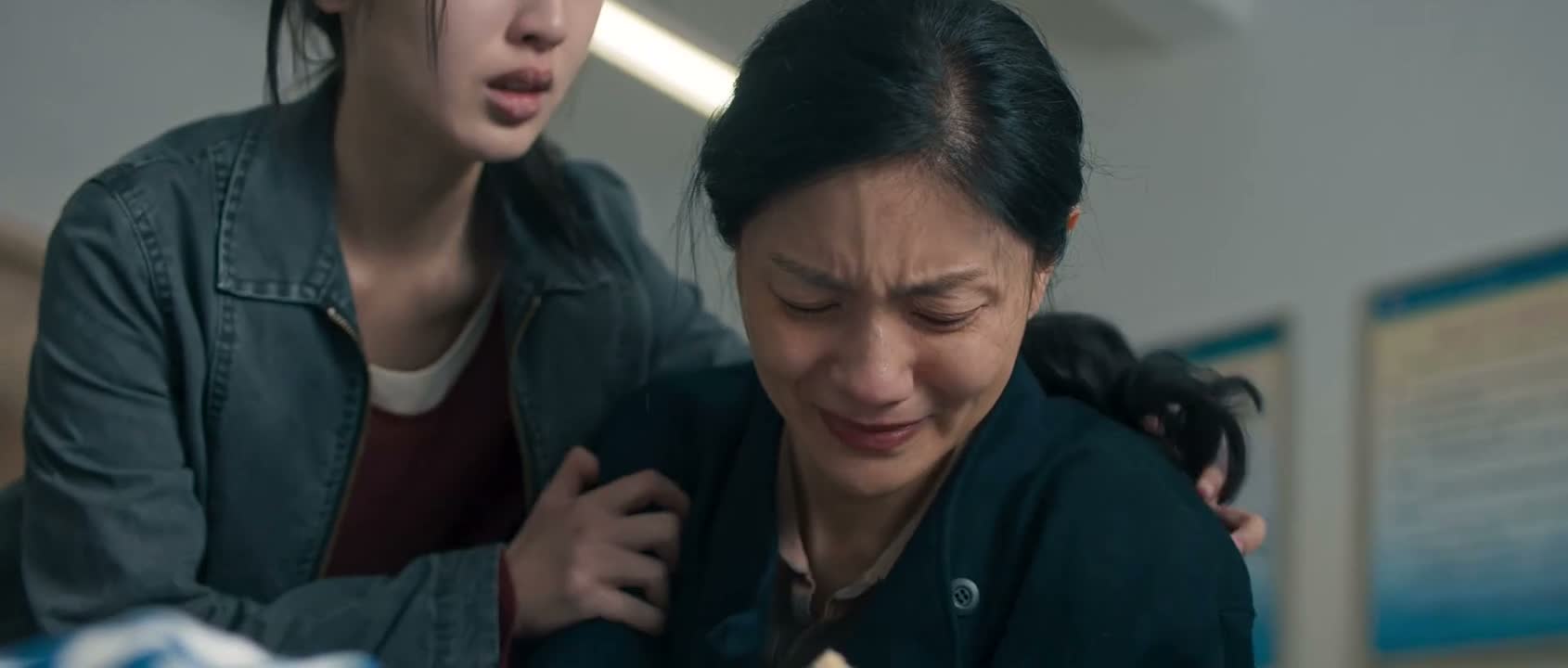
“Woe is me! Don't cry. It's alright. There, there... Everything is fine.”
 00:02
 00:02
 00:02
(宝宝出来了) ── Previous context
“Come, let me hold him I just got him settled Don't make him cry again”
 00:02
 00:03
 00:02
 00:02
 00:02
[Scene: 其他场景]
(6 clips) 00:02
 00:03
(你想这两个小朋友 也没有手机 也没有大人陪着) ── Previous context
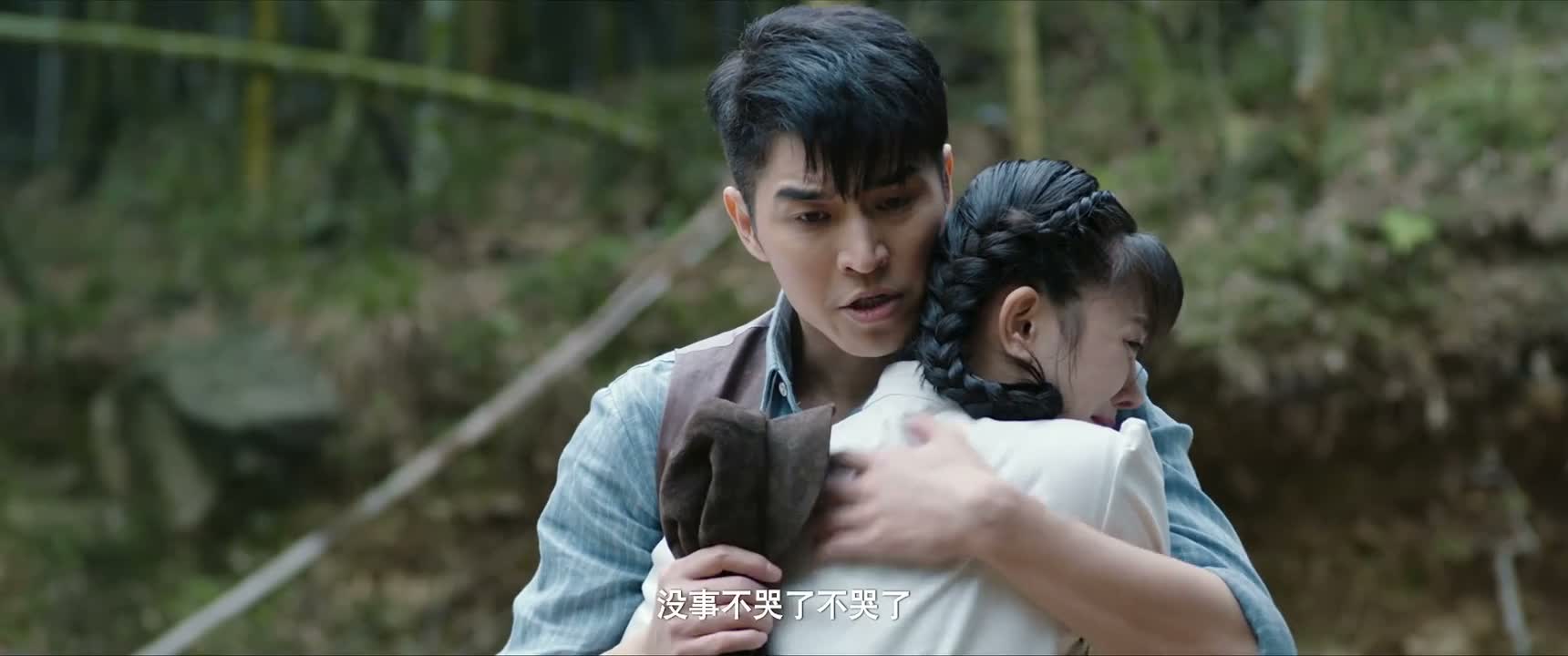
“If they cry for help, no one will respond.”
 00:02
 00:02
 00:02
 00:02
[Scene: 其他场景]
(6 clips) 00:03
 00:02
 00:02
 00:02
 00:02
 00:03
(后来我就给他立了坟) ── Previous context
“I cried a lot when I went back. I cried for three days in a row.”
[Scene: 社交聚会]
(5 clips) 00:02
 00:02
 00:03
 00:02
 00:02
(过了这村可就没这店了) ── Previous context
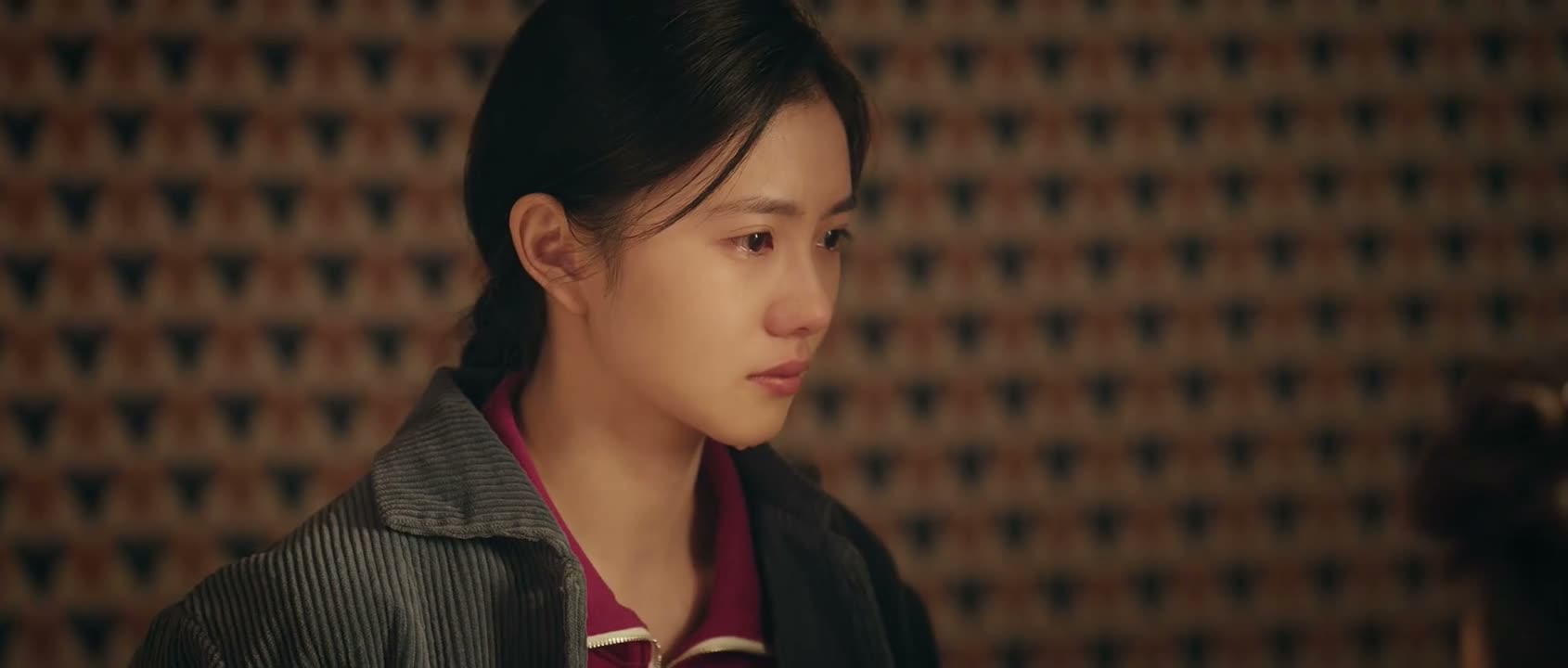
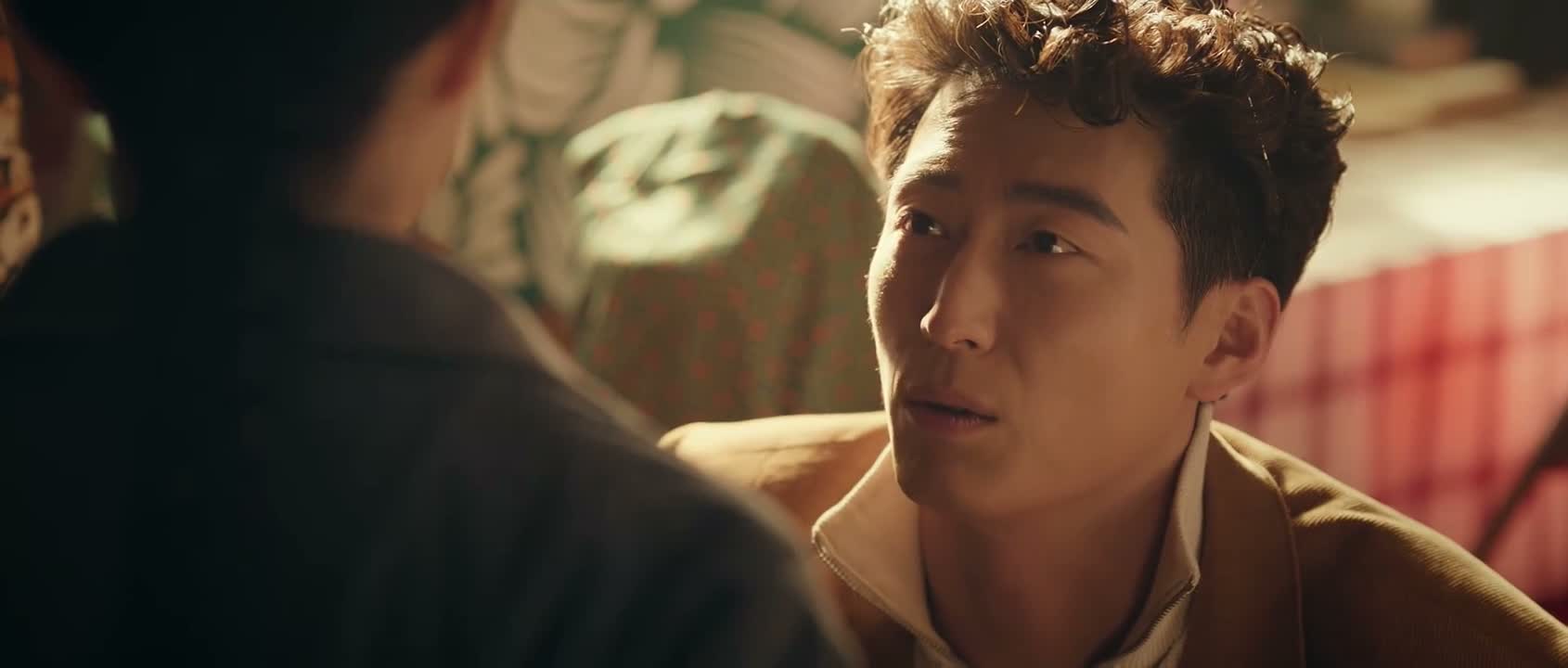
“Don't be so smug. You'll be the one crying soon.”
[Scene: 其他场景]
(2 clips) 00:02
 00:03
[Scene: 历史宫廷]
(1 clips) 00:03
[Scene: 其他场景]
(1 clips) 00:03
(一定可以毕业的) ── Previous context
“Don't cry anymore. It's okay. Actually, it's good to cry it out.”
📌 没事
→Nuance: 更委婉理解的安慰变体
📌 没事
→Nuance: 同为安慰对方不要哭,可互换
📌 行了行了
→Nuance: 核心均劝慰对方并提议回家
📌 好了好了
→Nuance: 劝抚核心意图相近,侧重不同
📌 好了好了
→Nuance: 叠词安慰不要哭,语义完全一致
📌 到底怎么了
→Nuance: 核心询问关切意图一致
📌 得了
→Nuance: 同向近义词根配对: [姑娘 ↔ 小姑娘]
📌 对不起
→Nuance: 安慰中带有道歉,口吻有差异
📌 对不起
→Nuance: 安慰对方停止哭泣且意图相近
📌 姐
→Nuance: 核心交际意图一致,皆为劝阻哭泣