回去之后我就大哭了一场 连着哭了三天
“I cried a lot when I went back. I cried for three days in a row.”
THE DIALOGUE REEL
后来我就给他立了坟
“Then I set up a grave for him.”
回去 之后我就大 哭了 一场 连着 哭了 三天
“I cried a lot when I went back. I cried for three days in a row.”
哭有一个好处
“It's good to cry.”
Direct spoken expression in this communicative setting.
Describing weeping for multiple days is a candid way Chinese speakers illustrate profound bereavement and psychological devastation after a loved one's passing.
LEARNING CHUNKS & PARTICLES
had a good, long cry
Used when an emotional breakdown or release of tears occurs over an extended episode.
in succession; consecutively
Commonly placed before a verb phrase or time duration to emphasize continuity without a break.
Marks the completion of an action that triggered a major emotional release.
VOCABULARY & EXPRESSIONS
Parallel Spoken Cinema Scenes (语义近邻切片)
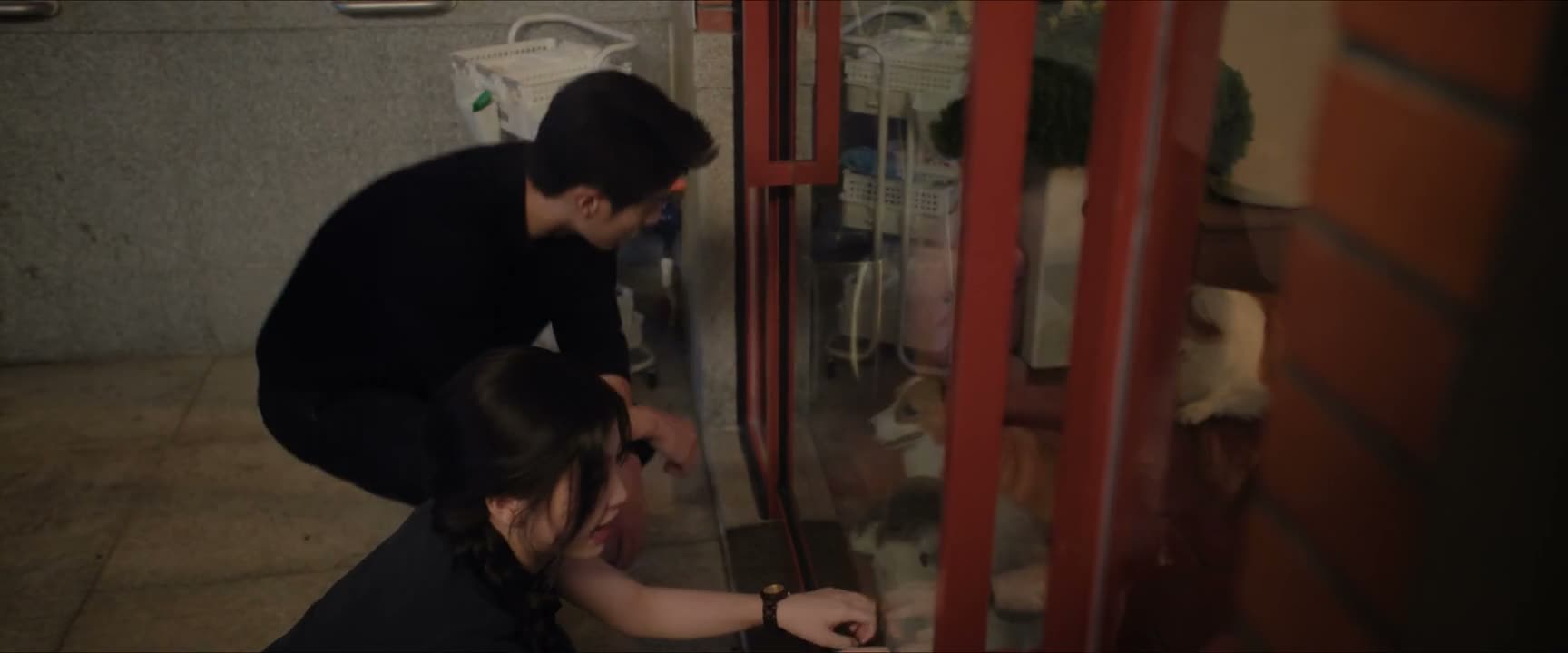
“I'll make you cry with my kisses next time.”

“she cried for hours.”

“I haven't cried once since I was 3. I'm sure that”

“the next time you cry will be in 30 minutes.”

“She caught a chill afterward,”

“and comes home crying like a wee bairn every time.”