没事不哭了不哭了
“It's okay, don't cry, don't cry.”
THE DIALOGUE REEL
怎么了菊儿
“What's wrong, Juer?”
没事不哭了不哭了
“It's okay, don't cry, don't cry.”
Direct spoken expression in this communicative setting.
Repeating short comforting phrases twice is a standard Chinese conversational method to create warmth and calm heightened emotions.
LEARNING CHUNKS & PARTICLES
it's alright; no problem
A highly versatile reassurance phrase used to downplay distress or trouble.
stop crying; dry your tears
Commonly repeated by caregivers or loved ones to pacify a crying child or friend.
Marks a change of state, instructing the listener to cease their current state of weeping.
VOCABULARY & EXPRESSIONS
Parallel Spoken Cinema Scenes (语义近邻切片)
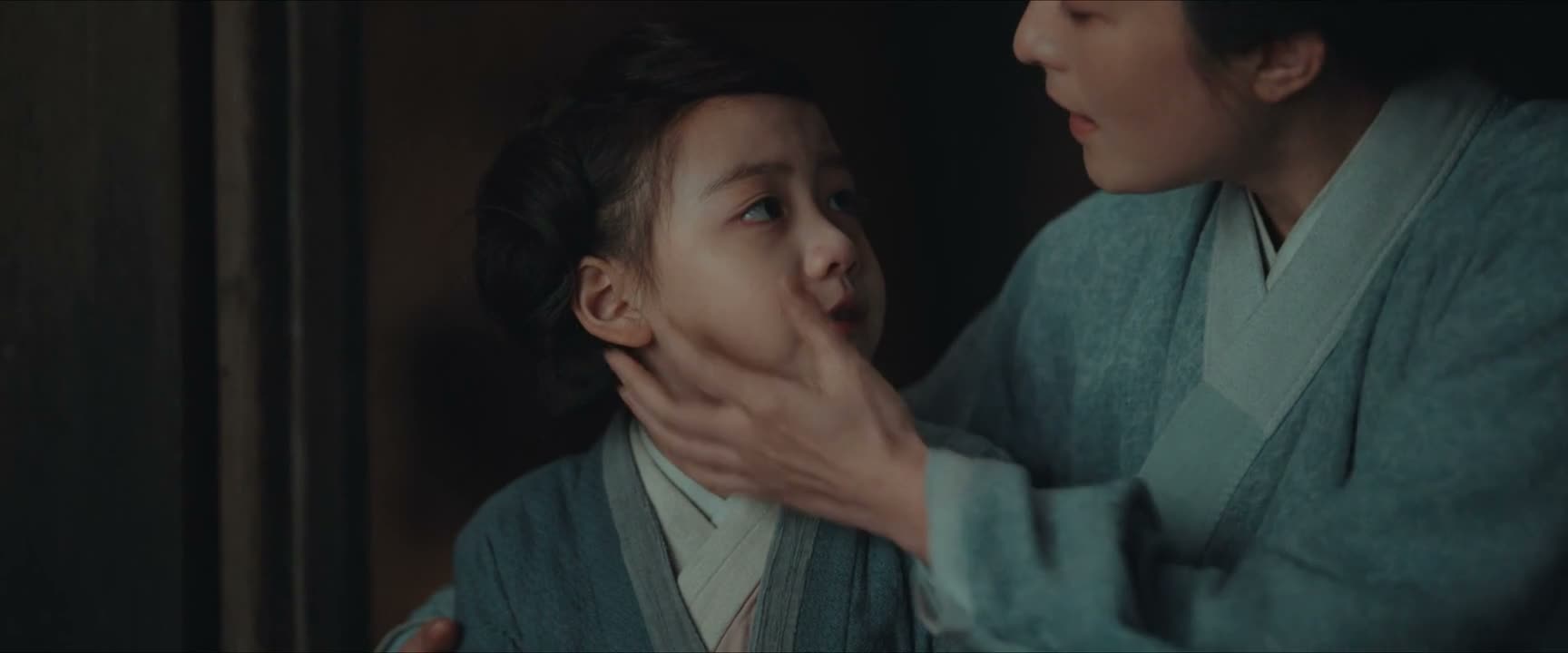
“Alright. Don't cry.”
“Alright, don't cry.”
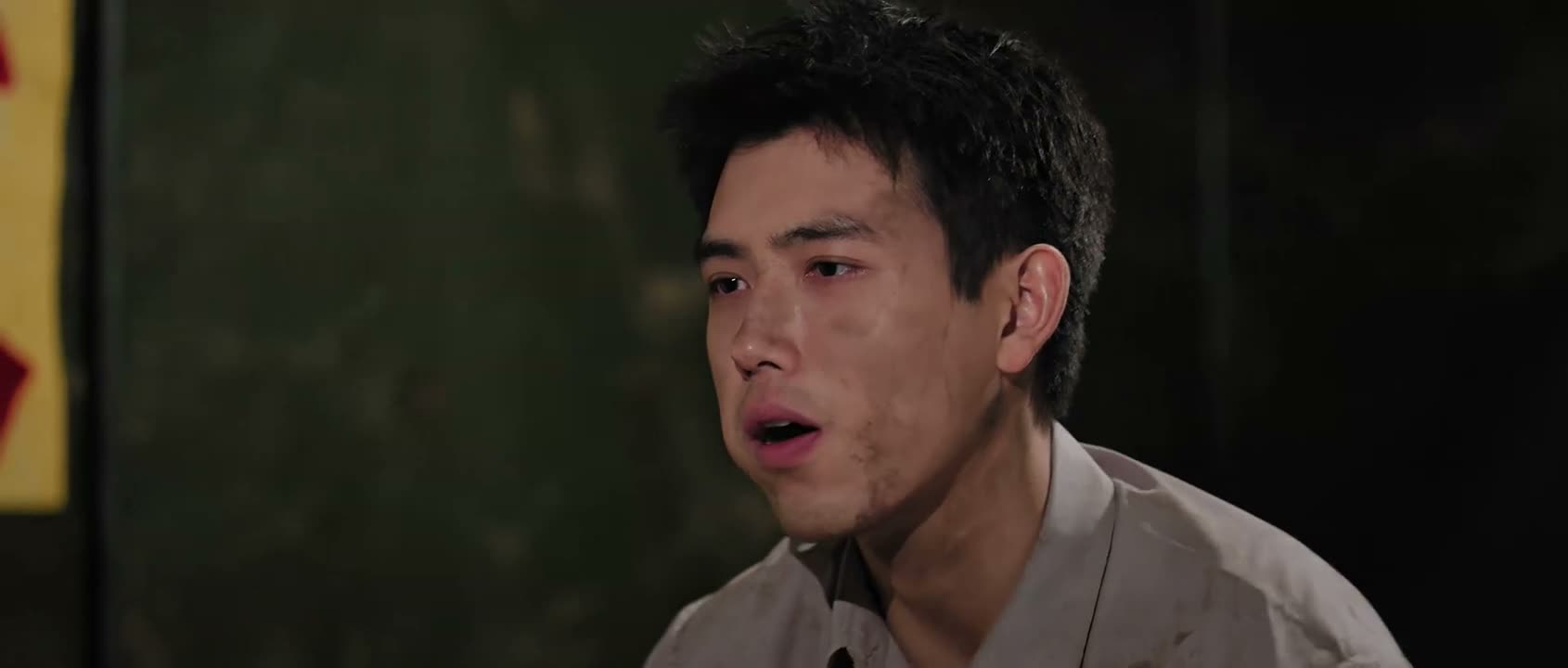
“All right, all right. Don't cry.”

“Alright, don't cry.”