我太唐突了 对不起
“I was too abrupt. I'm sorry.”
THE DIALOGUE REEL
在香港
“In Hong Kong,”
我 太 唐突了 对不起
“I was too abrupt. I'm sorry.”
Direct spoken expression in this communicative setting.
Admitting that one was 'tangtu' (abrupt/improper) shows humility and restores social equilibrium after an awkward or unreciprocated advance.
LEARNING CHUNKS & PARTICLES
abrupt / rash / intrusive
A polite, slightly formal adjective commonly used when apologizing for overstepping boundaries or speaking without tact.
I am sorry
The standard expression of sincere apology in Chinese.
Marks the excessive degree when combined with '太' (太...了), emphasizing the speaker's recognition of their overstep.
VOCABULARY & EXPRESSIONS
Parallel Spoken Cinema Scenes (语义近邻切片)

“I was being presumptuous. Please don't take it to heart, Miss Qin.”

“I was too aggressive today. I'm sorry.”
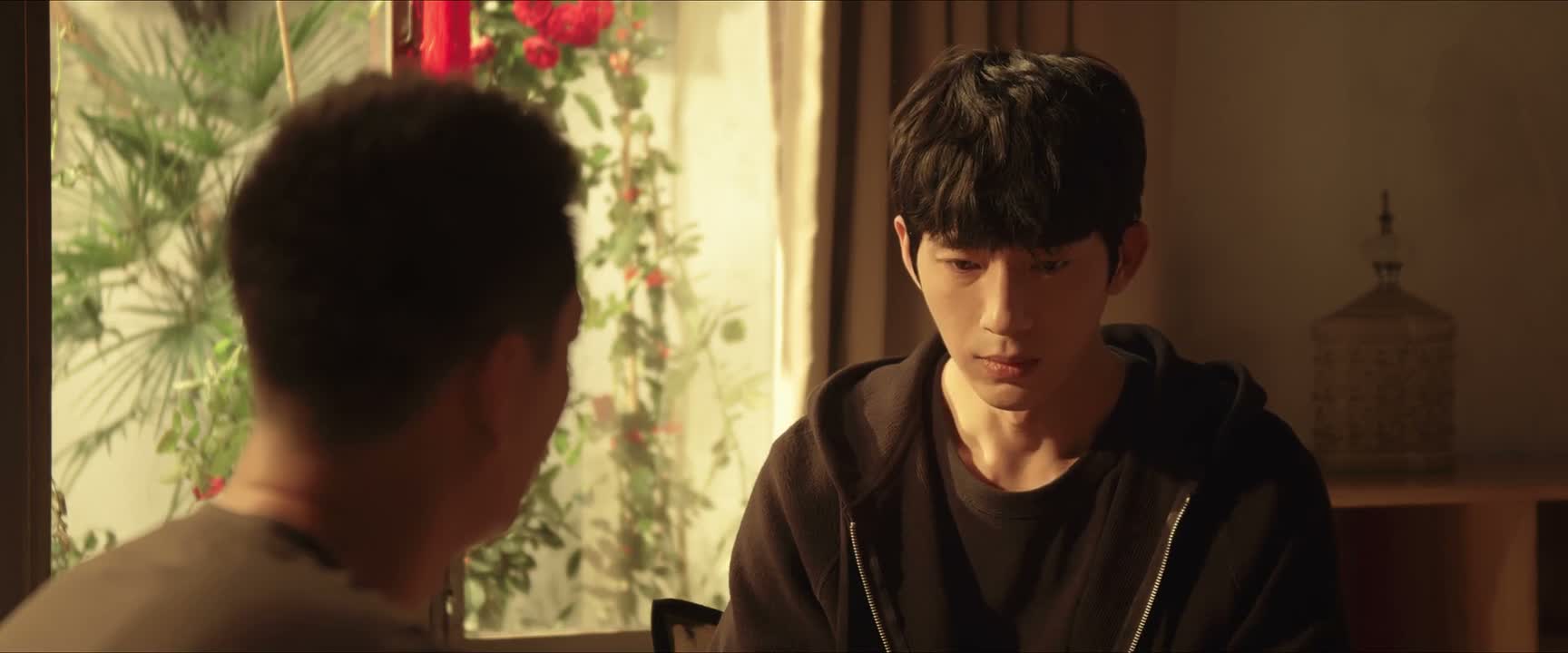
“I'm sorry. I was being presumptuous. No.”

“Then I was being presumptuous.”