那天我也喝多了
“I drank too much that day too.”
THE DIALOGUE REEL
那 天我也 喝多了
“I drank too much that day too.”
其实我回去想了很久
“Actually, I thought about it for a long time after I went back.”
“Don't feel bad or embarrassed; I was also out of control and partly to blame.”
In Chinese social interactions, blaming embarrassing confessions, emotional outbursts, or awkward behavior on alcohol is a standard way to preserve mutual face and soften potential conflicts.
LEARNING CHUNKS & PARTICLES
had too much to drink / drank too much
A very common colloquial expression frequently used as a polite excuse or rationale for uncharacteristic social slips.
Marks a change of state, indicating having crossed the threshold into excessive drunkenness.
VOCABULARY & EXPRESSIONS
Parallel Spoken Cinema Scenes (语义近邻切片)
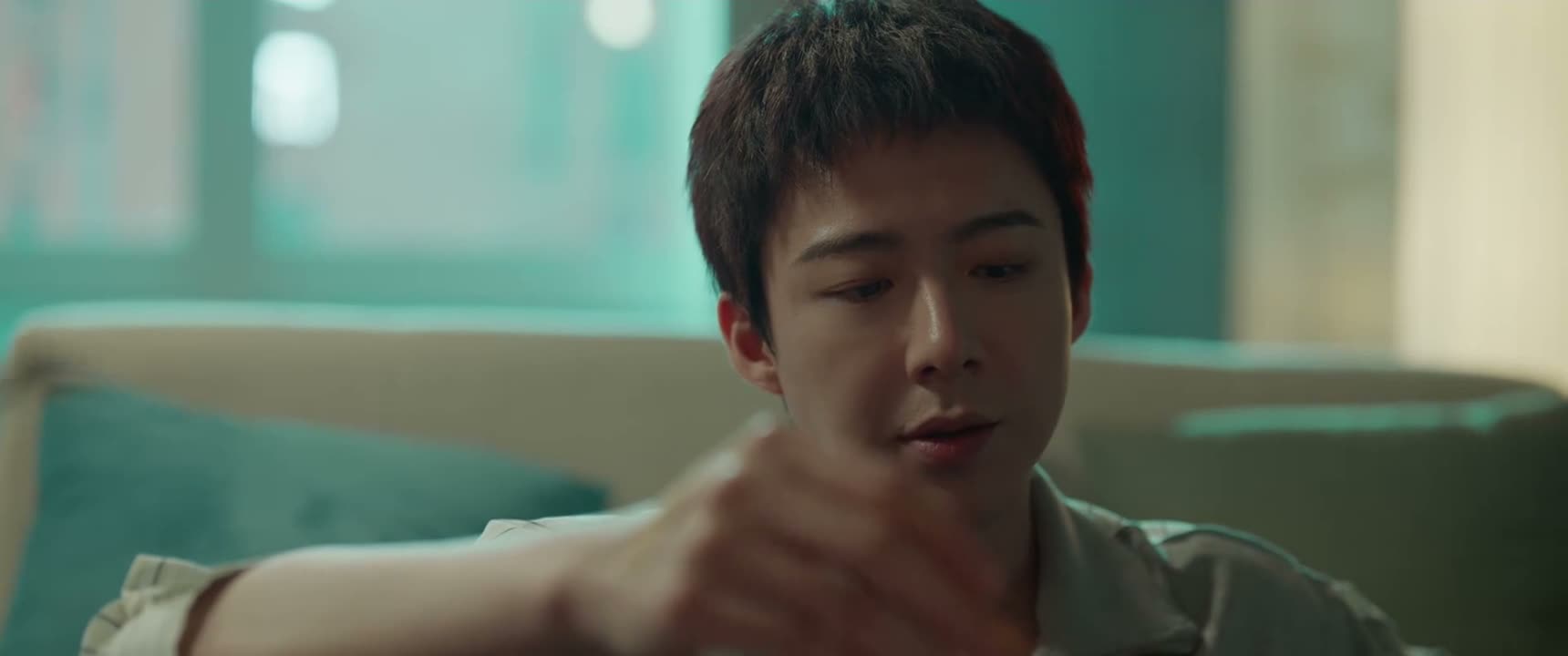
“I acted on impulse that day.”

“That night, he was drunk.”
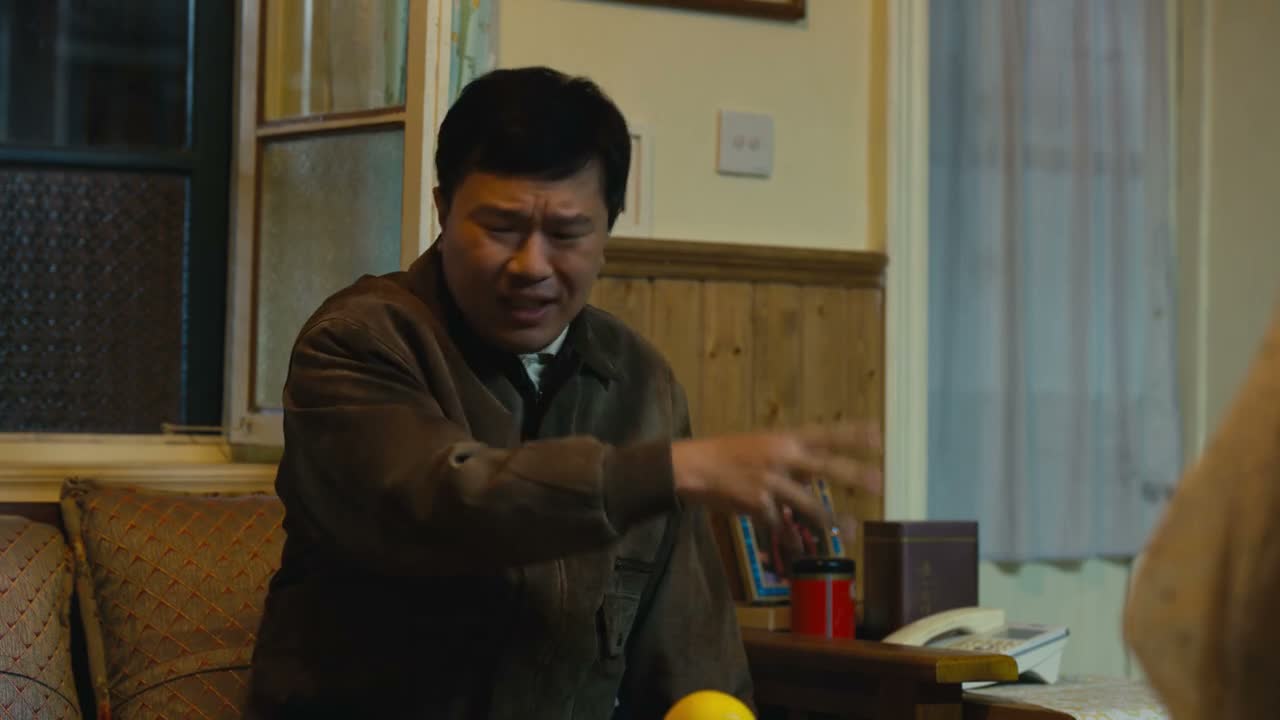
“That day, it was just the alcohol talking.”

“He gets dead drunk every day. When he's drunk, he beats my mom and me!”

“I... I'm drunk. I didn't mean it. I'm drunk.”

“If I drank any more, I would have gotten drunk.”