也就是生他一场 来劝劝你
“who gave birth to him. I came here to talk with you.”
THE DIALOGUE REEL
我是个外人
“and I'm just a stranger”
也 就是 生他一场 来 劝劝你
“who gave birth to him. I came here to talk with you.”
我想 你比我还希望 子秋将来有个好前途
“Because I believe that you want him to have a bright future more than I do.”
“Even though I haven't raised him, my maternal bond still compels me to urge you to do what's best for him.”
In traditional Chinese family ethics, giving birth creates an indelible natural bond, but failing to raise the child diminishes moral standing, leading the speaker to frame her role as merely 'giving birth' to sound humble.
LEARNING CHUNKS & PARTICLES
merely; it is only because
Used to downplay a motive, condition, or one's own standing in order to appear non-threatening.
having brought him into this world; having given birth to him
Carries poignant emotional weight, acknowledging biological motherhood while implying lack of upbringing or prolonged absence.
VOCABULARY & EXPRESSIONS
Parallel Spoken Cinema Scenes (语义近邻切片)

“Go ahead. Be mad. Order for yourself when you're done.”
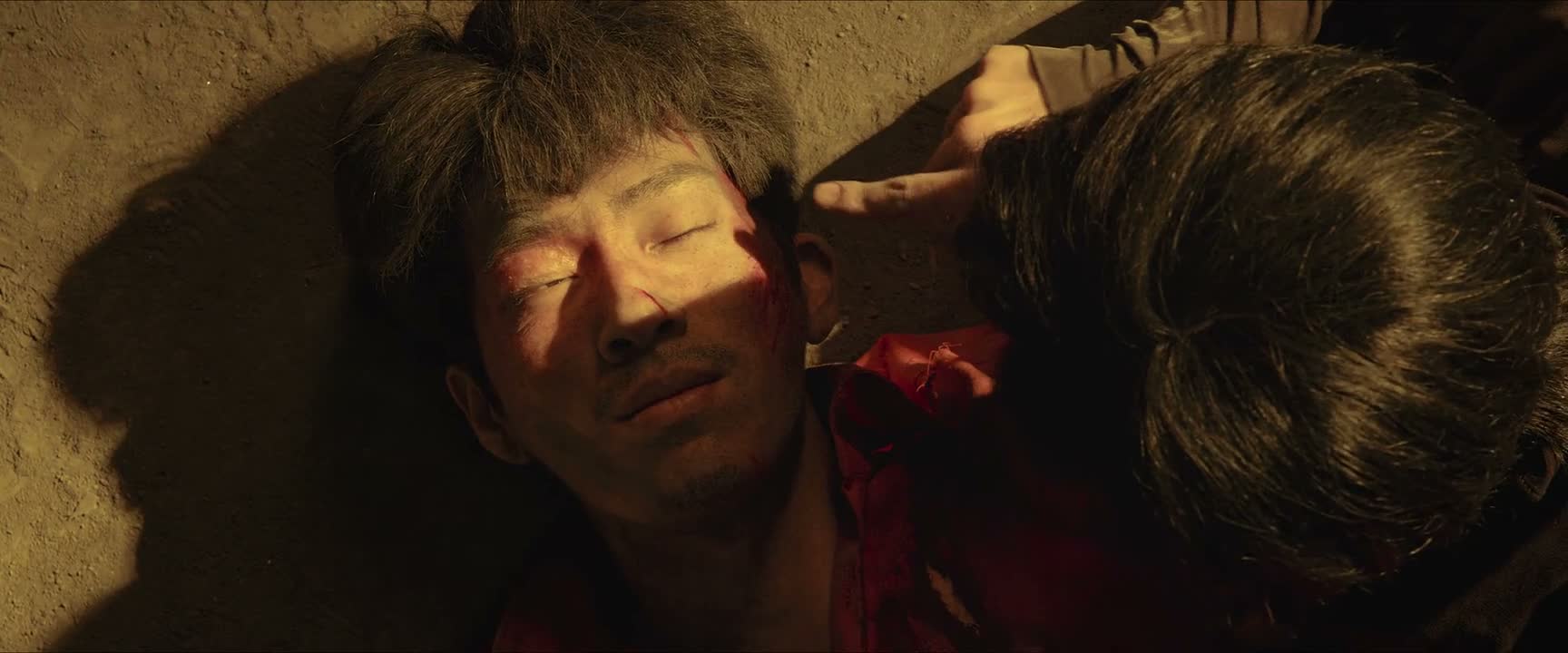
“I will make your life a living hell.”

“Are you mad at me? I am.”

“I'll make him suffer a fate worse than death.”

“But after this illness,”

“I'm not angry with you.”