为何非要和她争吵
“Why did I have to argue with her?”
THE DIALOGUE REEL
都怪我
“It's all my fault.”
为何非要和她争吵
“Why did I have to argue with her?”
如今想想
“Now that I think about it,”
Direct spoken expression in this communicative setting.
Reflecting on unnecessary friction reflects the cultural virtue of prizing relational harmony and blaming oneself ('都怪我') for disrupting peace.
LEARNING CHUNKS & PARTICLES
why / for what reason
A slightly formal rhetorical question word meaning 'why', commonly heard in self-reflective spoken Chinese.
insist on / stubbornly have to
Used to describe stubborn, obstinate behavior that leads to an undesirable or regrettable outcome.
quarrel / argue
Refers to verbal disputes or altercations; interchangeable with '吵架' but slightly more literary.
VOCABULARY & EXPRESSIONS
Parallel Spoken Cinema Scenes (语义近邻切片)
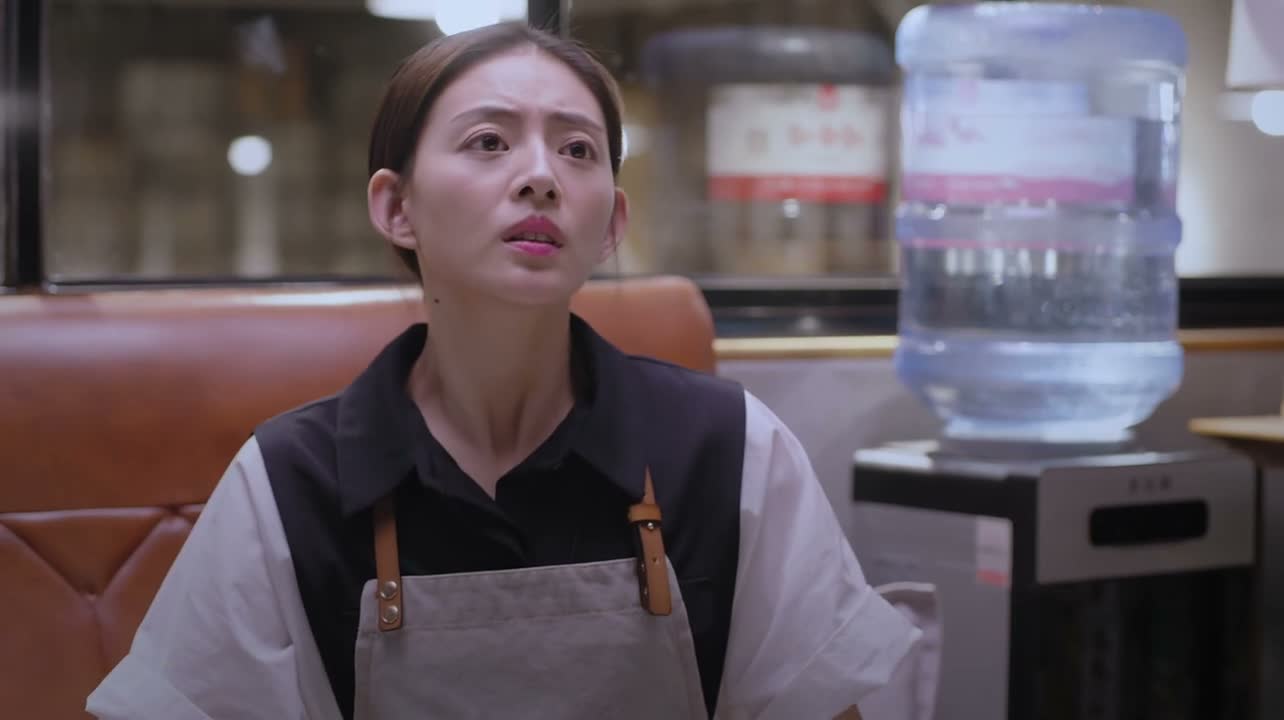
“Why must you share the penalty?”

“Stop thinking that girls only fight”

“I really hate to get in a fight with you.”

“Why do you have to meddle with her?”

“I don't wanna fight over this.”
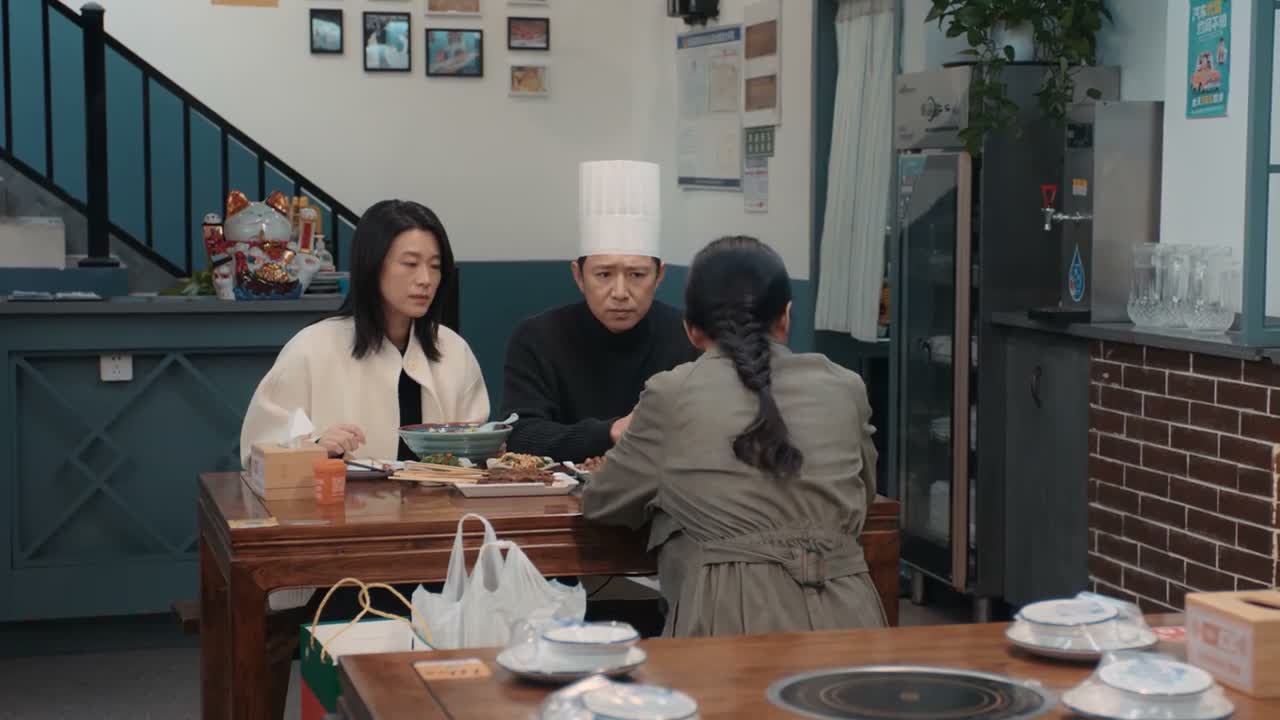
“Why did I have to argue with her?”