这种情况不是开玩笑吗 恢复了
“You can't be serious. He has.”
THE DIALOGUE REEL
不是说身体已经恢复了吗
“I thought you said he'd recovered?”
这种情况 不是开玩笑吗 恢复了
“You can't be serious. He has.”
这就是恢复以后最好的状态 是 最好的状态
“This is as good as it gets for him. Yes. His best?”
“Are you serious? Look at him, this cannot possibly count as recovered.”
Chinese speakers frequently frame objections as negative rhetorical questions ('不是...吗') to emphasize the obvious absurdity of a claim.
LEARNING CHUNKS & PARTICLES
isn't this ridiculous / are you kidding me
A rhetorical question used to reject an absurd statement or unrealistic assessment.
this kind of situation or condition
Commonly used to point to a current observable state, often before criticizing it.
Marks a rhetorical question that expresses strong doubt and challenge rather than a genuine inquiry.
Signals a completed change of state, here quoted with skeptical intonation.
VOCABULARY & EXPRESSIONS
Parallel Spoken Cinema Scenes (语义近邻切片)

“You can't be serious.”

“I was just kidding.”

“You're joking? No.”
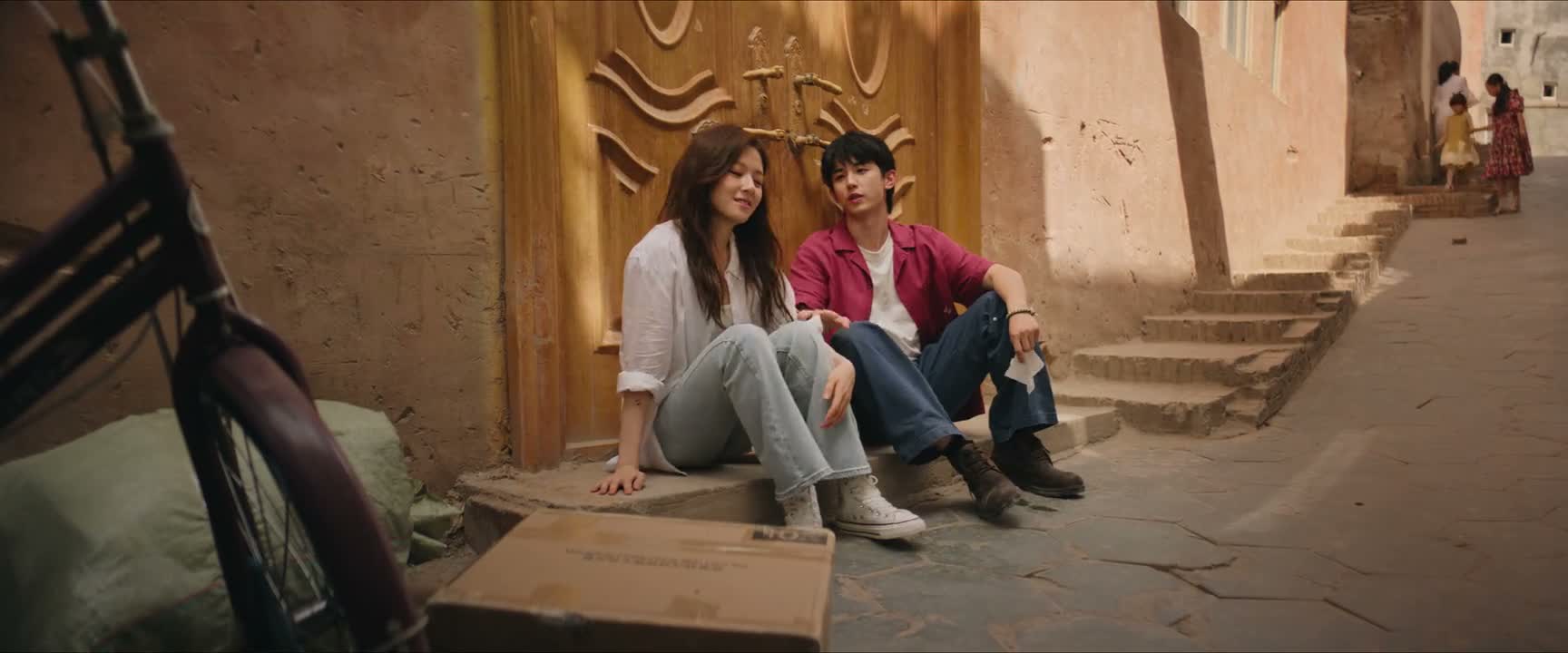
“I was just kidding.”

“Are you joking,”

“You can't use the same trick to tease someone.”