MC
MandarinClips Cinema Corpus
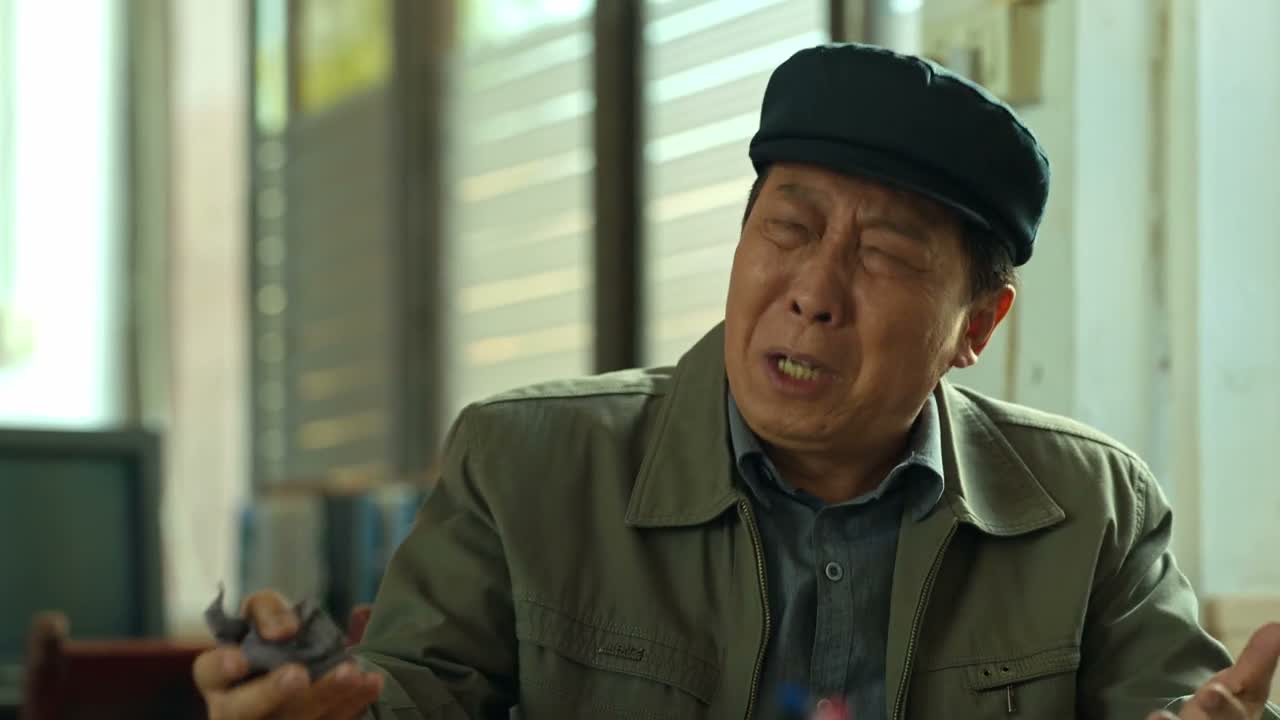
《A Splendid Match》 S1·E14 (25:53) HSK 5
fǎn zhèng yì diǎn zhēng zhào dōu méi yǒu shuō méi jiù méi le

反正一点征兆都没有 说没就没了

“There were no signs at all. She was just gone all of a sudden.”

《A Splendid Match》 S1·E14
TIMECODE: 25:53 · 1080P MASTER AUDIO

THE DIALOGUE REEL

1+1+1 SPOKEN CONTINUITY
[-1] PREVIOUS TURN jù tǐ shén me yuán yīn wǒ hái zhēn bù zhī dào

“I really don't know the exact reason.”

fǎn zhèng yì diǎn zhēng zhào dōu méi yǒu shuō méi jiù méi le CURRENT FOCUS

反正 一点征兆都 没有 说没就没了

“There were no signs at all. She was just gone all of a sudden.”

[+1] FOLLOW-UP TURN nǐ jiě fū hé xián gē ér yǐ jīng qù guò nà biān fǔ lǐ le

你姐夫和贤哥儿 已经去过那边府里了

“Your brother-in-law and Xian have already been to that manor.”

Subtitles synced to millisecond timecode Browse Show Clips →
Scene: Family & Home
Function: RELAYING NEWS
Tone: SOMBER
Emotion: SHOCK
WHAT THEY REALLY MEAN (PRAGMATIC SUBTEXT)

Direct spoken expression in this communicative setting.

💡 Cultural Insight: Euphemistic Death Expressions

Traditional Chinese speakers often avoid explicitly saying 'died' (死), opting instead for soft euphemisms like 'gone' (没了) to soften grief and observe taboos.

INTENT TAGS: #lamenting #reporting #expressing_shock #euphemism
🧩

LEARNING CHUNKS & PARTICLES

2 CHUNKS · 1 PARTICLES
一点征兆都没有 SPOKEN CHUNK

without any prior warning or sign

Used to describe an unexpected event or illness that occurred without any premonition.

说没就没了 SPOKEN CHUNK

gone in the blink of an eye; passed away abruptly

A colloquial euphemism frequently used when speaking of sudden death or sudden disappearance.

Modal Particle「了」 (le) CHANGE OF STATE

Marks a change of state and completion, reinforcing the sudden finality of the loss.
🏮

VOCABULARY & EXPRESSIONS

3 EXPR · 0 GRAMMAR
CROSS-CINEMA CORPUS BOARD · PARALLEL SCENES

Parallel Spoken Cinema Scenes (语义近邻切片)

EXPLORE BY SEMANTIC SIMILARITY
《A Splendid Match》 S1·E14 (25:53) · Authentic Cinema Dialogue Corpus