别打了 别 别
“Stop hitting him! Stop it!”
THE DIALOGUE REEL
“What does that have to do with us?”
别打了 别 别
“Stop hitting him! Stop it!”
Direct spoken expression in this communicative setting.
Bystanders in Chinese society often intercede verbally using frantic repetitions of '别打了' to prevent severe legal or physical consequences.
LEARNING CHUNKS & PARTICLES
stop hitting / stop fighting
The change-of-state particle indicates an urgent command to cease an ongoing violent action.
Signifies cessation of an ongoing action when combined with a negative imperative.
VOCABULARY & EXPRESSIONS
Parallel Spoken Cinema Scenes (语义近邻切片)
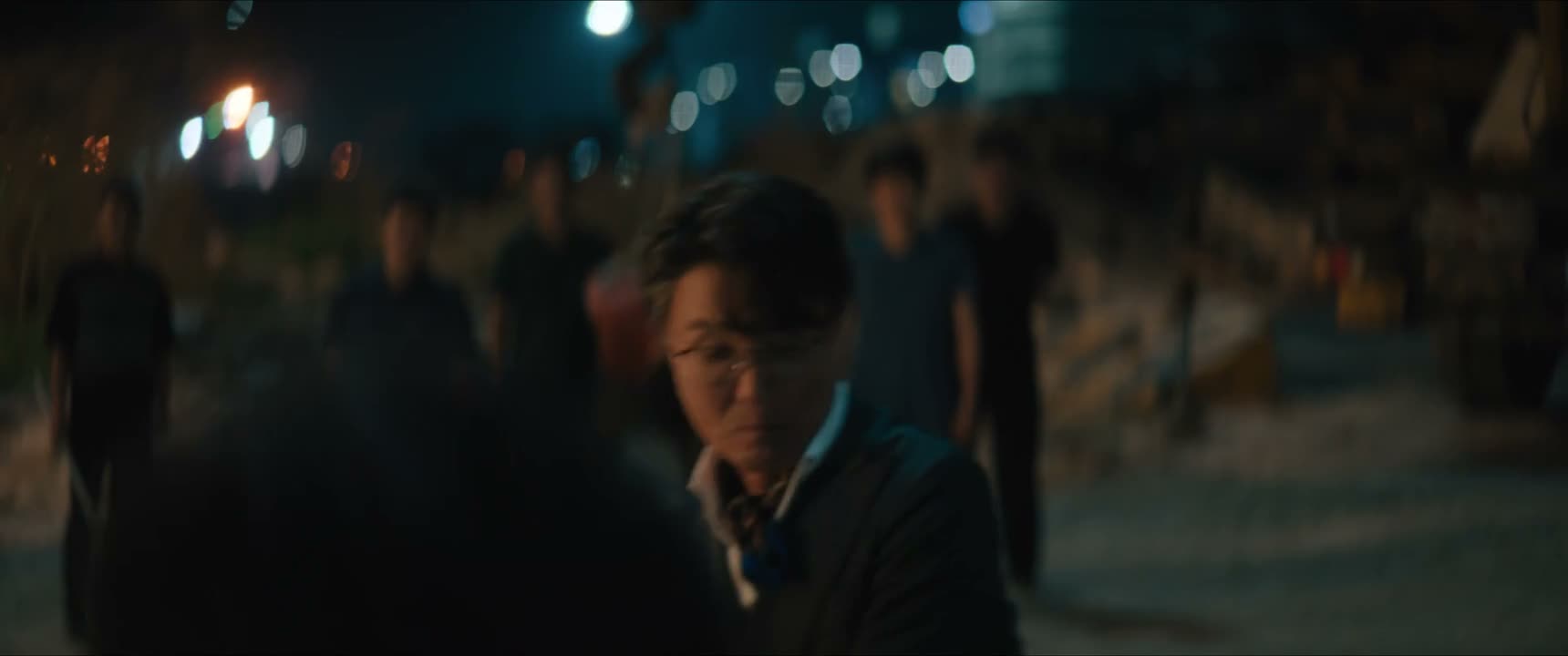
“Stop it! Stop it!”

“They're fighting. No.”
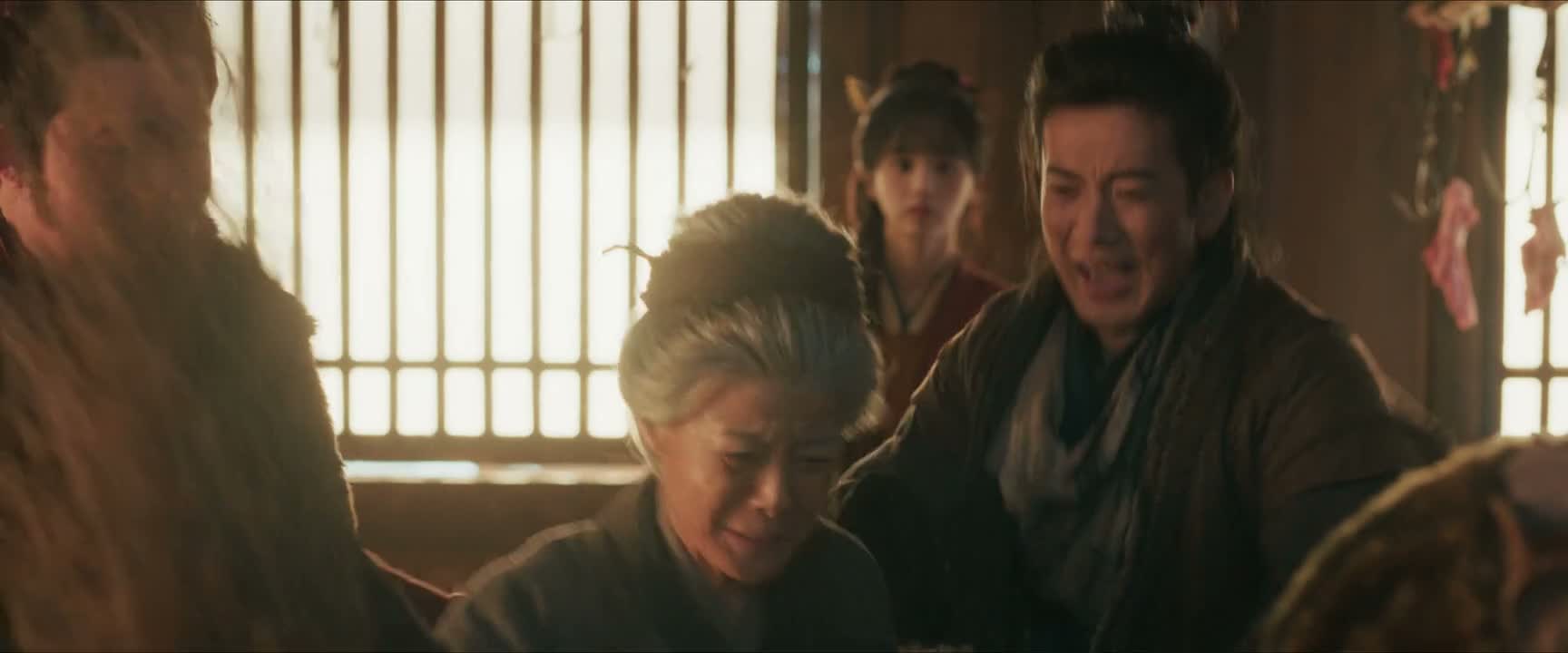
“Stop hitting me, Grandma!”
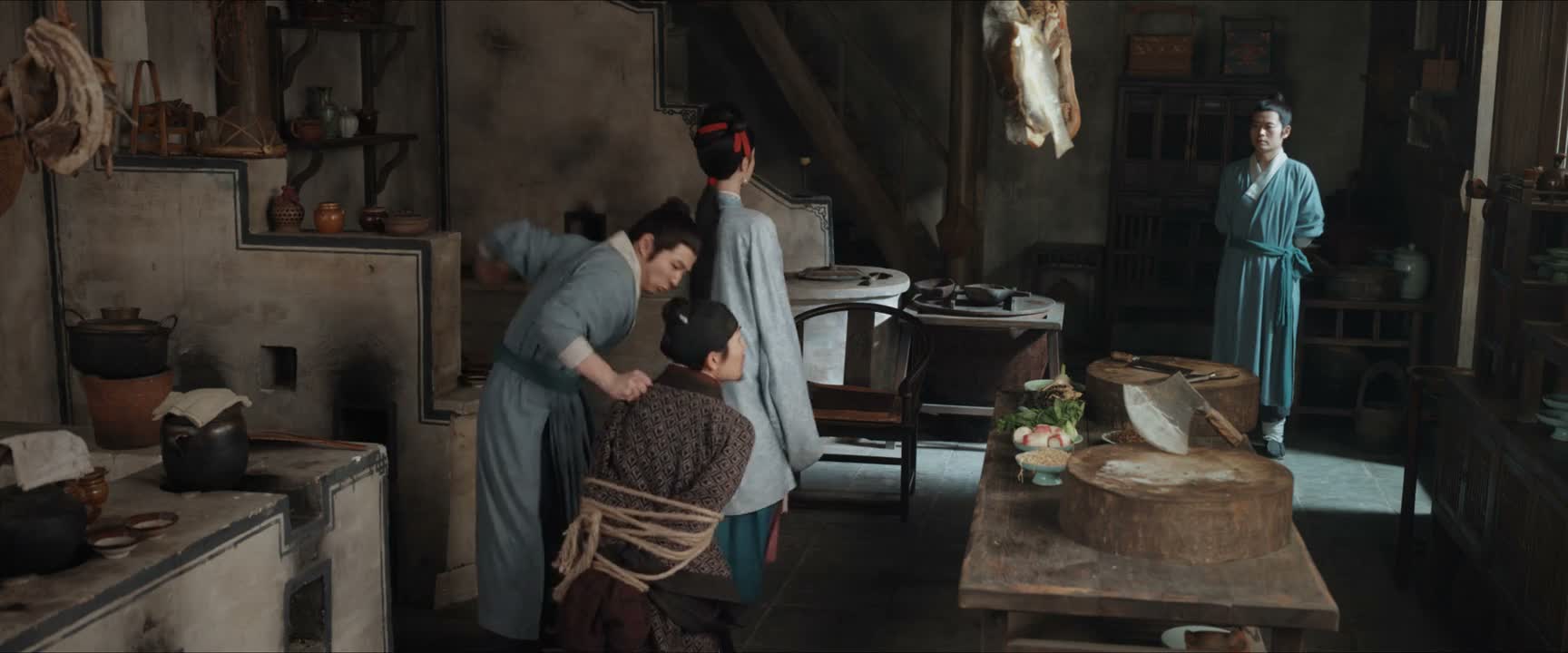
“Chunhua! Stop with the beating! Chunhua!”
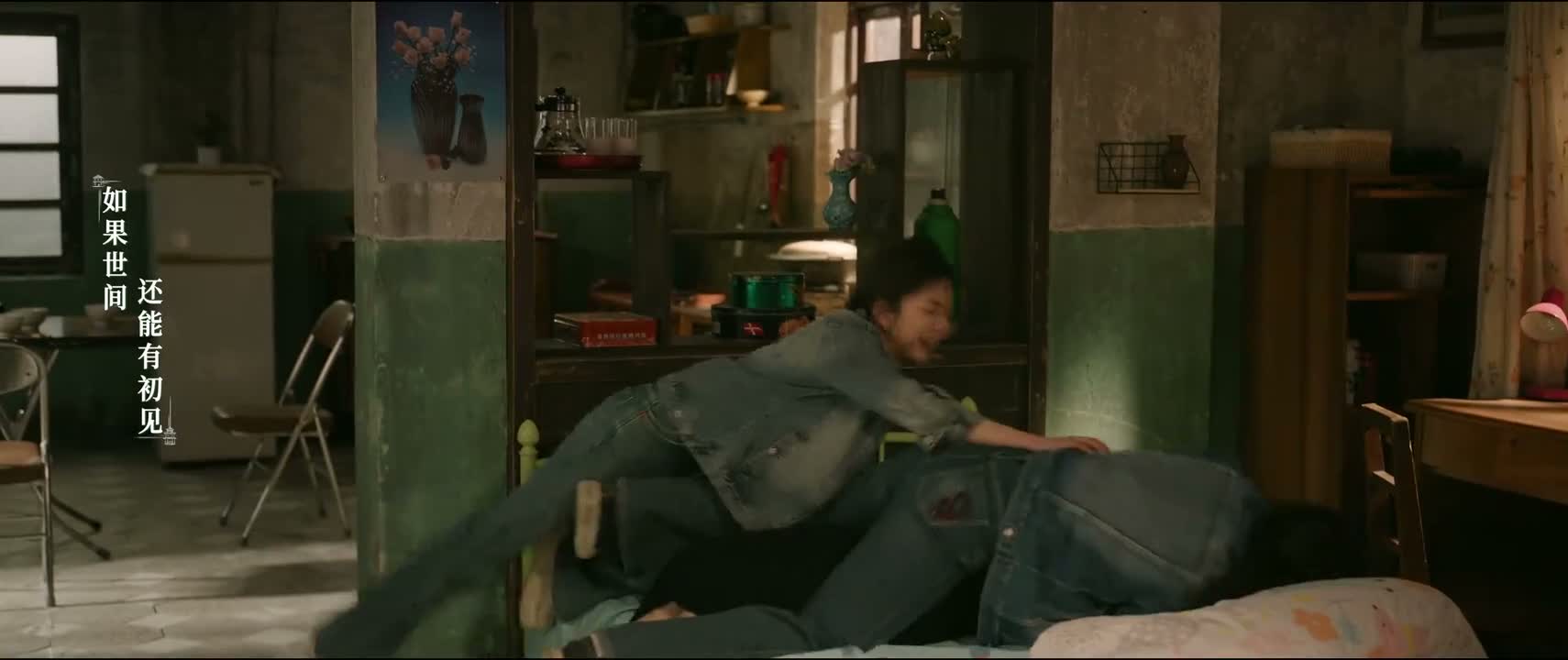
“Stop! Li Juan! Stop!”