可能她生我气了吧
“Maybe she's mad at me.”
THE DIALOGUE REEL
我不知道啊
“I don't know.”
可 能她 生我气了 吧
“Maybe she's mad at me.”
这什么气性啊这是
“What kind of temper is that?”
Direct spoken expression in this communicative setting.
In high-context Chinese communication, people frequently deduce whether others are subtly displeased rather than asking directly.
LEARNING CHUNKS & PARTICLES
to be mad/angry at someone
A standard separable verb pattern used to express that one person is holding a grudge or upset with another.
maybe/perhaps... already
Used together to offer a soft, tentative hypothesis about a completed state or change.
Softens the assertion, indicating a guess or speculative deduction.
Indicates a newly formed change of state (becoming angry).
VOCABULARY & EXPRESSIONS
Parallel Spoken Cinema Scenes (语义近邻切片)

“is Chu Chu very angry with me?”

“Are you still mad at me?”
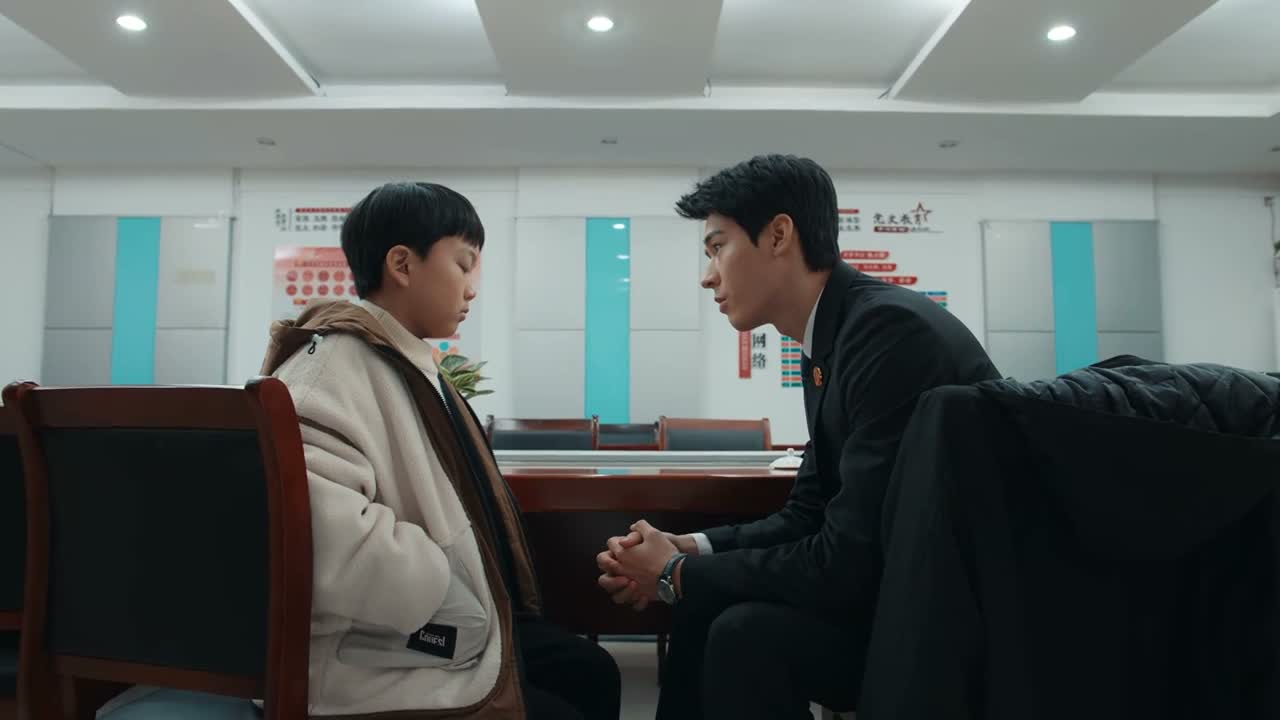
“because you're angry with your sister.”

“Are you very angry with me?”

“I was actually angry at myself.”
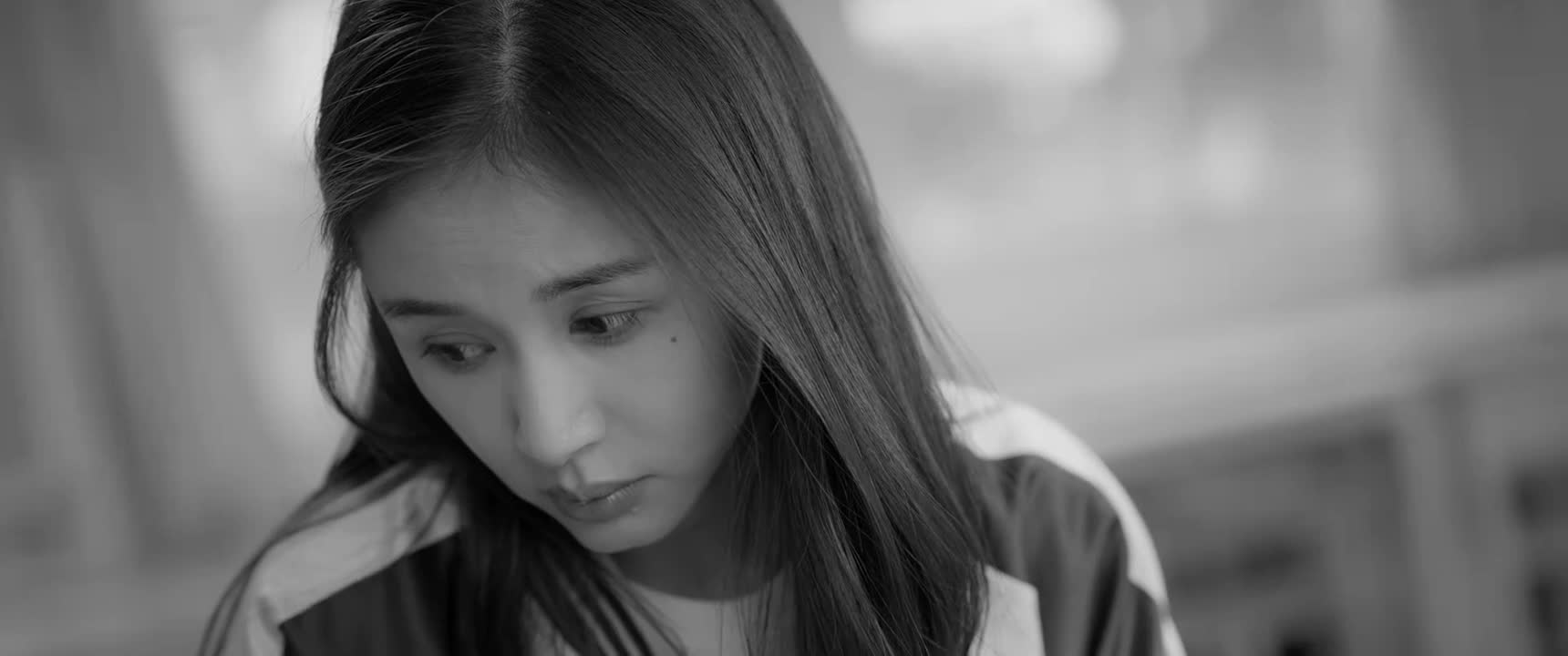
“I must've made him upset somehow.”