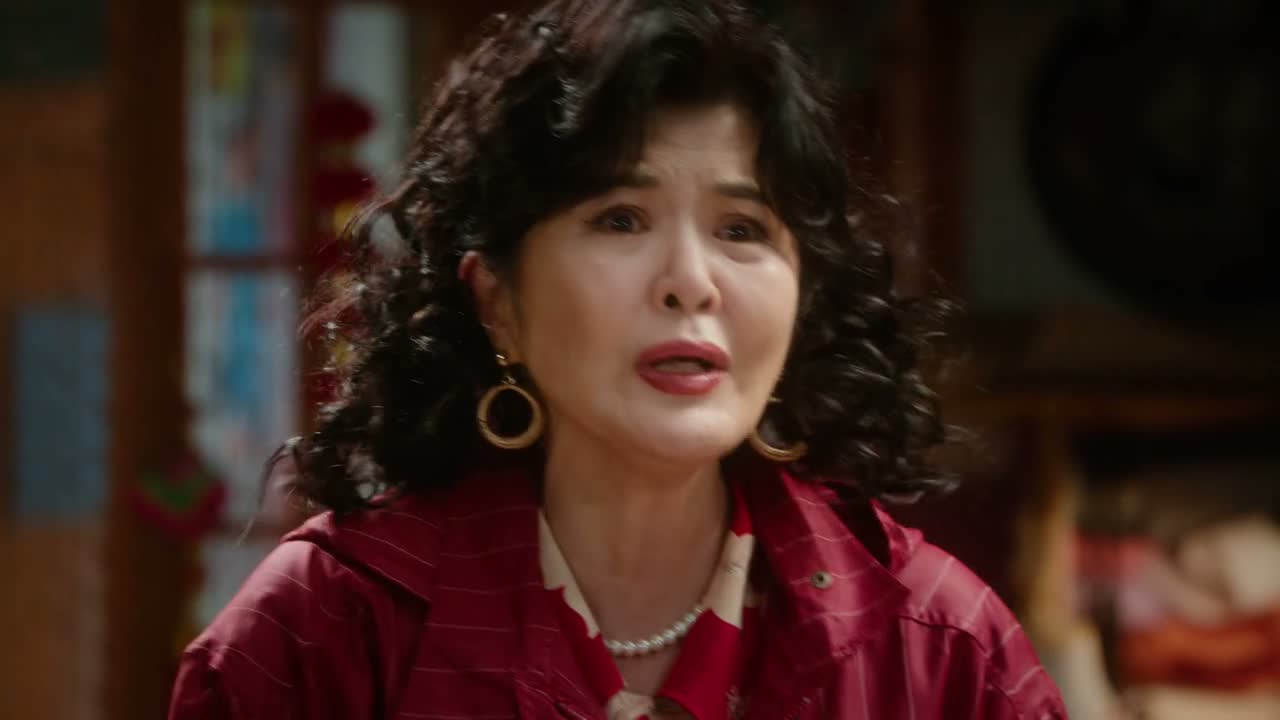
《Generation to Generation》 S1·E33 (04:31)
HSK 3
gàn má dài zhè me duō lǐ wù a
干吗带这么多礼物啊
“why bring so many gifts?”
《Generation to Generation》
S1·E33
TIMECODE: 04:31
·
1080P MASTER AUDIO
THE DIALOGUE REEL
[-1] PREVIOUS TURN
shǎo jūn
少君
“Mr. Mu,”
gàn má dài zhè me duō lǐ wù a
CURRENT FOCUS
干吗 带这么多礼物 啊
“why bring so many gifts?”
[+1] FOLLOW-UP TURN
wǎn bèi dì yī cì lái luò yīng gǔ
晚辈第一次来落英谷
“It's my first visit.”
Subtitles synced to millisecond timecode
Browse Show Clips →
Scene:
Historical & Court
Function:
POLITE FEIGNED PROTEST
Tone:
WELCOMING
Emotion:
GRATITUDE
WHAT THEY REALLY MEAN (PRAGMATIC SUBTEXT)
“You really didn't need to bring so much, but I appreciate your thoughtfulness.”
💡 Cultural Insight: Gift-giving Etiquette (Ke Qi)
In Chinese culture, hosts customarily complain that guests brought too many gifts to display modesty and relieve social indebtedness.
INTENT TAGS:
#hospitality
#polite protest
#courtesy
#welcoming
🧩
2 CHUNKS · 1 PARTICLES
LEARNING CHUNKS & PARTICLES
干吗
SPOKEN CHUNK
why; what for
A colloquial question word used in spoken Chinese to ask why someone did something, often softening a protest.
带这么多礼物
SPOKEN CHUNK
bring so many gifts
A common formula used by hosts to politely acknowledge and receive gifts from visitors.
Modal Particle「啊」 (a)
CHANGE OF STATE
Softens the rhetorical question into a friendly, hospitable exclamation.
🏮
2 EXPR · 4 GRAMMAR
VOCABULARY & EXPRESSIONS
CROSS-CINEMA CORPUS BOARD · PARALLEL SCENES
EXPLORE BY SEMANTIC SIMILARITY
Parallel Spoken Cinema Scenes (语义近邻切片)

《Generation to Generation》 S1·E33 (04:31) · Authentic Cinema Dialogue Corpus