景东自惭形秽
“Deeply ashamed of myself,”
THE DIALOGUE REEL
有愧先父
“and my late father.”
景东 自惭形秽
“Deeply ashamed of myself,”
Direct spoken expression in this communicative setting.
In classical Chinese culture, failing family expectations or moral duties leads to acute self-reproach, often expressed via self-deprecating idioms to show genuine remorse.
LEARNING CHUNKS & PARTICLES
to feel inferior or ashamed of one's own deficiencies compared to others
A sophisticated four-character idiom used in formal or literary contexts to convey deep personal unworthiness or humility.
VOCABULARY & EXPRESSIONS
Parallel Spoken Cinema Scenes (语义近邻切片)
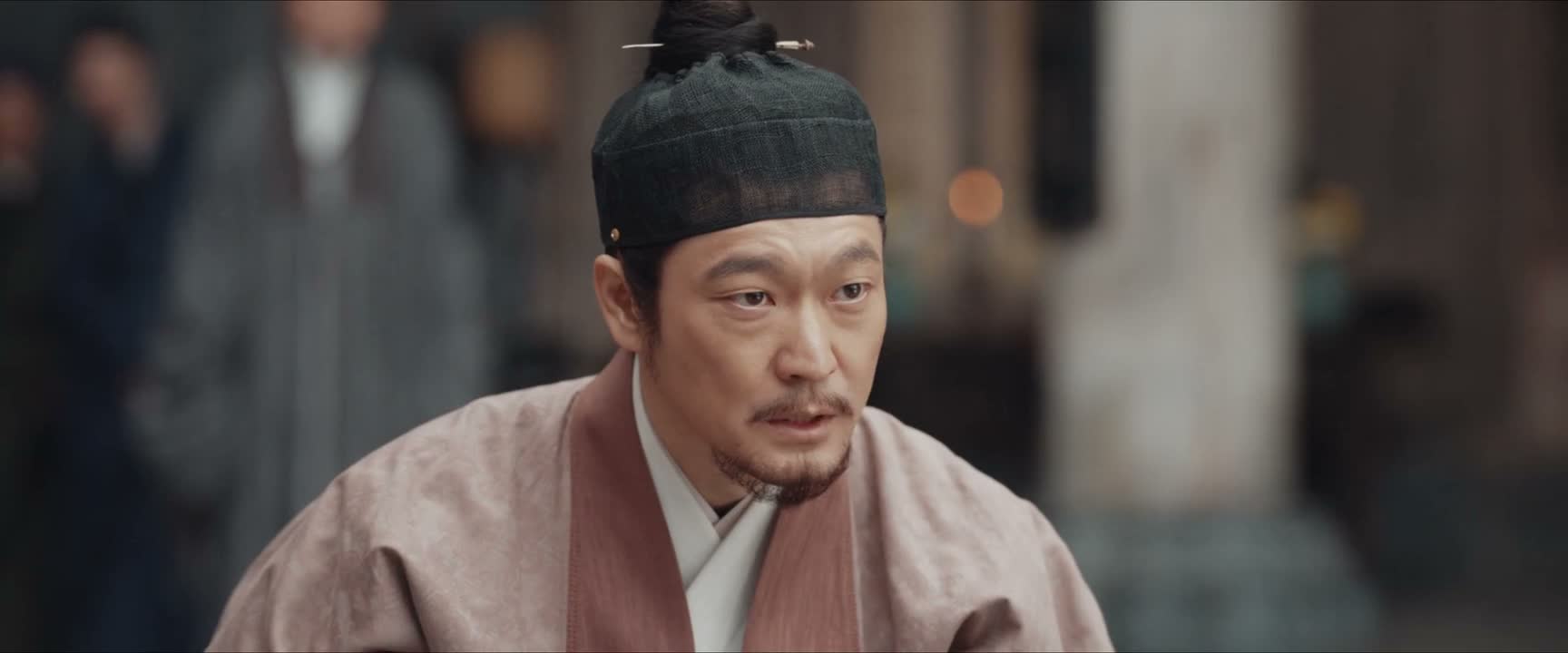
“I have a clear conscience.”

“Jingdong can't take any more stress.”
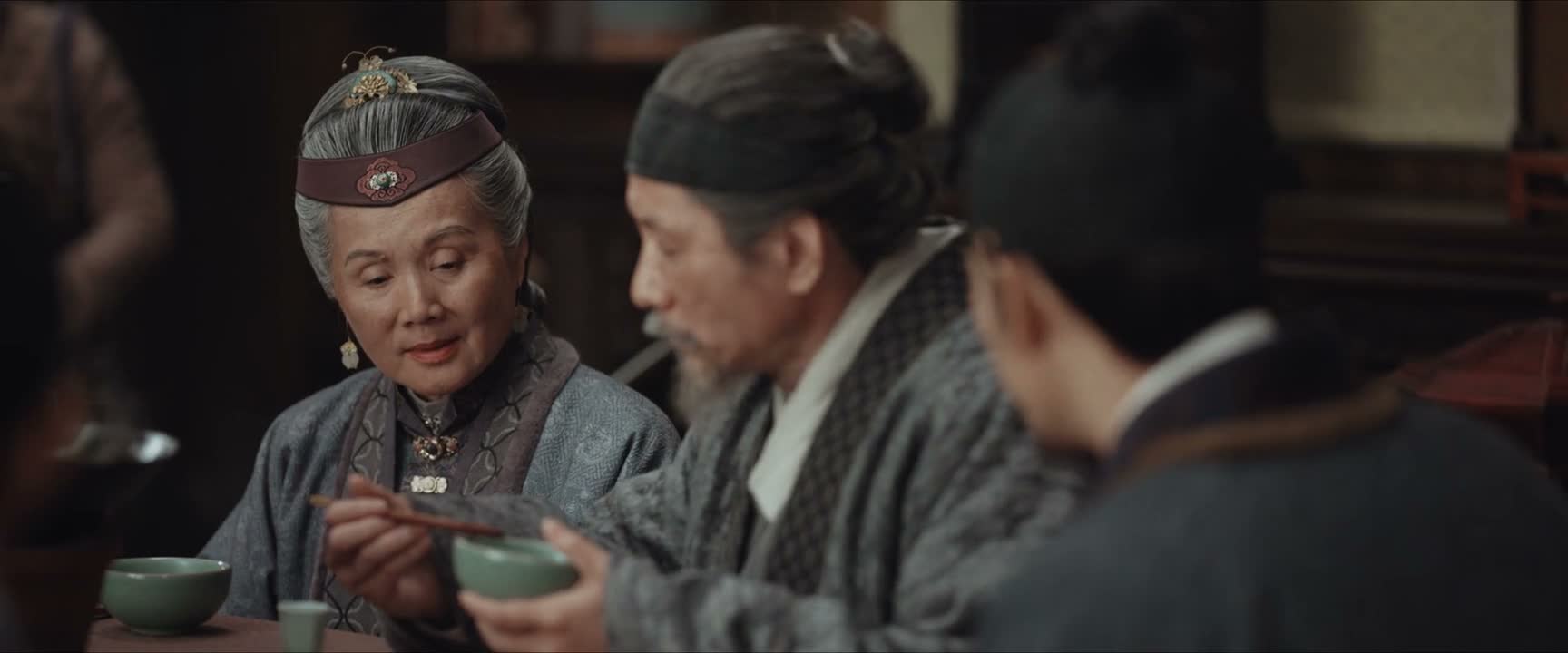
“Now that Jingdong's come to terms with it,”
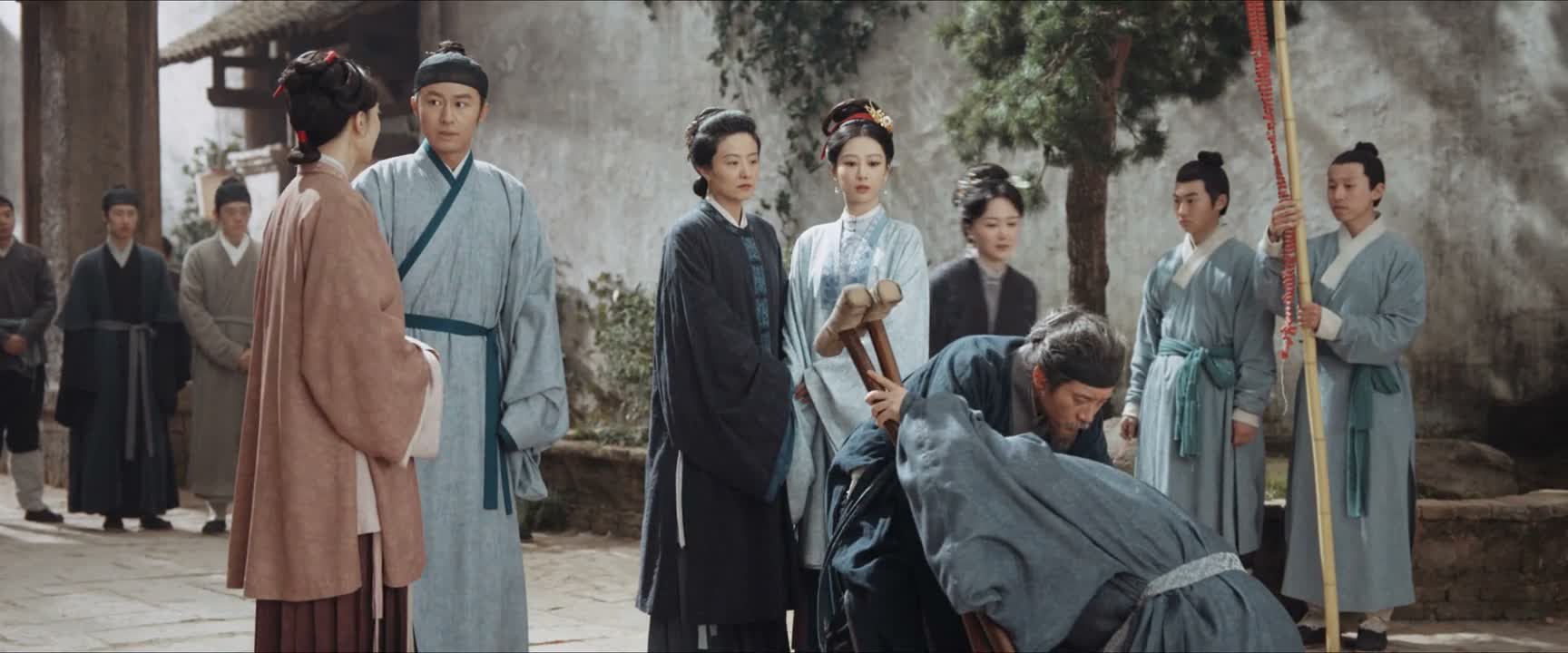
“Jingdong, it's all in the past.”
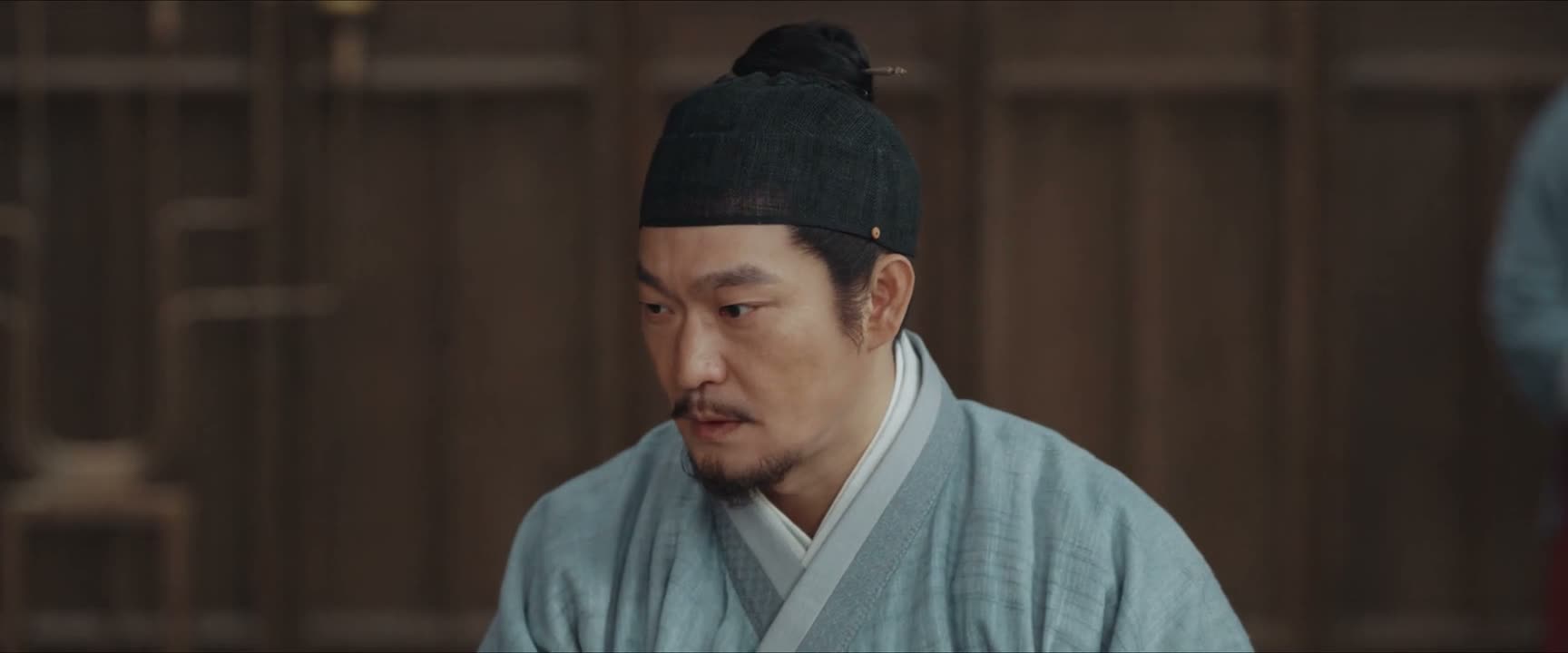
“I am indeed disappointed by my son's failure.”

“Jingdong is making a fuss. Are you joining him now?”