实在是没有办法
“like that in the past.”
THE DIALOGUE REEL
当初那么对你
“we had no choice but to treat you”
实在是没有办法
“like that in the past.”
让你受委屈了
“We're sorry to have upset you.”
“Please don't hold a grudge; my hands were completely tied.”
When apologizing for past wrongs in Chinese interpersonal relationships, invoking unavoidable circumstances (meiyou banfa) is a standard strategy to preserve dignity and elicit empathy.
LEARNING CHUNKS & PARTICLES
have no choice; there is no way out
Extremely frequent everyday expression used to convey complete lack of alternatives or personal helplessness.
there really was no...
Using 'shizai shi' before a negative emphasizes the utter impossibility or genuineness of the situation.
VOCABULARY & EXPRESSIONS
Parallel Spoken Cinema Scenes (语义近邻切片)
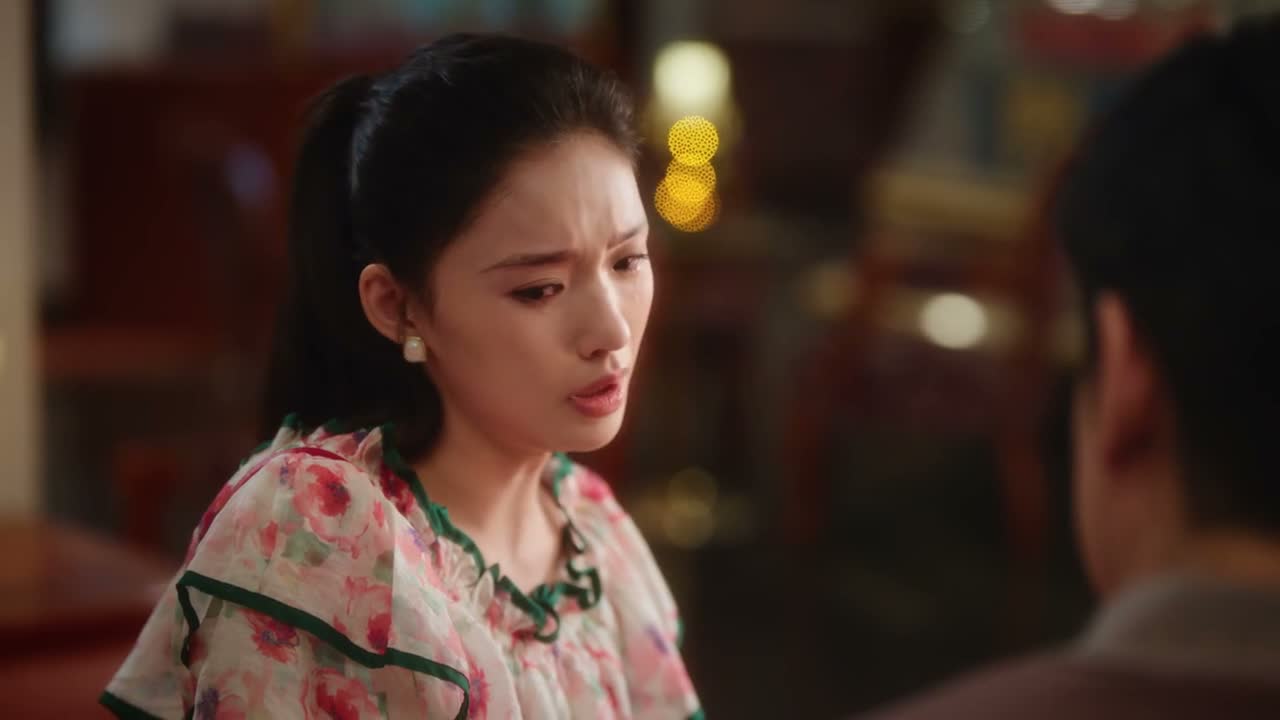
“I really have no choice.”

“I really have no other option.”
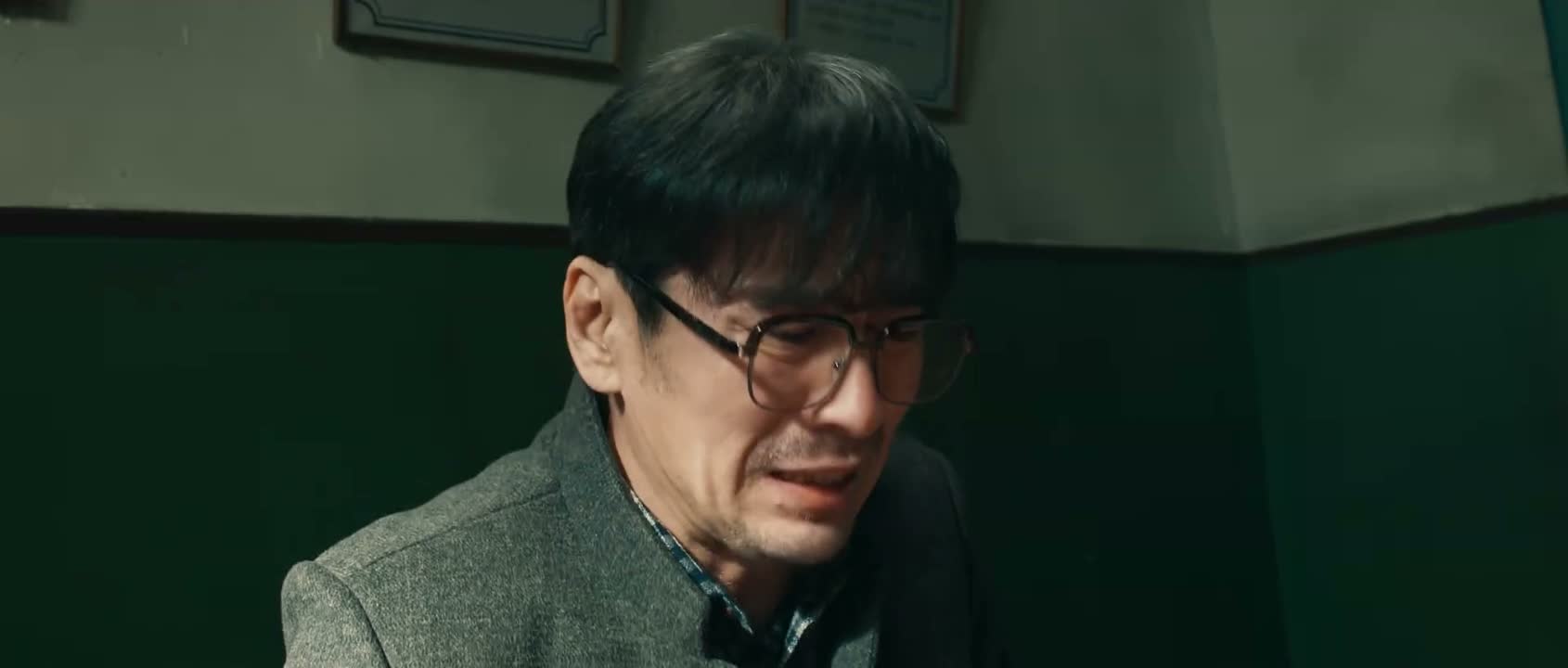
“I had no other choice, so I thought I'd go away to hide for a bit.”

“but I don't have a choice.”

“But I didn't have any other option then.”
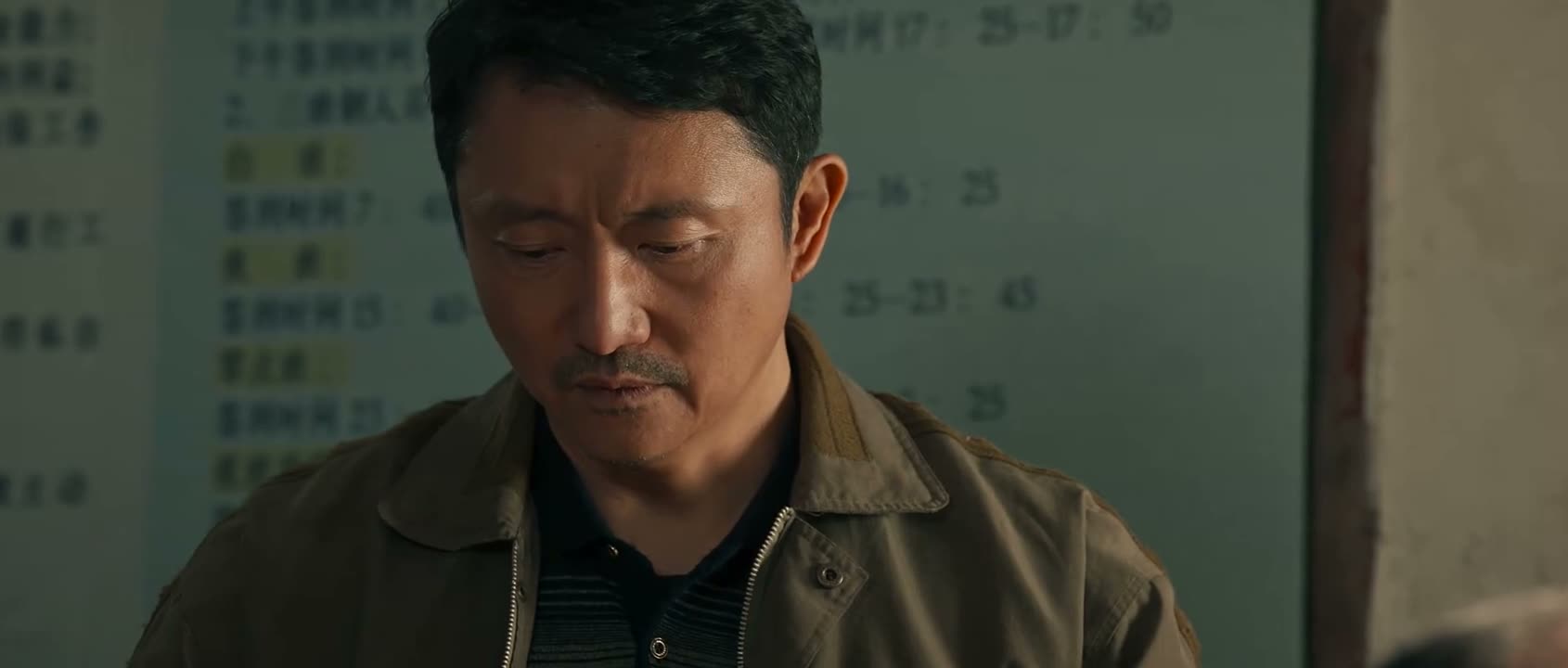
“There's really nothing we can do.”

“the maternity records you want.”

“Is there really nothing we can do?”