那什么 你们慢慢看 我先走了
“Well, take your time looking. I'll take my leave.”
THE DIALOGUE REEL
那什么 你们慢慢看 我先走了
“Well, take your time looking. I'll take my leave.”
您知道
“Do you know”
“This conversation is getting weird, and I need to get out of here right now.”
Using courtesies like 'take your time' allows a speaker in Chinese culture to leave an awkward situation gracefully without bluntly declaring discomfort.
LEARNING CHUNKS & PARTICLES
well; uh; so anyway
A very common colloquial filler used to pivot the conversation, buy time, or initiate an awkward topic change.
take your time looking / browsing
A courteous conventional phrase used to excuse oneself while allowing others to continue their activity.
I'm heading out first / I'll take my leave
Standard polite formula to announce one's departure in social settings.
Marks the imminent change of state and readiness to depart immediately.
VOCABULARY & EXPRESSIONS
Parallel Spoken Cinema Scenes (语义近邻切片)
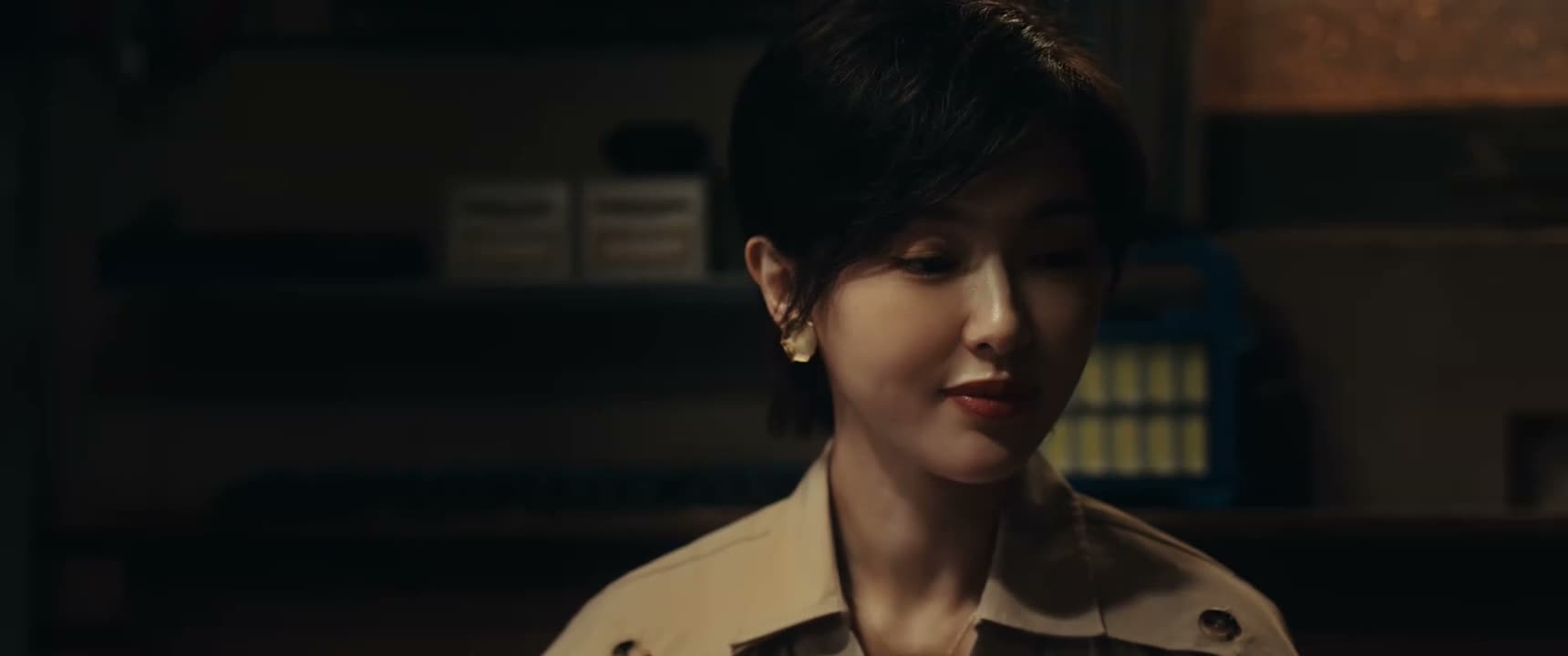
“Enjoy your food. I'm heading out.”

“Take your time. I'm taking off.”

“I'm leaving now.”

“I'm off then.”
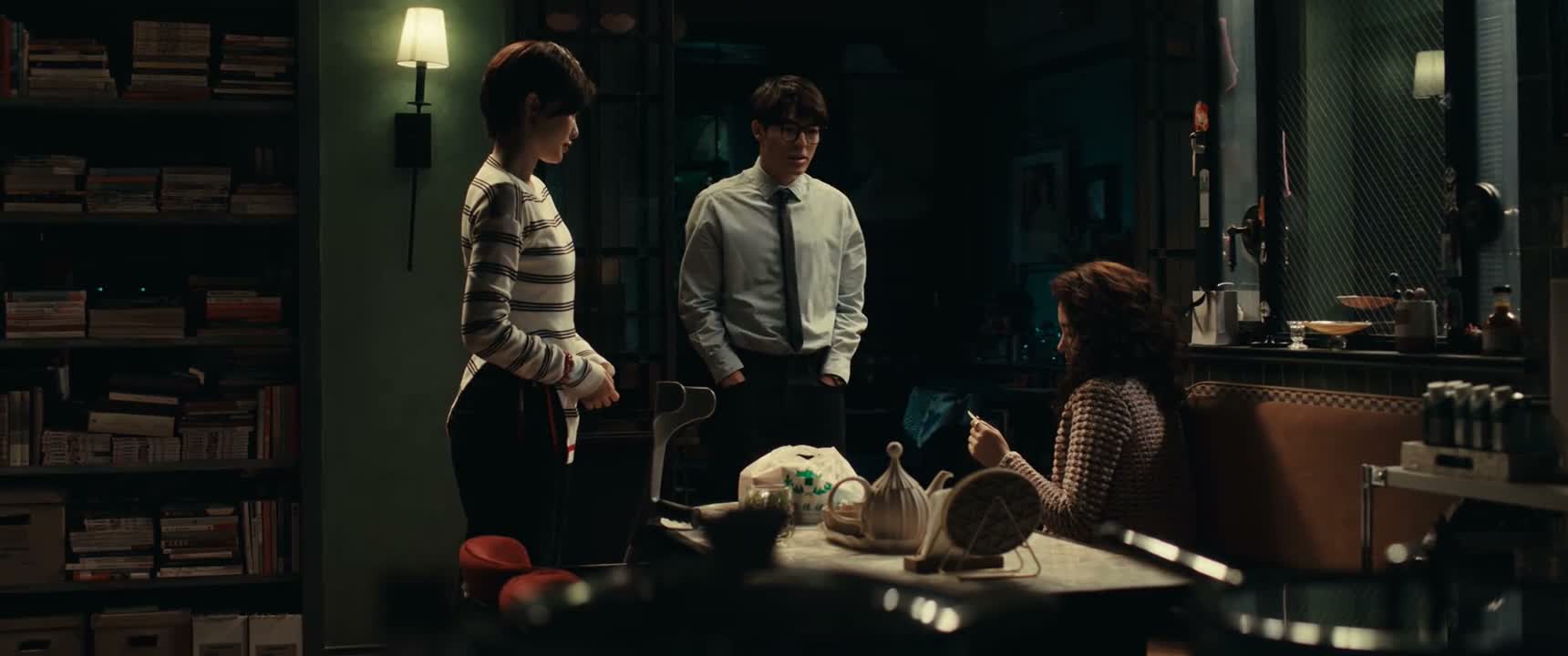
“I'm leaving. You two get some rest.”

“Well, I-I-I'll get going then. Why are you looking for him?”