民女多有失态 还请殿下恕罪
“Pardon me for that rude behavior, Your Highness.”
THE DIALOGUE REEL
才能从容地走至她身后出手
“a chance to calmly pace to her back and attack.”
民女 多有失态 还请殿下 恕罪
“Pardon me for that rude behavior, Your Highness.”
既已你我相称
“You already called me "you" once.”
Direct spoken expression in this communicative setting.
Referring to oneself as '民女' lowers one's status intentionally before royalty to acknowledge social boundaries and preempt punishment.
LEARNING CHUNKS & PARTICLES
to lose one's composure; to commit an etiquette faux pas
A formal, elevated expression used to apologize for emotional outbursts or breaches of decorum.
kindly forgive my offense
A highly deferential fixed phrase used in historical and polite formal registers when asking superiors for pardon.
VOCABULARY & EXPRESSIONS
Parallel Spoken Cinema Scenes (语义近邻切片)

“I was just joking. Please don't take it seriously.”
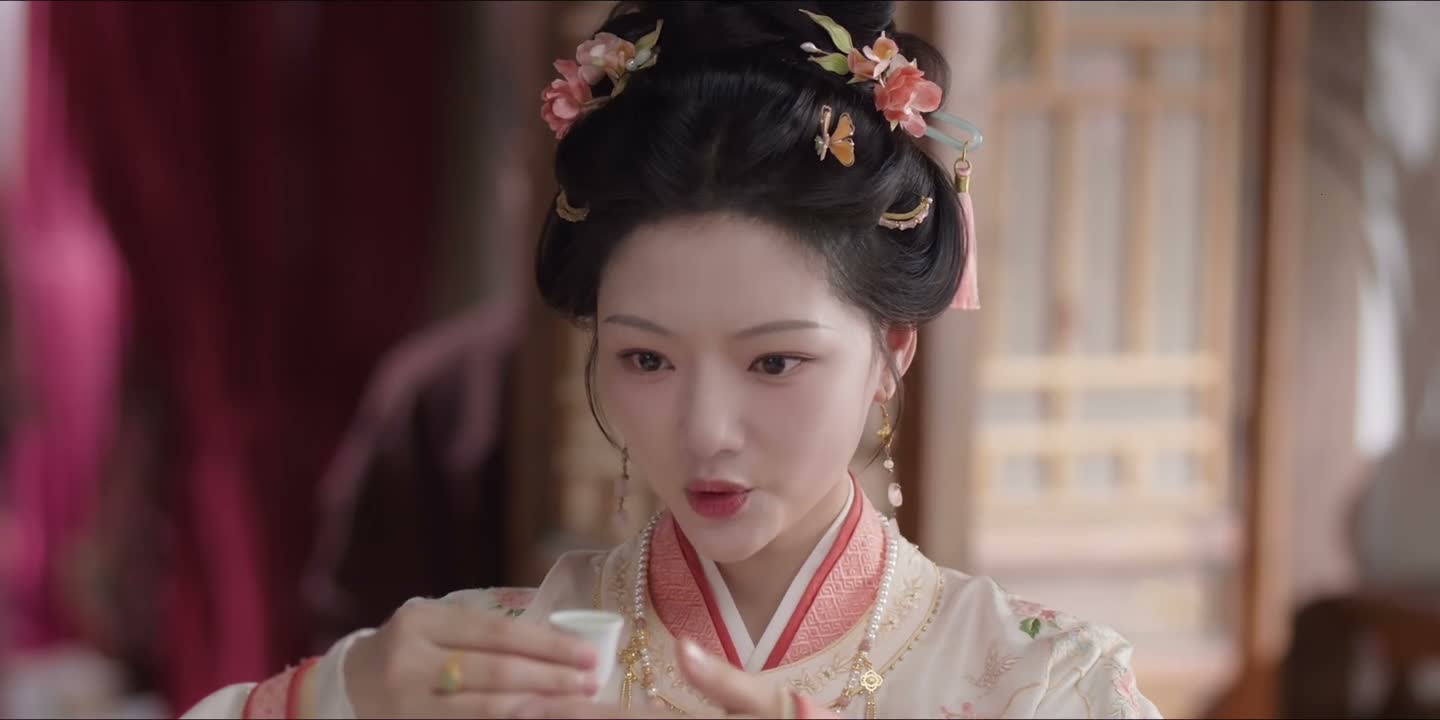
“I should... -drink a penalty cup. -Wait.”
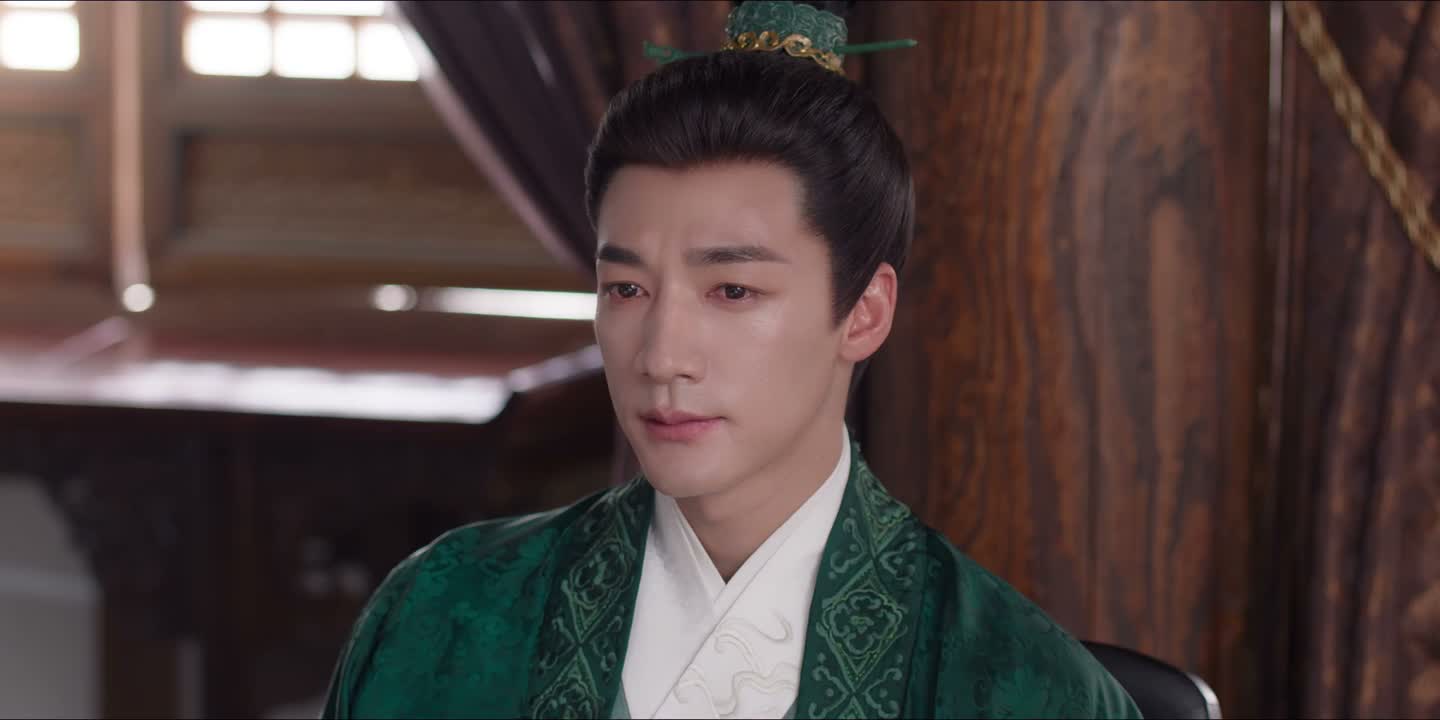
“It was my negligence. How can punishing myself with one cup be enough?”
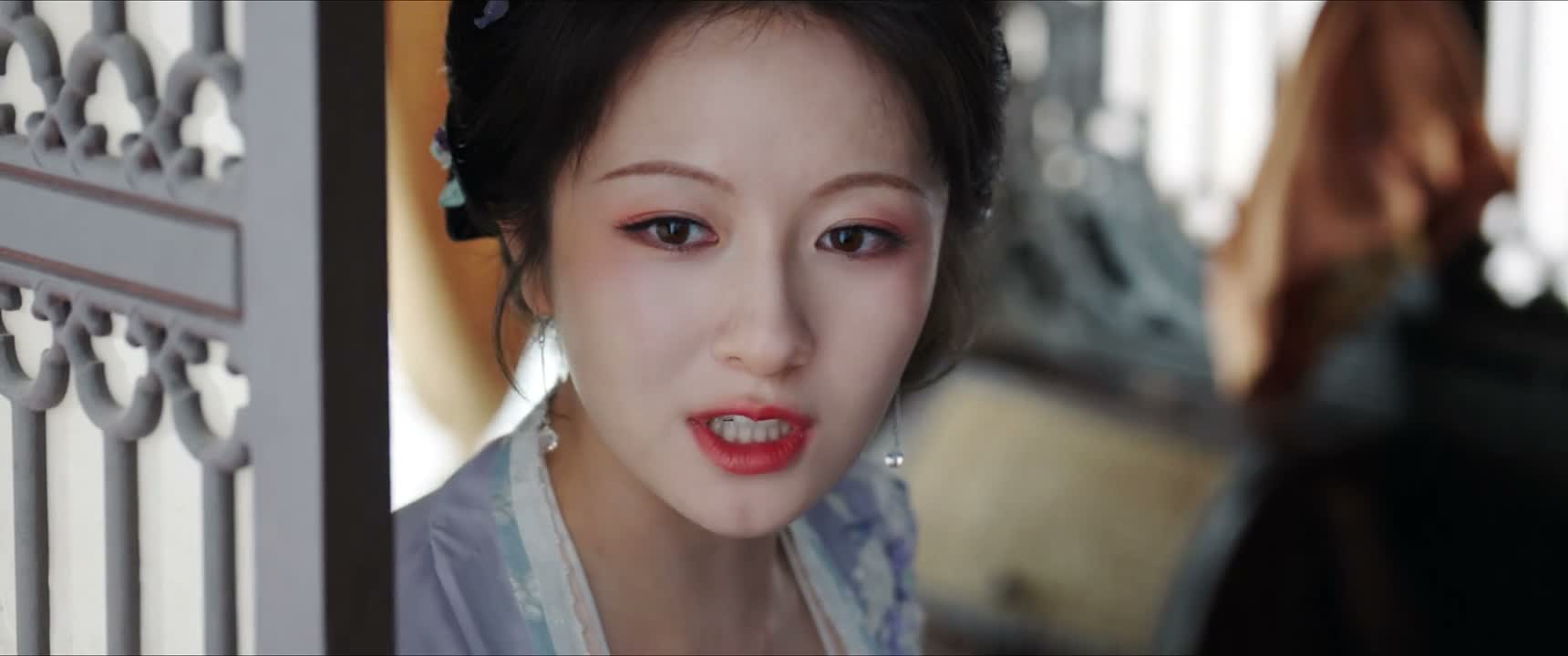
“I really can't bear to return it,”
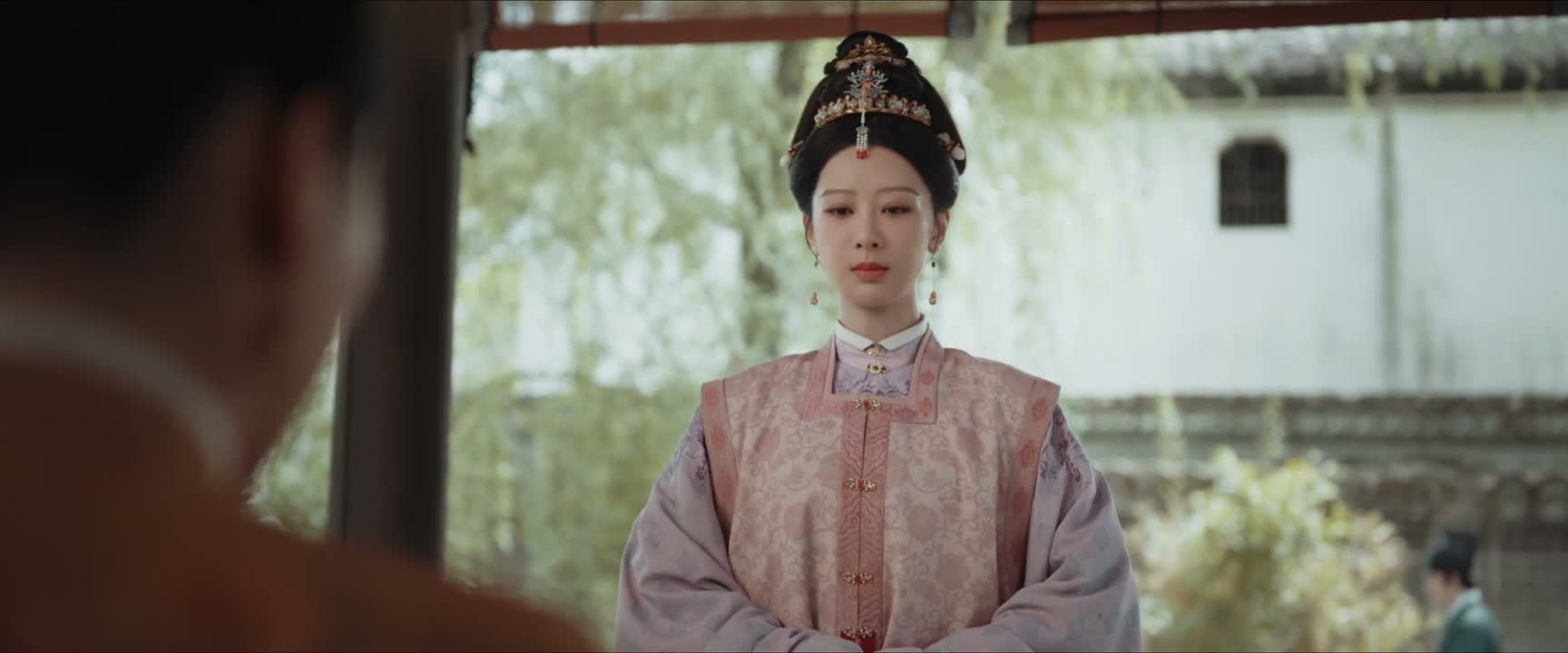
“I wouldn't dare to deceive you, Your Highness.”

“I naturally believe the Prefect is clear-sighted”