用得着你买呀 显着你了
“Who needs you to buy it? Trying to show off?”
THE DIALOGUE REEL
等我以后长大了 给你买个更好看的手机
“When I grow up, I'll buy you a better phone.”
用得着你 买呀 显着你了
“Who needs you to buy it? Trying to show off?”
以后你就是一个人了
“From now on, you'll be on your own.”
“You are sweet, but you don't need to worry about providing for me—just focus on growing up.”
Chinese elders or family members often express deep affection and appreciation through feigned annoyance or teasing rather than direct praise.
LEARNING CHUNKS & PARTICLES
there is a need to / to warrant
Commonly used in rhetorical questions to emphasize that an action is unnecessary.
Look at you showing off / as if only you can do it
A colloquial northern expression used to tease someone who is trying to act capable, generous, or prominent.
Softens the rhetorical question into playful teasing rather than genuine rebuke.
Marks the resulting state and emphasizes the playful exclamation.
VOCABULARY & EXPRESSIONS
Parallel Spoken Cinema Scenes (语义近邻切片)
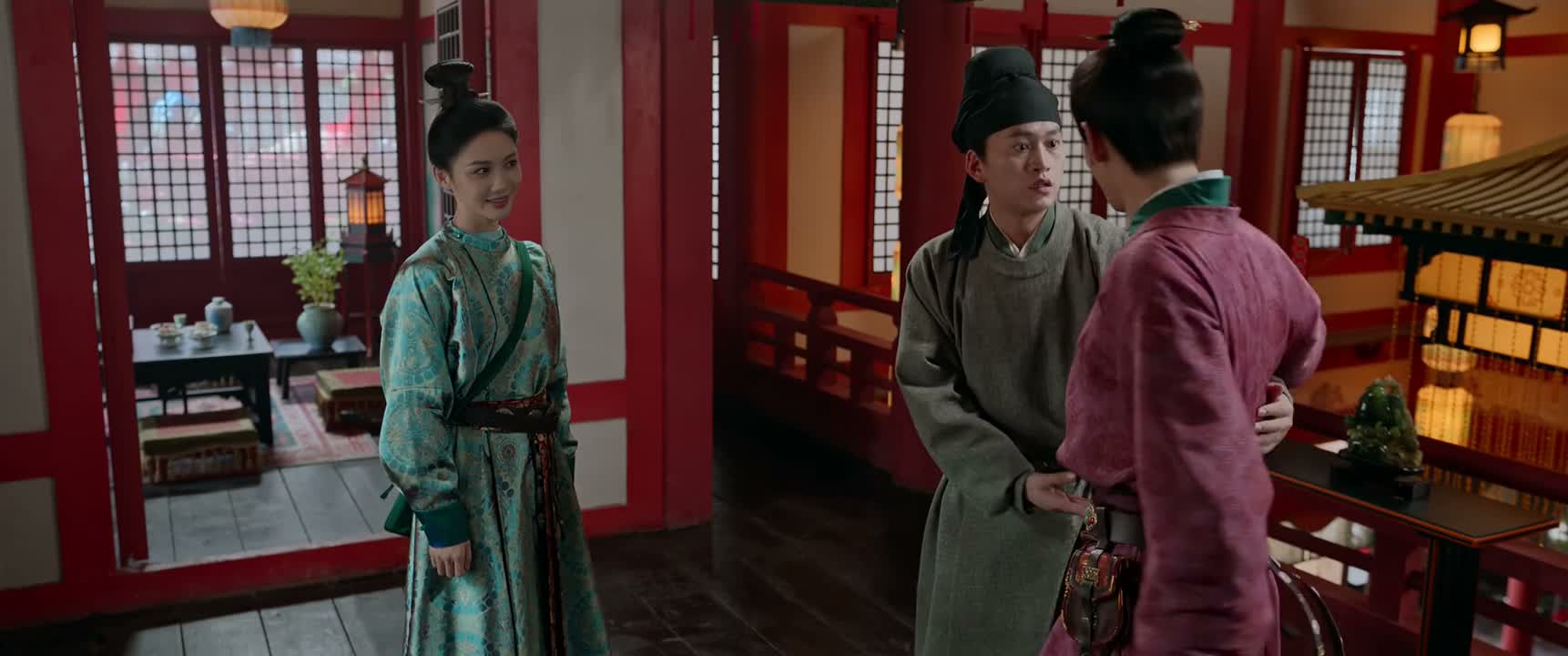
“Do I need you to hold me up?”

“when it's absolutely necessary, huh?”

“I said we don't need you to do the math. Do you hear me?”
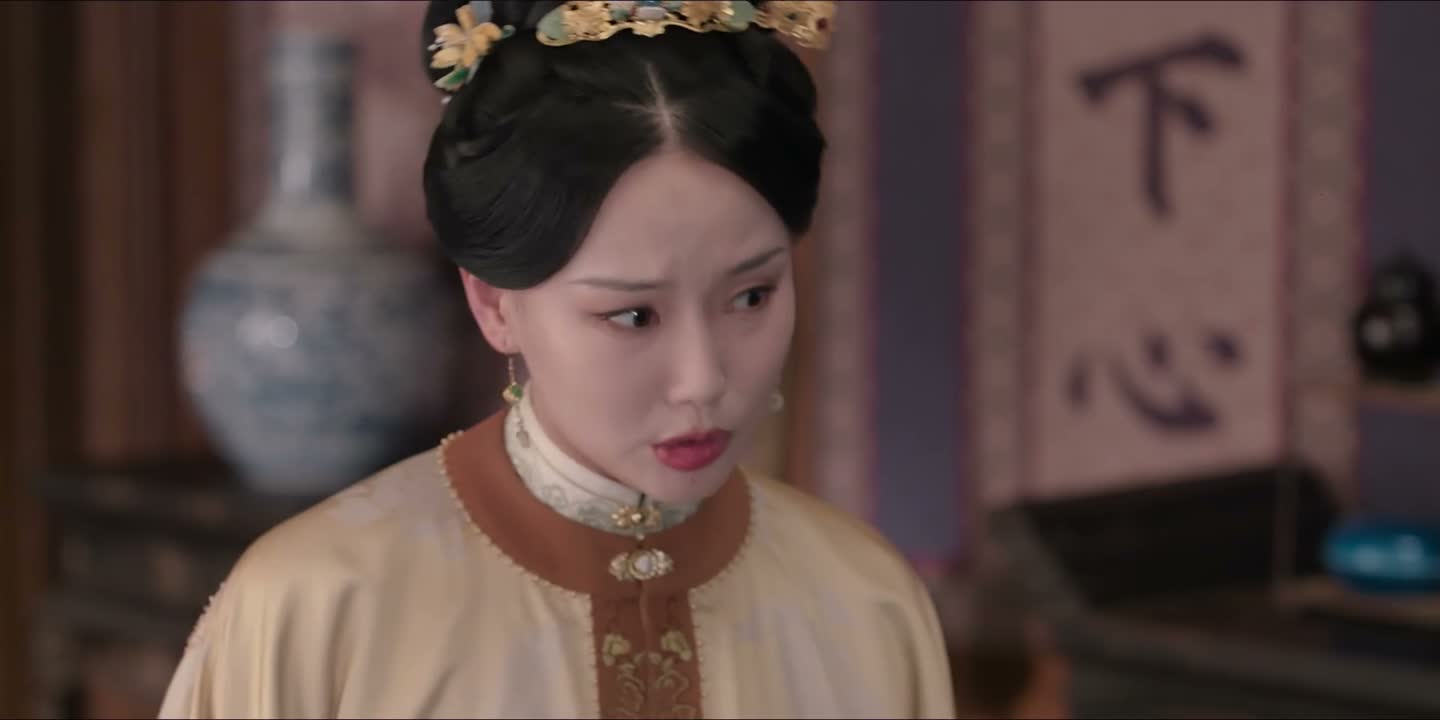
“When you needed me, I was your darling.”
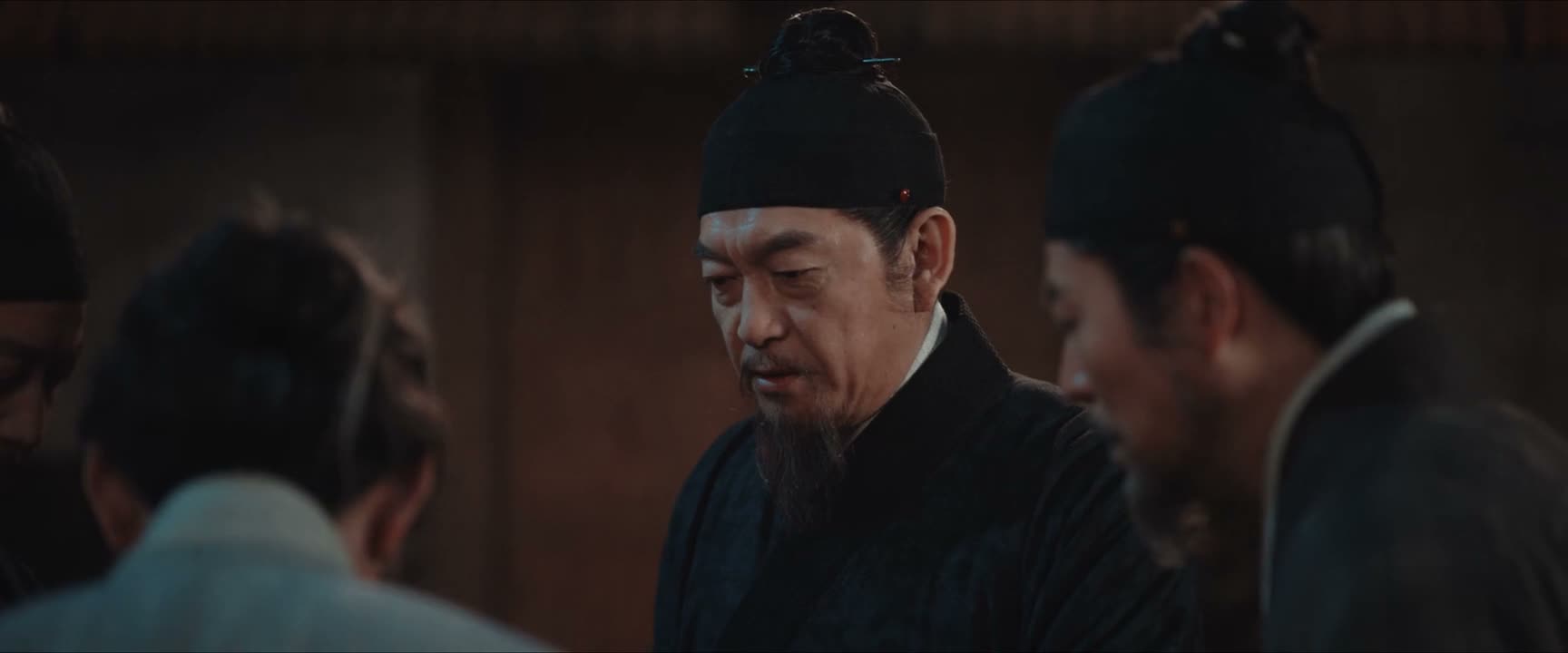
“they can come in handy. They're valuable items.”
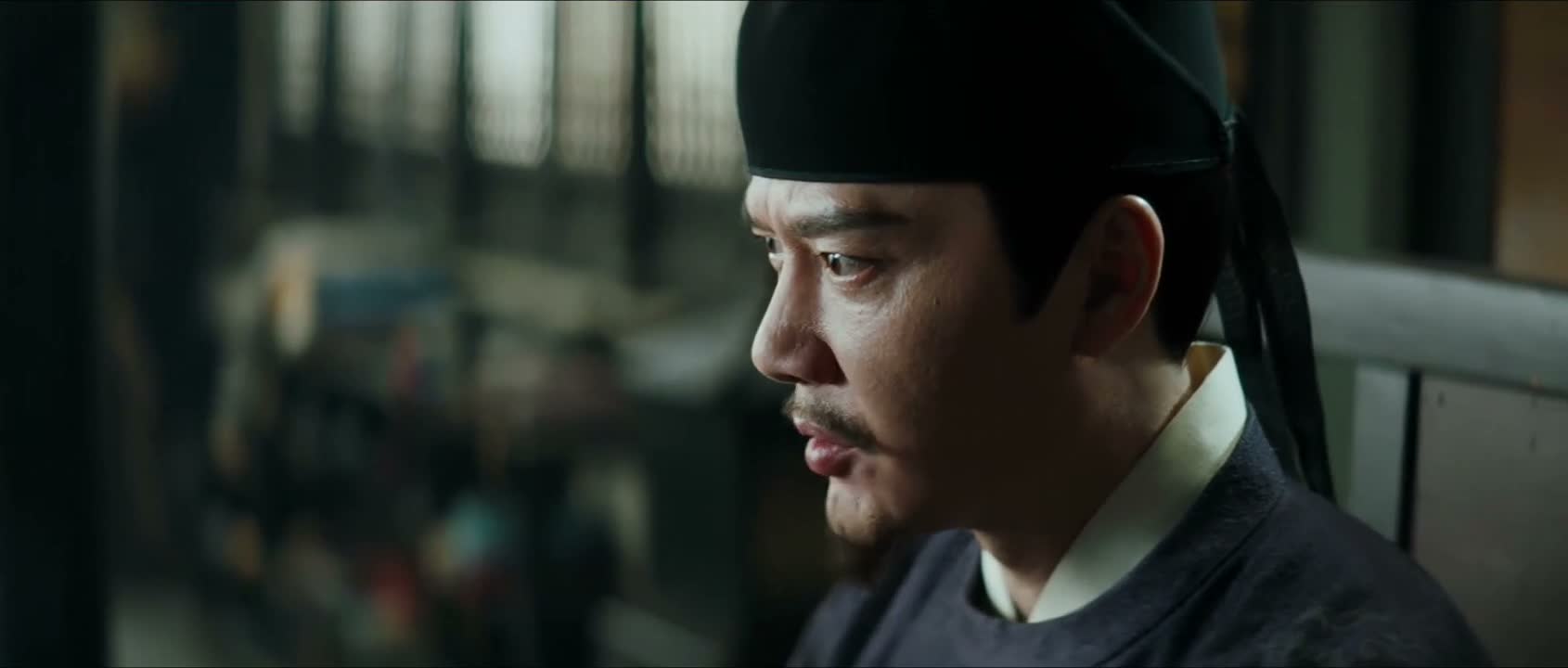
“matches the exact batch you bought.”