可北舟不是个男人吗
“But isn't Bei Zhou supposed to be a man?”
THE DIALOGUE REEL
我在此地的
“I was here?”
可北舟 不是个男人 吗
“But isn't Bei Zhou supposed to be a man?”
北
“Bei...”
“Wait, that doesn't make sense if Beizhou is a guy.”
In Chinese, using negative rhetorical questions ('不是……吗') is a standard way to express perplexity or nudge an interlocutor to reconcile conflicting information.
LEARNING CHUNKS & PARTICLES
isn't it...?; aren't they...?
A rhetorical question pattern used to prompt confirmation or challenge a contradictory claim.
Turns the statement into a rhetorical question expressing doubt and prompting verification.
VOCABULARY & EXPRESSIONS
Parallel Spoken Cinema Scenes (语义近邻切片)

“You might as well just write "Bei Zhou is useful" on your forehead.”

“Bei Zhou is the strongest fighter in the original story,”
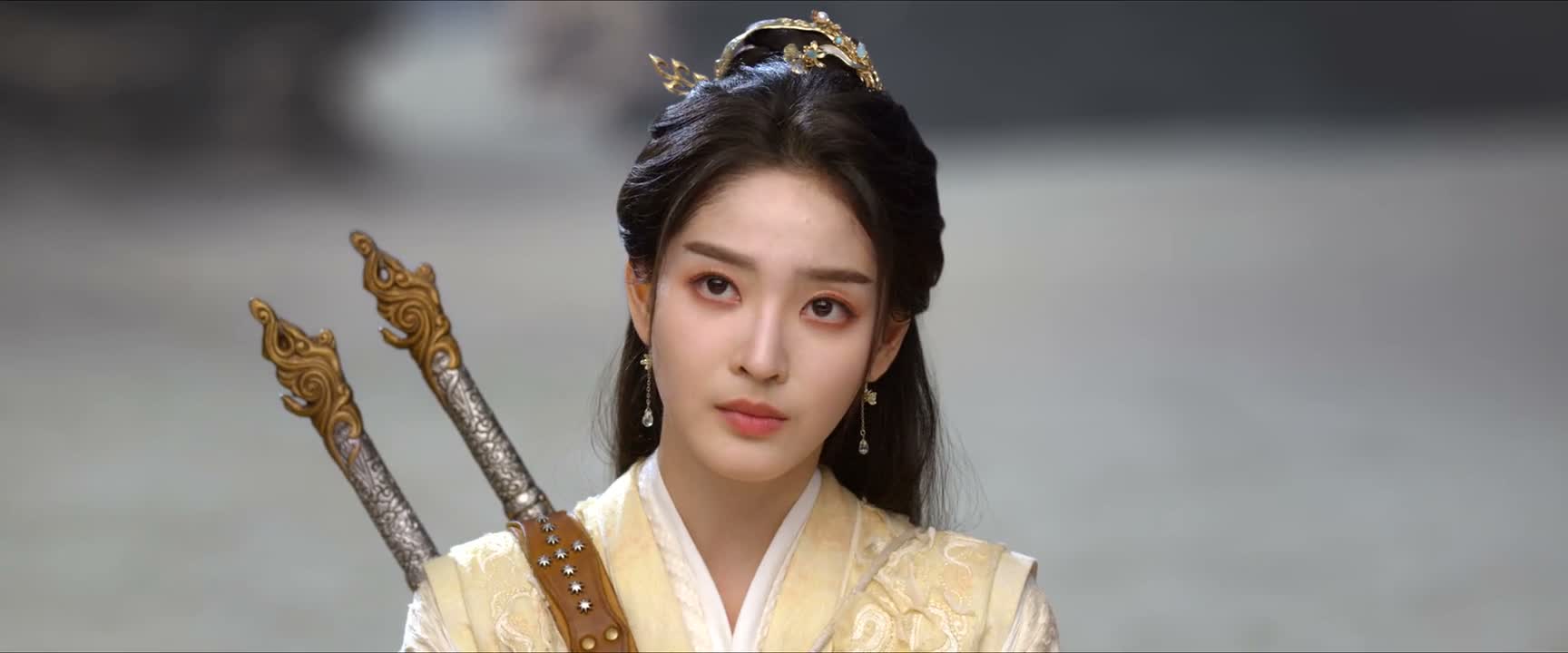
“When we humans build ships,”

“Mainly, I feel a little guilty that I couldn't help Qihang more this time.”

“[004] Are you going to seek justice from the ship tyrant?”

“So, she still relied on a man in the end.”