MC
MandarinClips Cinema Corpus
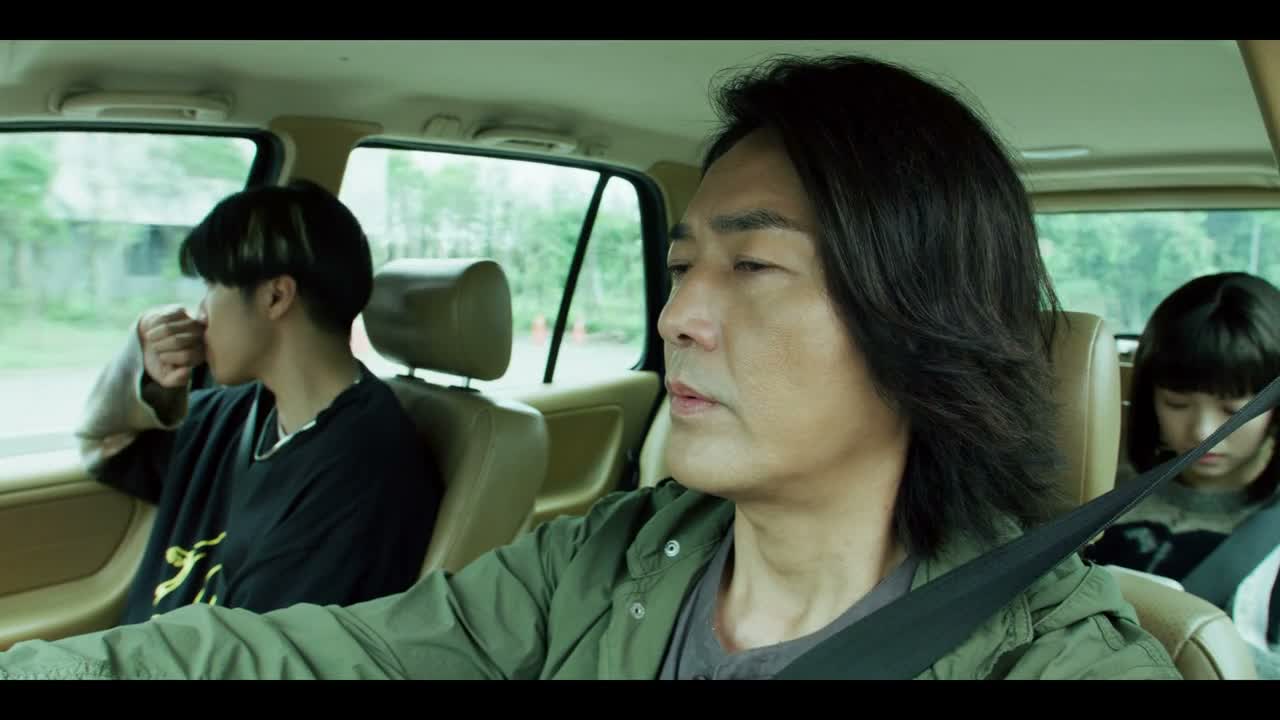
《How Dare You!?》 S1·E5 (29:33) HSK 6
wǒ jiào tā ne tā yě bù lǐ zěn me huì zhè yàng zhè shì shén me dōng xī a

我叫她呢她也不理 怎么会这样 这是什么东西啊

“Even when I spoke to her, she wouldn't respond. -Why is she like this? -What is this thing?”

《How Dare You!?》 S1·E5
TIMECODE: 29:33 · 1080P MASTER AUDIO

THE DIALOGUE REEL

1+1+1 SPOKEN CONTINUITY
[-1] PREVIOUS TURN zì cóng dǎ kāi zhè cè zi jiù yī jīng yī zhà de zhè shì

“Ever since she opened this booklet, -she's been acting jumpy. -This...”

wǒ jiào tā ne tā yě bù lǐ zěn me huì zhè yàng zhè shì shén me dōng xī a CURRENT FOCUS

我叫她 呢 她 也不 理 怎么会这样 这是什么东西 啊

“Even when I spoke to her, she wouldn't respond. -Why is she like this? -What is this thing?”

[+1] FOLLOW-UP TURN shén me yì si

什么意思

“What does this mean?”

Subtitles synced to millisecond timecode Browse Show Clips →
Scene: Daily Life
Function: EXPRESSING CONFUSION
Tone: BAFFLED
Emotion: CONFUSION
WHAT THEY REALLY MEAN (PRAGMATIC SUBTEXT)

Direct spoken expression in this communicative setting.

💡 Cultural Insight: Social Attentiveness (理)

Failing to acknowledge someone when called ('不理') is a noticeable breach of reciprocal social courtesy in Chinese interpersonal dynamics.

INTENT TAGS: #confusion #inquiry #complaint
🧩

LEARNING CHUNKS & PARTICLES

2 CHUNKS · 2 PARTICLES
也不理 SPOKEN CHUNK

doesn't even pay attention / ignores

Used to describe someone completely ignoring an attempt to communicate.

怎么会这样 SPOKEN CHUNK

how could it be like this / how did this happen

A common conversational phrase expressing shock, disbelief, or perplexity.

Modal Particle「呢」 (ne) CHANGE OF STATE

Marks a pause in narrative flow, setting up the contrast with the subsequent clause.

Modal Particle「啊」 (a) CHANGE OF STATE

Enhances the exasperated, inquisitive force of the rhetorical question.

🏮

VOCABULARY & EXPRESSIONS

3 EXPR · 2 GRAMMAR
CROSS-CINEMA CORPUS BOARD · PARALLEL SCENES

Parallel Spoken Cinema Scenes (语义近邻切片)

EXPLORE BY SEMANTIC SIMILARITY
《How Dare You!?》 S1·E5 (29:33) · Authentic Cinema Dialogue Corpus