越强大的人 就越喜欢独来独往
“The stronger a person is, the more they prefer to work alone—”
THE DIALOGUE REEL
“I'll be quick. Just a moment, please.”
越强大的人 就 越喜欢 独来独往
“The stronger a person is, the more they prefer to work alone—”
做任务
“even on missions,”
“Being alone doesn't mean I am lonely; it means I am strong.”
In contemporary Chinese youth culture, especially in gaming or competitive contexts, solitary independence is often romanticized as an indicator of supreme skill rather than social awkwardness.
LEARNING CHUNKS & PARTICLES
the more..., the more...
A common correlative structure used to describe proportional changes or relationships between two qualities.
to come and go alone; a lone wolf
A four-character idiom describing a solitary person who keeps to themselves without following a crowd.
VOCABULARY & EXPRESSIONS
Parallel Spoken Cinema Scenes (语义近邻切片)

“the more support we have, the better. The stronger, the better.”

“the strong grow stronger through their own efforts.”
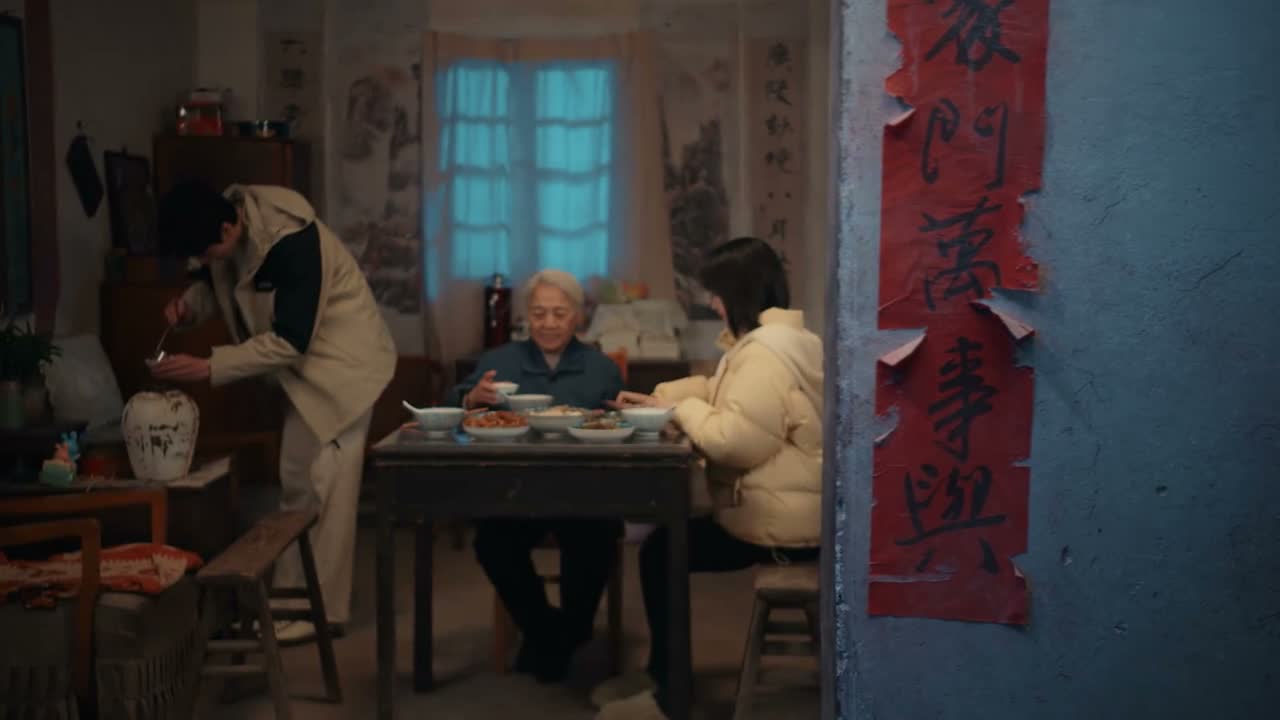
“and may life get better with every bite.”

“The bigger the commotion, the better.”

“I feel that I'm getting stronger”

“Every one of you has become stronger than before. [Distance covered by players]”