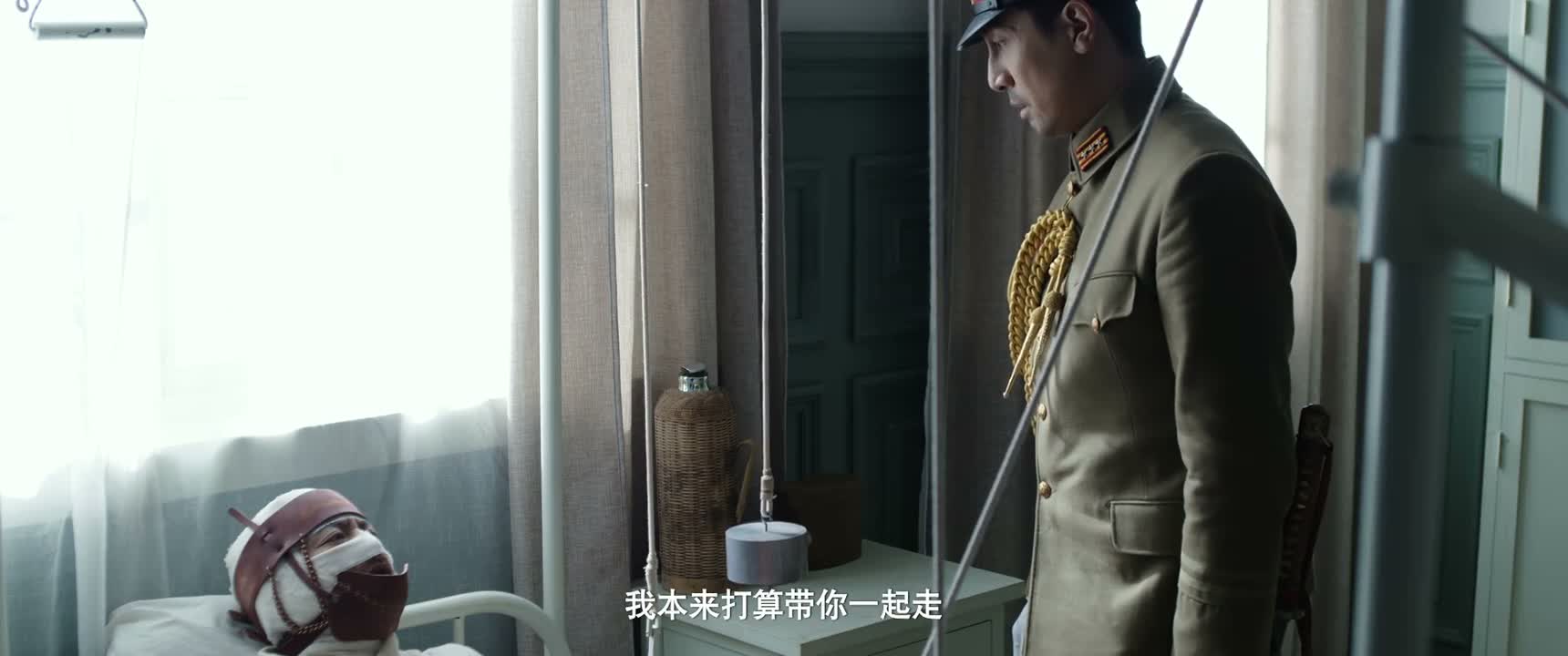
《The Epoch of Miyu》 S1·E37 (14:26)
HSK 6
wǒ yuán běn shì yào gēn tā yì qǐ qù de
我原本是要跟她一起去的
“I was supposed to go with her,”
《The Epoch of Miyu》
S1·E37
TIMECODE: 14:26
·
1080P MASTER AUDIO
THE DIALOGUE REEL
[-1] PREVIOUS TURN
fáng kǎ shì wǒ gěi mì yǔ jiě de
房卡是我给蜜语姐的
“I gave the room card to Miyu.”
wǒ yuán běn shì yào gēn tā yì qǐ qù de
CURRENT FOCUS
我 原本是要 跟她 一起去 的
“I was supposed to go with her,”
[+1] FOLLOW-UP TURN
jié guǒ dāng shí
结果当时
“but I got held up at the time”
Subtitles synced to millisecond timecode
Browse Show Clips →
Scene:
Crisis & Conflict
Function:
DEFENDING ONESELF
Tone:
APOLOGETIC AND EXPLANATORY
Emotion:
DEFENSIVENESS
WHAT THEY REALLY MEAN (PRAGMATIC SUBTEXT)
“Don't blame me for what happened—I never planned to leave her alone.”
💡 Cultural Insight: Intent vs. Outcome Defense
When an adverse event occurs, Chinese speakers often emphasize good or neutral original intent ('本意') to mitigate moral responsibility and blame.
INTENT TAGS:
#self_defense
#explanation
#clarification
#excuse
🧩
1 CHUNKS · 1 PARTICLES
LEARNING CHUNKS & PARTICLES
原本是要
SPOKEN CHUNK
originally intended to / was supposed to
Commonly used to contrast an initial plan with what actually happened due to an unforeseen disruption.
Modal Particle「的」 (de)
CHANGE OF STATE
Part of the '是...的' construction used to stress the factual reality of the speaker's original intent.
🏮
2 EXPR · 4 GRAMMAR
VOCABULARY & EXPRESSIONS
COLLOQUIAL EXPRESSIONS:
GRAMMAR BLUEPRINTS:
CROSS-CINEMA CORPUS BOARD · PARALLEL SCENES
EXPLORE BY SEMANTIC SIMILARITY
Parallel Spoken Cinema Scenes (语义近邻切片)

《The Epoch of Miyu》 S1·E37 (14:26) · Authentic Cinema Dialogue Corpus