你不要在那边给我阴阳怪气的
“Stop with that sarcastic tone.”
THE DIALOGUE REEL
谢谢
“I thank him, thank him, thank you.”
你不要 在那边 给我 阴阳怪气 的
“Stop with that sarcastic tone.”
我那时候遇到困难
“When I was in trouble,”
“Cut the sarcasm and say what you actually mean.”
Because direct confrontation is often socially suppressed in Chinese culture, discontent frequently manifests as indirect mockery, known as 'yinyang guaiqi', which people find particularly infuriating.
LEARNING CHUNKS & PARTICLES
passive-aggressive, sarcastic, or speaking in weird tones
A very common colloquial four-character idiom used to describe someone who mocks or makes veiled snide remarks instead of speaking straight.
over there; actively engaging in (habitual/ongoing behavior)
Colloquially added before negative actions to express irritation toward the person doing them.
Used at the end of an imperative sentence to reinforce finality and insistence on stopping the behavior.
VOCABULARY & EXPRESSIONS
Parallel Spoken Cinema Scenes (语义近邻切片)

“Stop being so sarcastic here.”
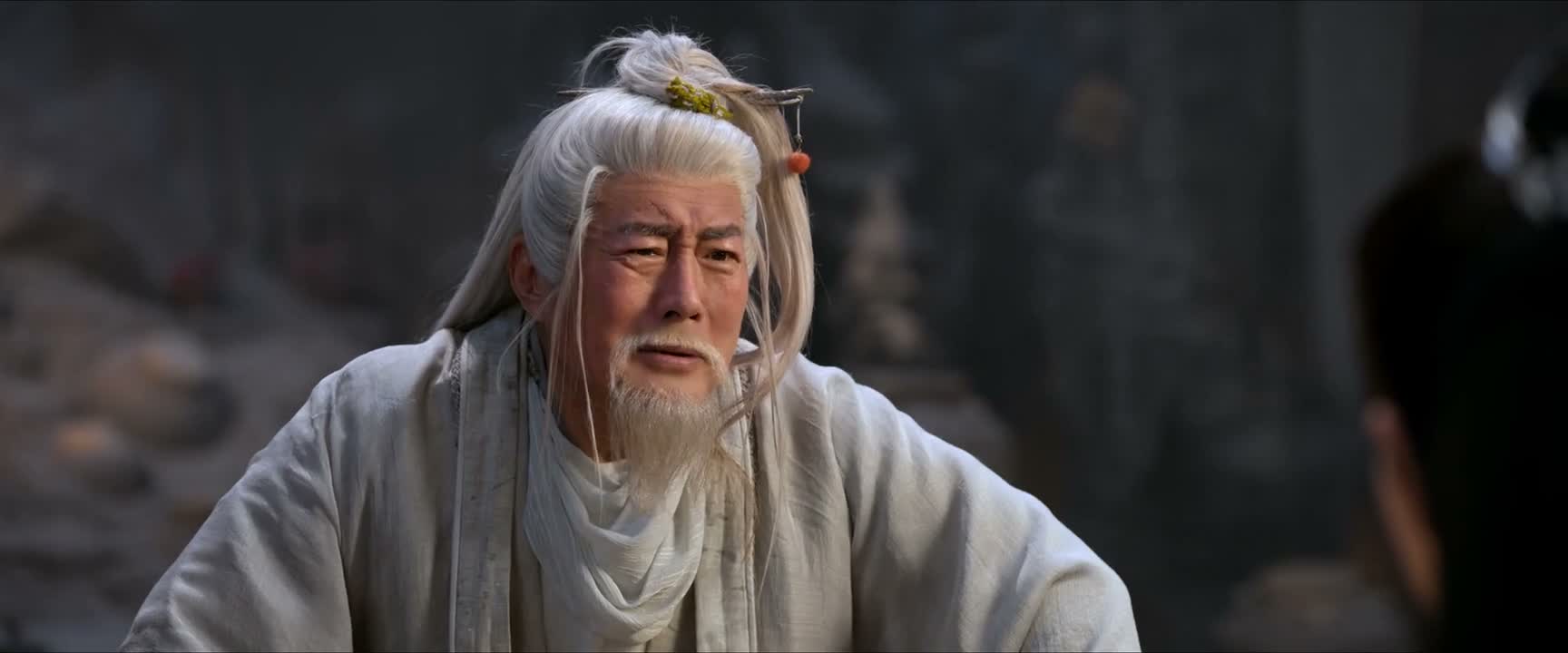
“Don't be so sarcastic,”

“Don't try to elicit information from me.”

“And you don't need to act mysterious here.”