MC
MandarinClips Cinema Corpus
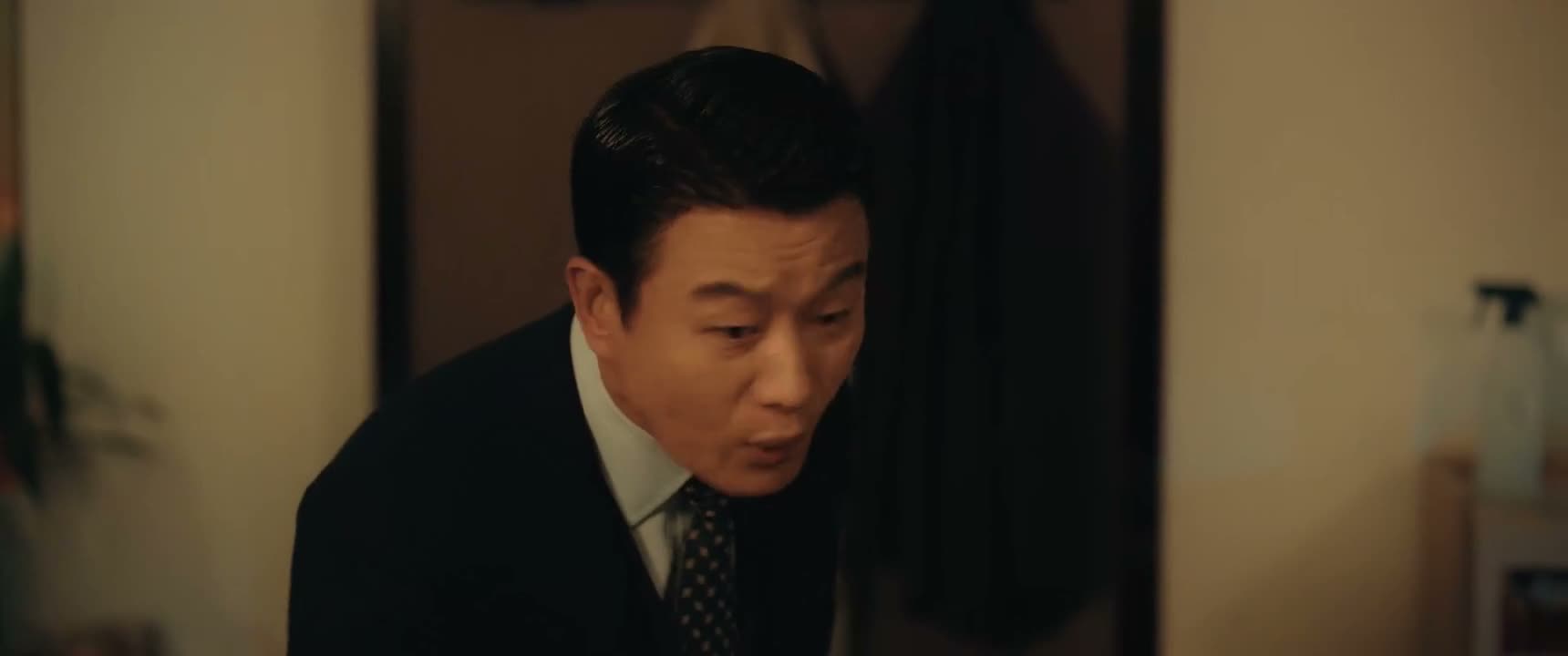
《The Epoch of Miyu》 S1·E3 (32:14) HSK 2
nǐ gēn wǒ lí wán hūn hái huì yǒu hǎo rì zi guò ma

你跟我离完婚还会有好日子过吗

“Do you think you'll have a good life after divorcing me?”

《The Epoch of Miyu》 S1·E3
TIMECODE: 32:14 · 1080P MASTER AUDIO

THE DIALOGUE REEL

1+1+1 SPOKEN CONTINUITY
[-1] PREVIOUS TURN nǐ yǒu shén me běn shì gēn wǒ lí hūn

“What makes you think you can divorce me?”

nǐ gēn wǒ lí wán hūn hái huì yǒu hǎo rì zi guò ma CURRENT FOCUS

你跟我离完婚 还会 有好日子过 吗

“Do you think you'll have a good life after divorcing me?”

[+1] FOLLOW-UP TURN bú huì yǒu

不会有

“You won't!”

Subtitles synced to millisecond timecode Browse Show Clips →
Scene: Crisis & Conflict
Function: THREATENING AND BELITTLING
Tone: CONDESCENDING
Emotion: ANGER
WHAT THEY REALLY MEAN (PRAGMATIC SUBTEXT)
“You are nothing without me, and you will regret leaving.”
💡 Cultural Insight: Economic Dependency and Spousal Dominance

In marital conflicts, one partner often asserts superior social or financial footing to discourage the other from seeking divorce, framing departure as financial or emotional ruin.

INTENT TAGS: #intimidation #belittling #rhetorical_question #dissuasion
🧩

LEARNING CHUNKS & PARTICLES

2 CHUNKS · 1 PARTICLES
有好日子过 SPOKEN CHUNK

to live a comfortable or happy life

A common colloquial expression often used in rhetorical or cautionary statements about one's future well-being.

离完婚 SPOKEN CHUNK

after the divorce is finalized

Combines the verb 离婚 with the completion marker 完 to denote post-divorce circumstances.

Modal Particle「吗」 (ma) CHANGE OF STATE

Turns the clause into a sharp rhetorical question expecting a negative answer.
🏮

VOCABULARY & EXPRESSIONS

2 EXPR · 2 GRAMMAR
CROSS-CINEMA CORPUS BOARD · PARALLEL SCENES

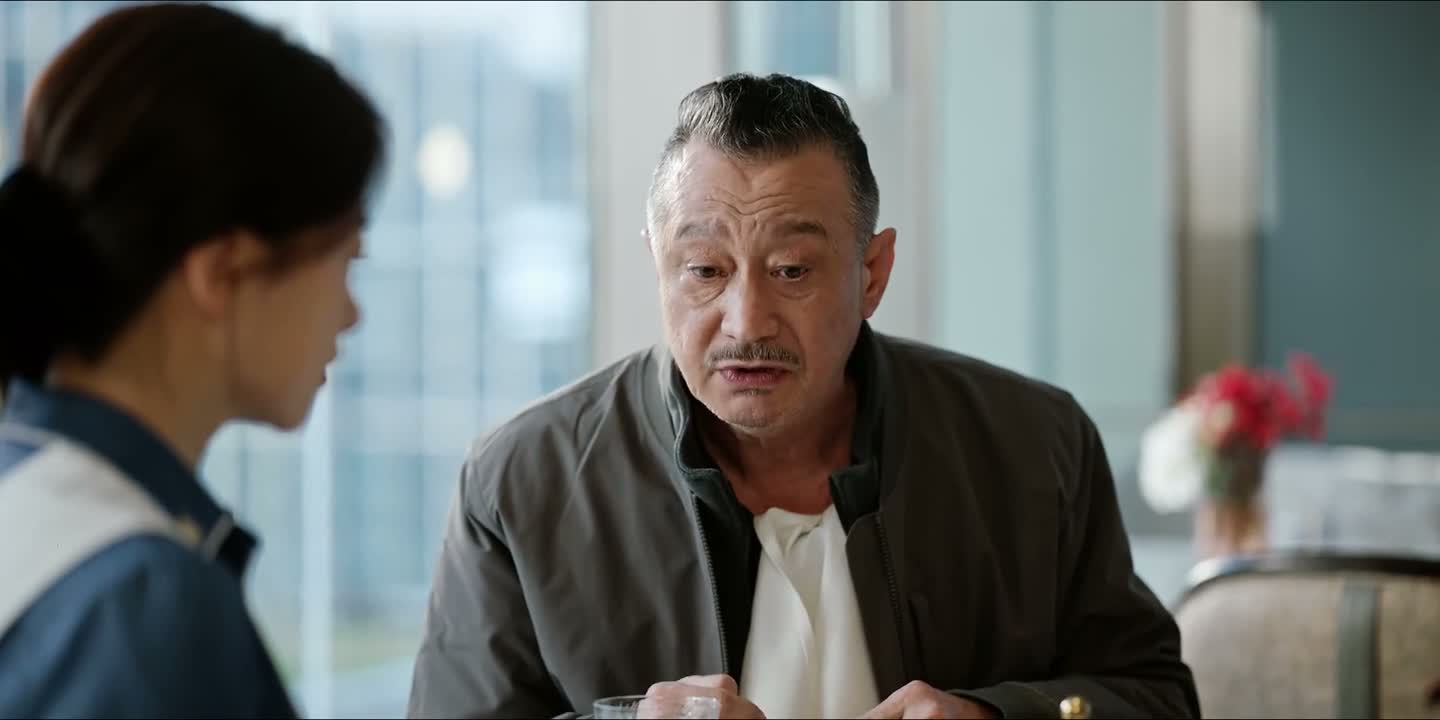
Parallel Spoken Cinema Scenes (语义近邻切片)

EXPLORE BY SEMANTIC SIMILARITY
《The Epoch of Miyu》 S1·E3 (32:14) · Authentic Cinema Dialogue Corpus