你刚才叫她什么来着 郝琼啊 这里不写了吗
“What did you call her? Hao Qiong. It's written here.”
THE DIALOGUE REEL
“What could the reason be? I've never thought about it.”
你刚才叫她 什么来着 郝琼啊 这里 不写了 吗
“What did you call her? Hao Qiong. It's written here.”
她叫郝琼 面试的是财务
“Her name is Hao Qiong (so poor), but she wants to work in finance.”
Direct spoken expression in this communicative setting.
Names in comedic Chinese dramas often feature homophones; 'Hao Qiong' sounds exactly like 'very poor' (好穷), signaling dramatic irony for an accountant applicant.
LEARNING CHUNKS & PARTICLES
what was it again?
A very common colloquial pattern used when momentarily forgetting a name, word, or fact.
isn't it written [here]?
A rhetorical way to point out readily available text or information.
Softens the inquiry and marks the realization of the name.
Forms a rhetorical question highlighting the obviousness of the written text.
VOCABULARY & EXPRESSIONS
Parallel Spoken Cinema Scenes (语义近邻切片)

“Hao Qiong, why are you laughing? Did we really make money?”

“Did we really get paid? Let me ask Hao Qiong.”

“Hao Qiong, did we really make money?”
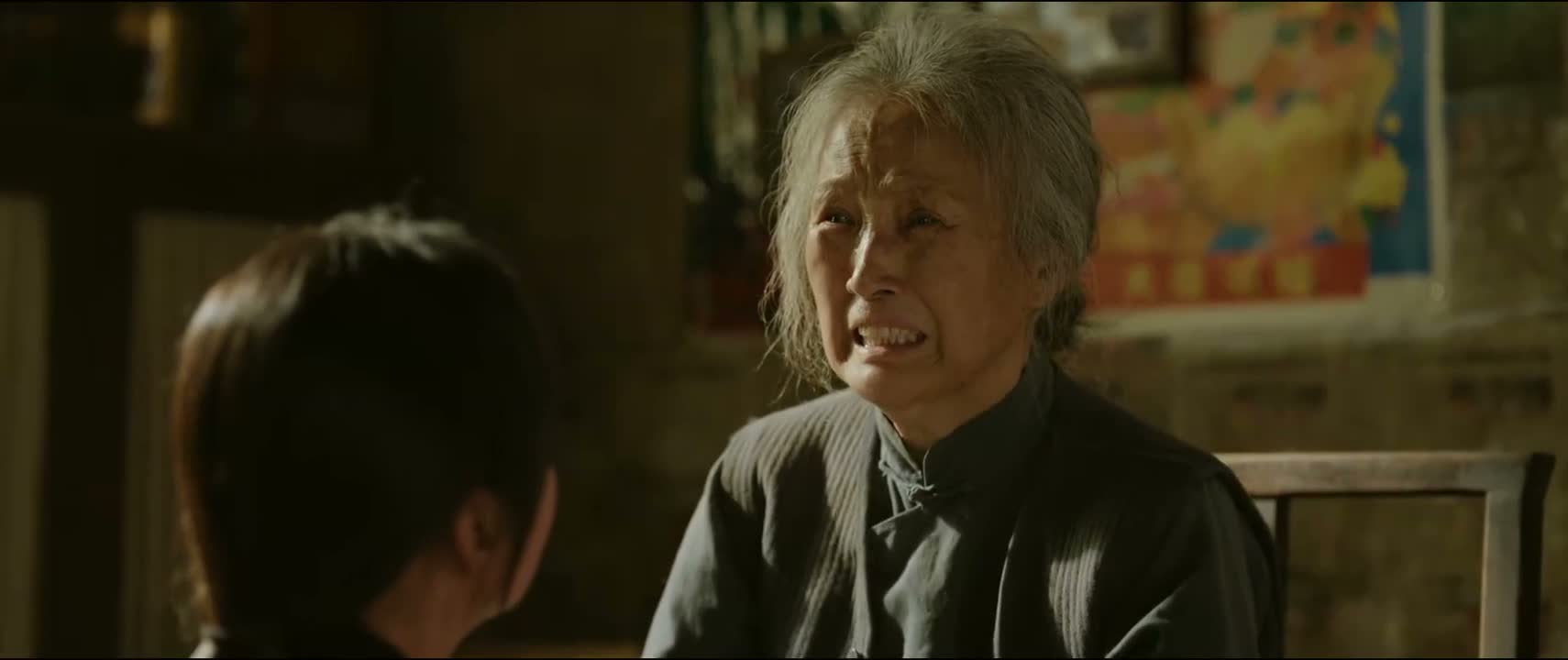
“What did you just call me?”

“Why didn't you tell me before? Feng Zhiyao managed it before. I didn't pay much attention.”

“Did you hear what she said in a panic?”