MC
MandarinClips Cinema Corpus
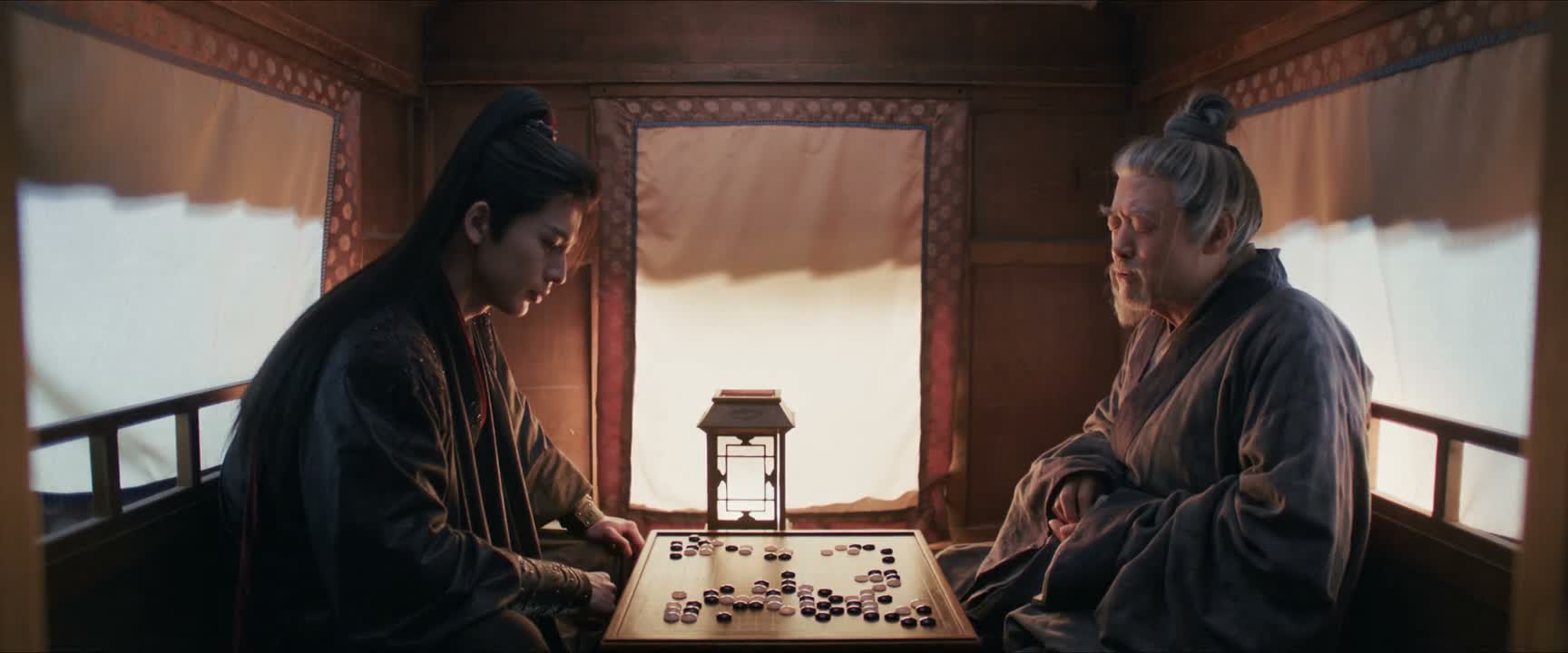
《Cage of Shadows》 S1·E15 (02:30) HSK 5
zhè me fù zá shuí huì xià ya

这么复杂谁会下呀

“Who can play such a complicated game?”

《Cage of Shadows》 S1·E15
TIMECODE: 02:30 · 1080P MASTER AUDIO

THE DIALOGUE REEL

1+1+1 SPOKEN CONTINUITY
[-1] PREVIOUS TURN chāo shí jí pàn fù

超时即判负

“Exceeding the time limit means a loss.”

zhè me fù zá shuí huì xià ya CURRENT FOCUS

这么复杂 谁会 下 呀

“Who can play such a complicated game?”

[+1] FOLLOW-UP TURN wǒ bú shì shuō le yóu shuāng fāng duì zhǎng zhǐ dìng

我不是说了由双方队长指定

“Didn't I say the captains would choose?”

Subtitles synced to millisecond timecode Browse Show Clips →
Scene: Crisis & Conflict
Function: COMPLAINING
Tone: PROTESTING
Emotion: FRUSTRATION
WHAT THEY REALLY MEAN (PRAGMATIC SUBTEXT)
“These rules are absurd and impossible; nobody can pull this off!”
💡 Cultural Insight: Rhetorical Complaints in Competitive Contexts

Chinese speakers often frame dissatisfaction as an objective impossibility ('who could possibly do this?') rather than personal inability to save face.

INTENT TAGS: #complaint #protest #rhetorical_question #frustration
🧩

LEARNING CHUNKS & PARTICLES

2 CHUNKS · 1 PARTICLES
这么复杂 SPOKEN CHUNK

so complicated; this complex

Commonly used in spoken Chinese to express immediate exasperation toward an intricate task or system.

谁会……呀 SPOKEN CHUNK

who could possibly...?

A rhetorical question pattern used to imply that practically no one has the ability or willingness to perform the action.

Modal Particle「呀」 (ya) CHANGE OF STATE

Softens the blunt rhetorical question slightly while amplifying the emotional tone of bewilderment or complaint.

🏮

VOCABULARY & EXPRESSIONS

2 EXPR · 3 GRAMMAR
CROSS-CINEMA CORPUS BOARD · PARALLEL SCENES

Parallel Spoken Cinema Scenes (语义近邻切片)

EXPLORE BY SEMANTIC SIMILARITY
《Cage of Shadows》 S1·E15 (02:30) · Authentic Cinema Dialogue Corpus