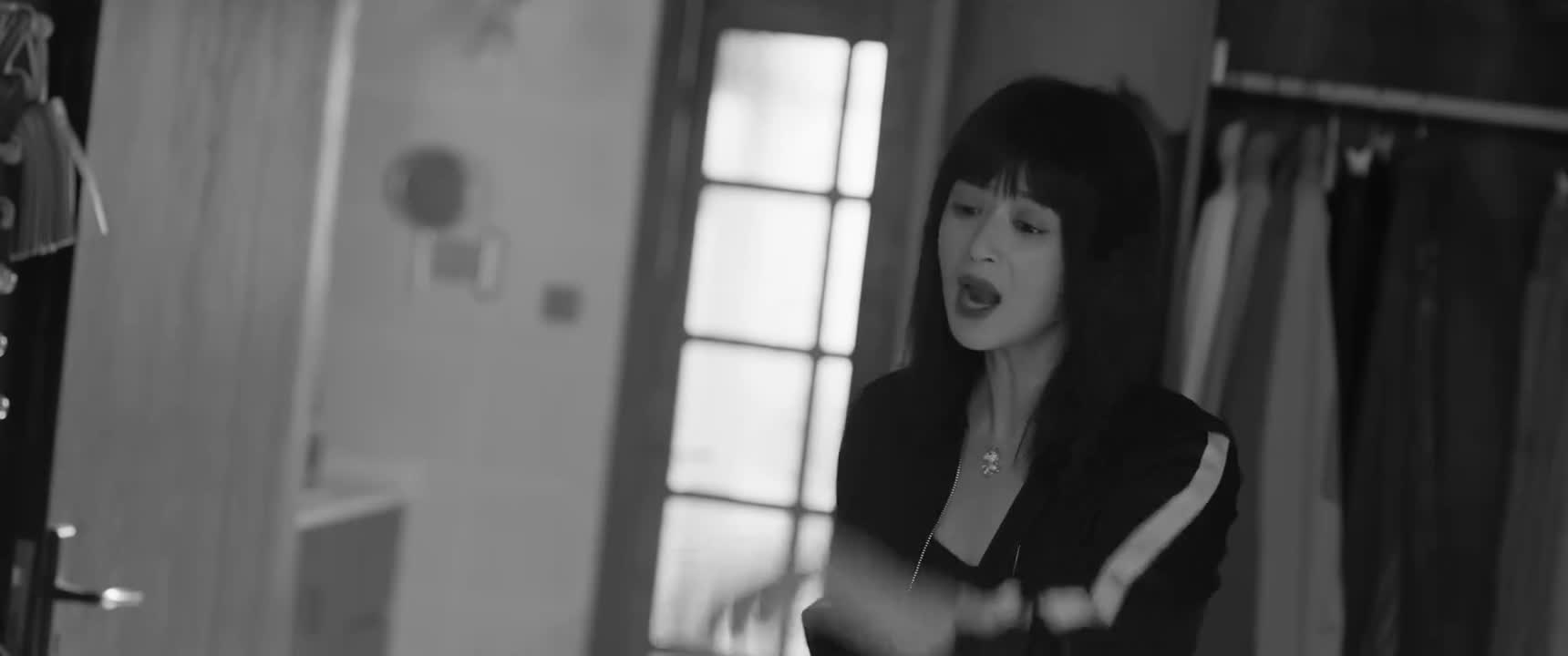
但你不是工具啊 你是活生生的人啊
“but you're not a tool. You're a living, breathing human.”
THE DIALOGUE REEL
“You've got the wrong idea. I did use you to annoy Fei Ni,”
但你 不是 工具啊 你 是 活生生的人 啊
“but you're not a tool. You're a living, breathing human.”
我就是咽不下这口气
“I just couldn't stand the sight”
Direct spoken expression in this communicative setting.
Contemporary Chinese slang widely uses the term 'tool person' (工具人) to describe someone exploited for utility; this dialogue is a passionate rejection of that commodification.
LEARNING CHUNKS & PARTICLES
living and breathing; flesh-and-blood
Emphatically highlights the vitality and vulnerability of a real human being compared to an inanimate object.
tool; instrument
Used metaphorically to criticize using people merely as pawns or instruments to achieve selfish ends.
Heightens emotional urgency, frustration, and moral emphasis.
VOCABULARY & EXPRESSIONS
Parallel Spoken Cinema Scenes (语义近邻切片)

“and be bossed around like a human tool?”
“You deserve to be used.”

“So what are you doing? Aren't they under your watch?”

“Fuck you! I wish you died! [sobs]”

“Are you really not a bad person?”

“[Taxi] No, we didn't kill this man.”