我们若是之前见过 你自己难道不记得吗
“If we have met before, why can't you remember?”
THE DIALOGUE REEL
怎么这么问
“Why do you ask?”
我们 若是 之前 见过 你 自己 难道不记得 吗
“If we have met before, why can't you remember?”
五六年前我受过重伤
“At that time, I was badly injured.”
“Why ask me? If we really had a history, you should know best.”
Chinese speakers often employ rhetorical questions with '难道' to gently expose illogical reasoning or fend off uncomfortable inquiries without outright confrontation.
LEARNING CHUNKS & PARTICLES
if; in case
A formal and slightly literary conditional marker equivalent to the colloquial '如果'.
could it be that... not; wouldn't...
Used to introduce a strong rhetorical question that expects an obvious affirmative acknowledgment.
Forms a rhetorical question that reinforces the speaker's skepticism.
VOCABULARY & EXPRESSIONS
Parallel Spoken Cinema Scenes (语义近邻切片)

“Do you remember? When we first met,”

“Do you remember...”

“Remember what I told you before?”
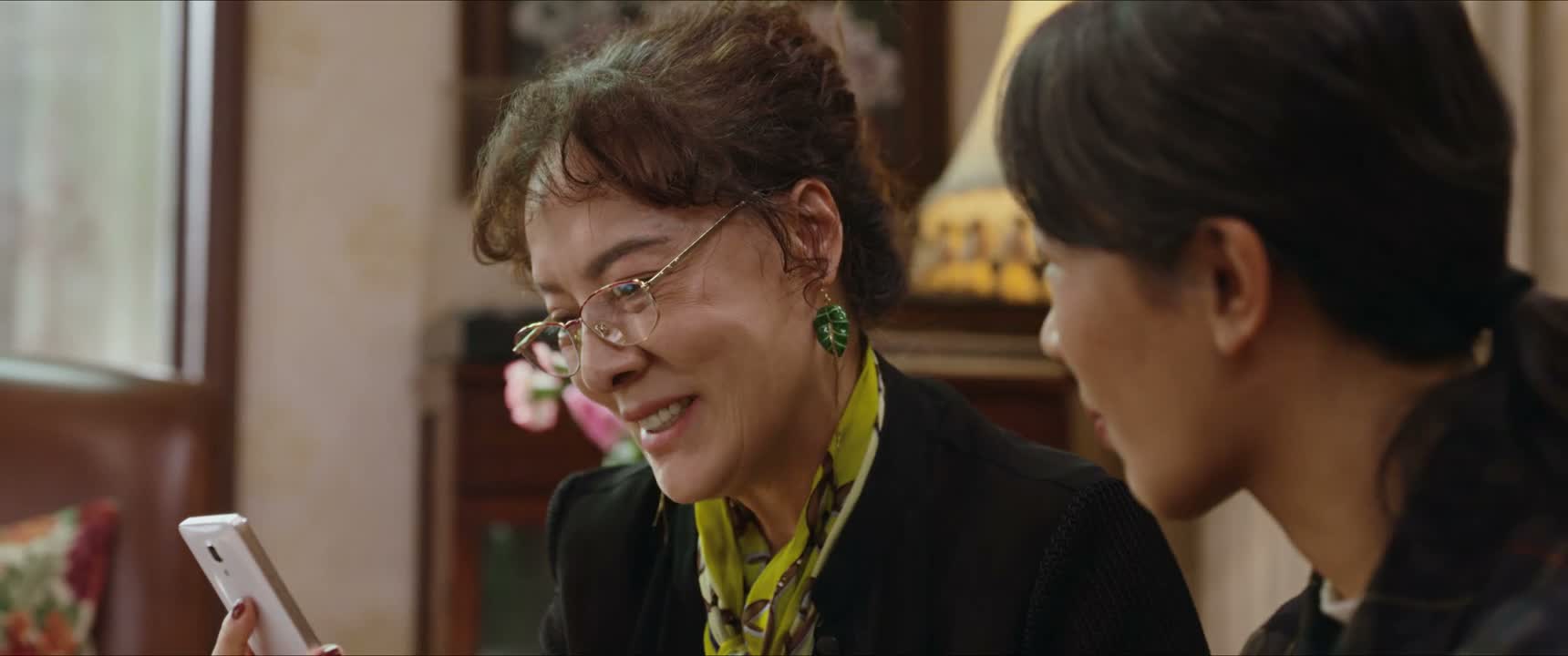
“If I had seen him, I definitely wouldn't have forgotten.”

“Maybe we even saw each other back then. Maybe.”

“Do you remember how we first met?”