你大白天你睡啥懒觉啊
“Why are you sleeping in during the day?”
THE DIALOGUE REEL
“If you couldn't do it, you shouldn't have promised.”
你 大白天 你睡啥懒觉啊
“Why are you sleeping in during the day?”
行了 行了 起来做点题
“Alright, get up and do homework.”
“Get out of bed right now and start studying, you are being irresponsible!”
In traditional Chinese family education, daytime lethargy is viewed as a moral and academic failing, prompting elders to aggressively urge children to study.
LEARNING CHUNKS & PARTICLES
broad daylight; middle of the day
Used to emphasize that an improper or unusual behavior is occurring when it is fully light outside.
to sleep in; to oversleep lazily
A very common informal colloquial term referring to lingering in bed past a normal waking hour.
Adds rhetorical force and exasperation to the scolding question.
VOCABULARY & EXPRESSIONS
Parallel Spoken Cinema Scenes (语义近邻切片)
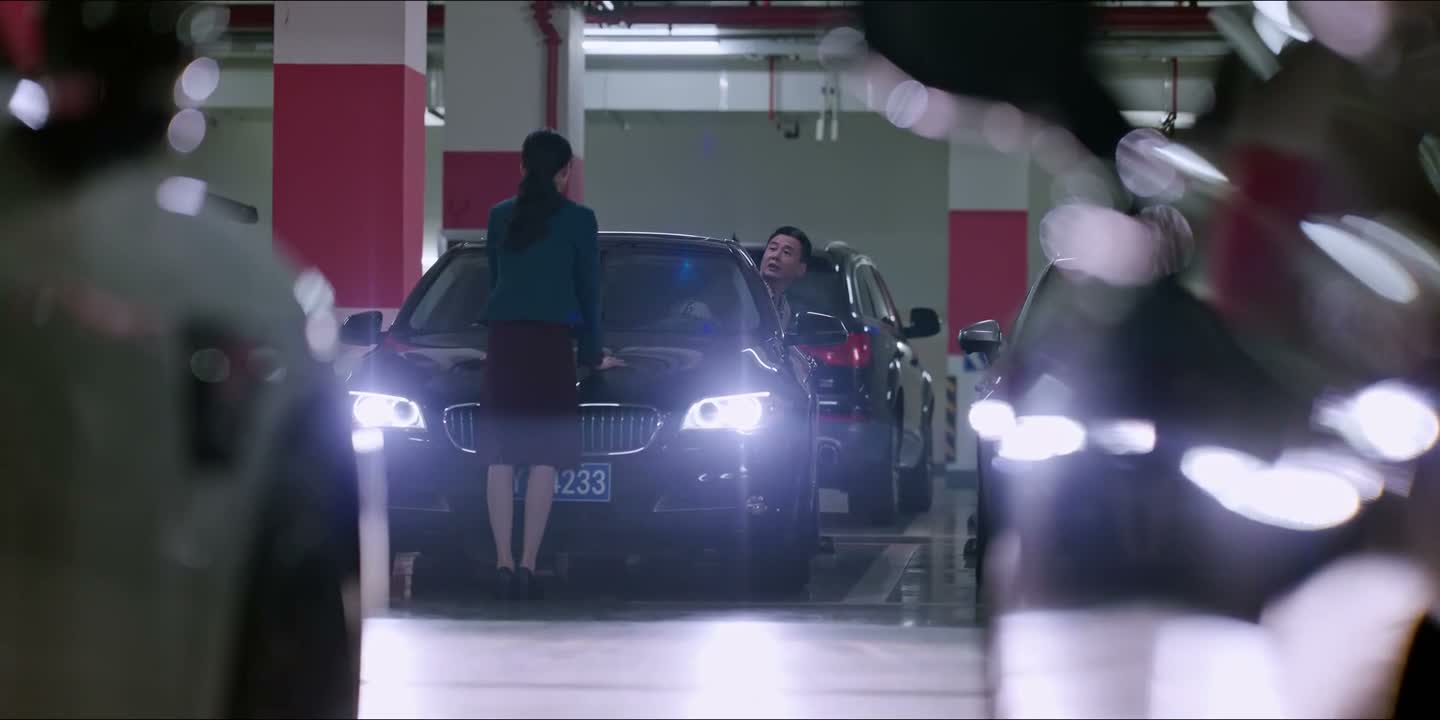
“In broad daylight, you're giving me a heart attack?”

“In broad daylight. Exactly.”

“Just sleep soundly in broad daylight.”
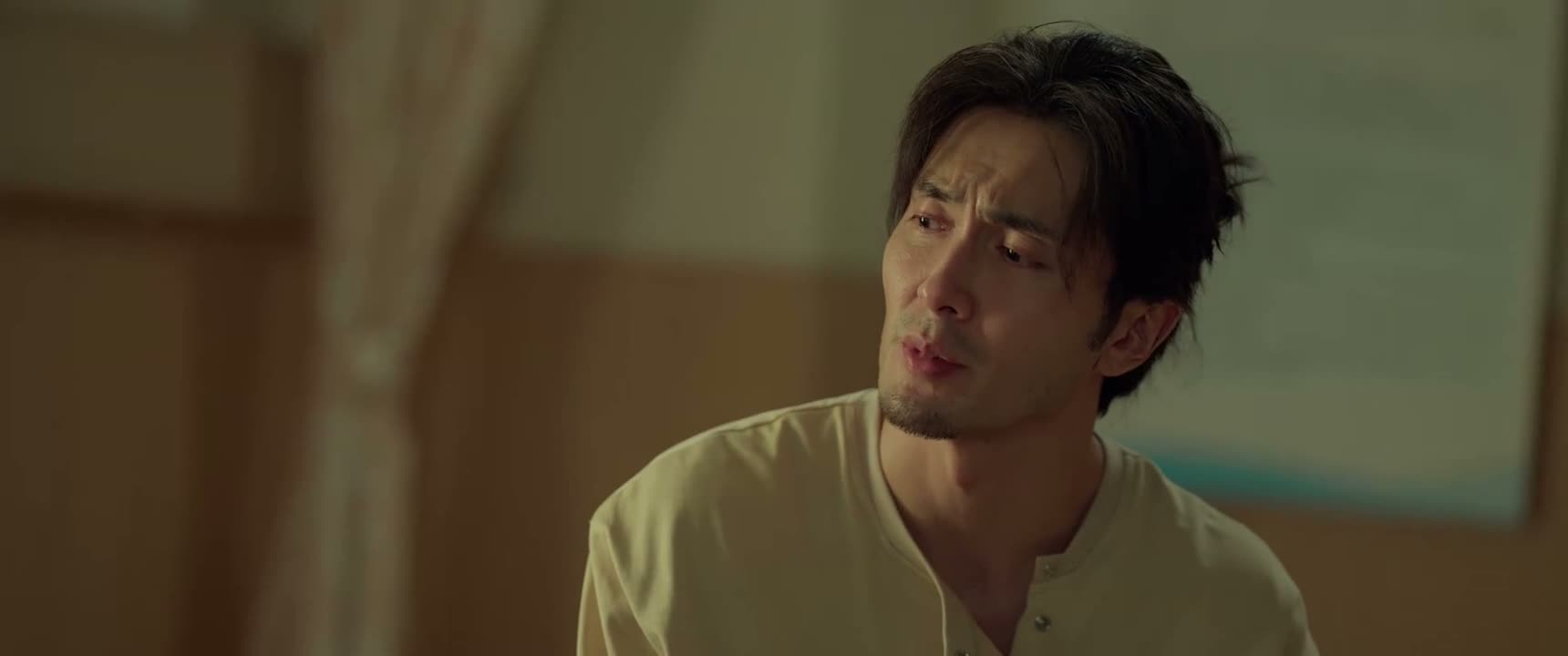
“you two argued all day and night.”

“Giving my husband the eye, huh?”