大白天的你就好好睡吧你
“Just sleep soundly in broad daylight.”
THE DIALOGUE REEL
一把牌都没打完
“We didn't even finish one hand.”
大白天的 你 就好 好 睡吧 你
“Just sleep soundly in broad daylight.”
真扫兴
“Such a downer.”
“You're totally killing the vibe by going to sleep in the middle of the day.”
Placing the second-person pronoun '你' at the end of an imperative or rhetorical remark is a typical spoken northern Chinese feature used to express mild reproach, teasing, or annoyance.
LEARNING CHUNKS & PARTICLES
in broad daylight; during the middle of the day
Commonly used to emphasize that an action (like sleeping, stealing, or doing something unusual) is inappropriate given the daytime setting.
go ahead and sleep; just sleep then
A colloquial, slightly petulant construction using postposed '你' to vent frustration or dismiss someone.
Used here with an ironic or resigned imperative tone to tell the listener to go ahead and do what they want.
VOCABULARY & EXPRESSIONS
Parallel Spoken Cinema Scenes (语义近邻切片)
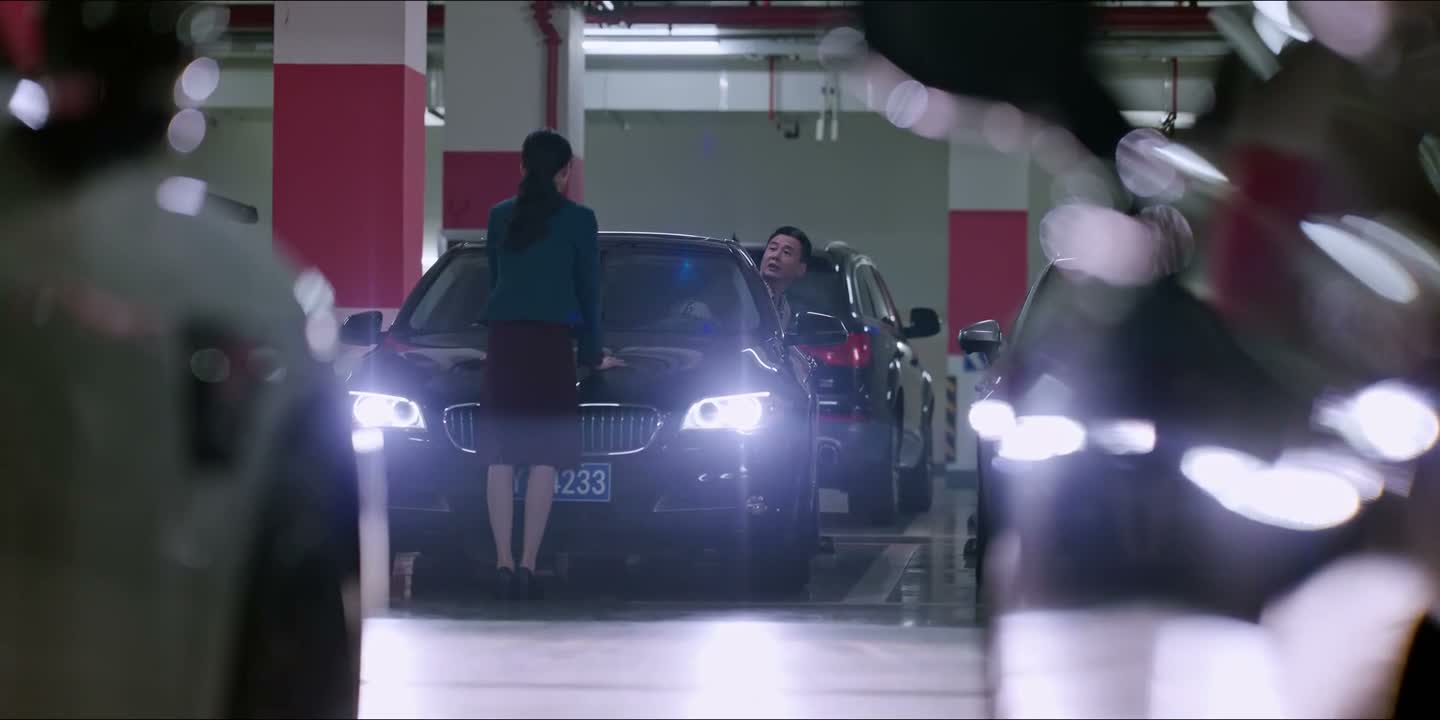
“In broad daylight, you're giving me a heart attack?”

“In broad daylight. Exactly.”

“You know the turn of day and night”
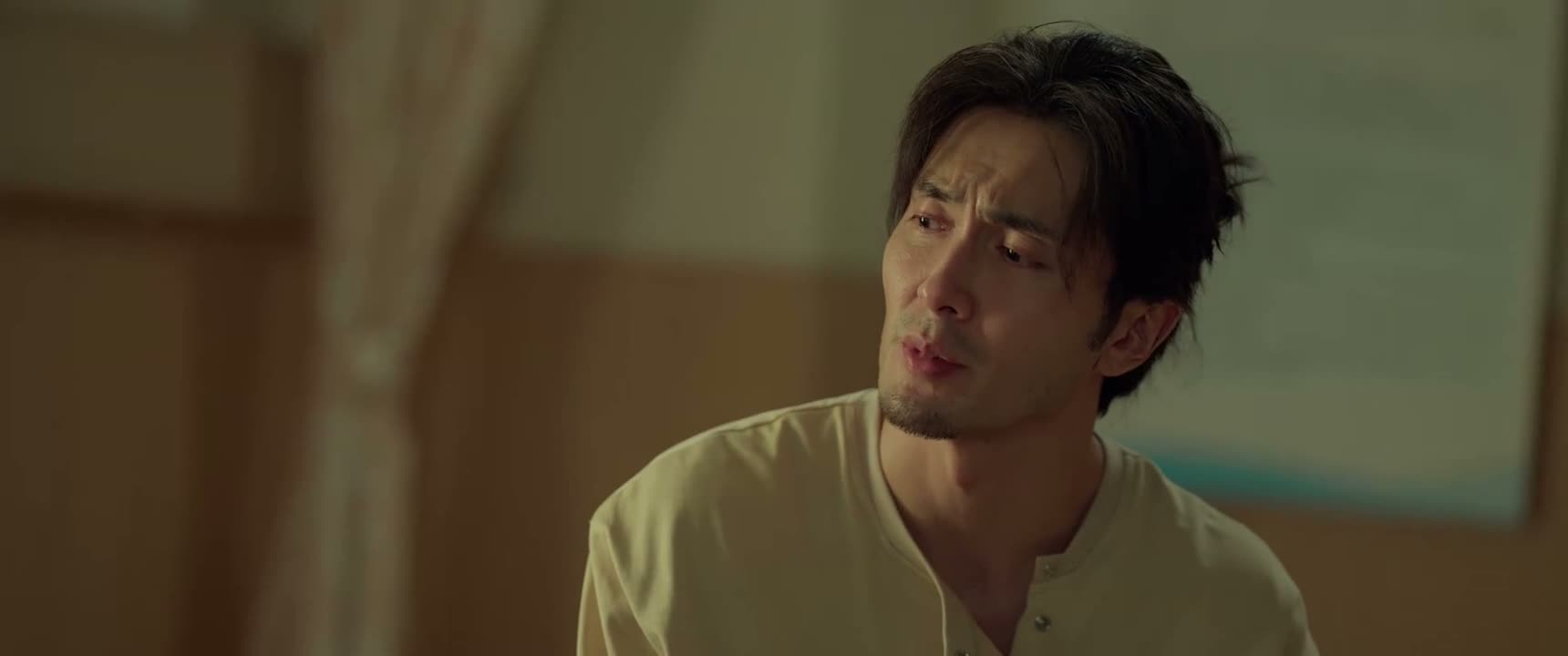
“you two argued all day and night.”

“Why are you sleeping in during the day?”

“Giving my husband the eye, huh?”