自个扇自个大嘴巴子呀 我那么大人了
“slapping yourself in the face? I'm a grown-up.”
THE DIALOGUE REEL
“Then if I say you did, shouldn't you be”
自个 扇 自个 大嘴巴子 呀 我那么大人了
“slapping yourself in the face? I'm a grown-up.”
也不能随便被人欺负
“I'm not someone people can just push around.”
“Are you out of your mind? I would never humiliate myself like that.”
To physically or verbally 'slap one's own mouth' implies total loss of dignity, which an adult in Chinese culture will fiercely resist to preserve basic face.
LEARNING CHUNKS & PARTICLES
oneself; by oneself
A highly colloquial Northern Chinese variant of 自己 (zìjǐ).
a hard slap across the mouth/face
Vivid northern slang describing a heavy physical slap, commonly used figuratively to describe self-humiliation.
such a grown adult already
Used to invoke maturity and dignity when rejecting childish or degrading demands.
Softens the rhetorical question while adding a strong tone of exasperation and disbelief.
VOCABULARY & EXPRESSIONS
Parallel Spoken Cinema Scenes (语义近邻切片)
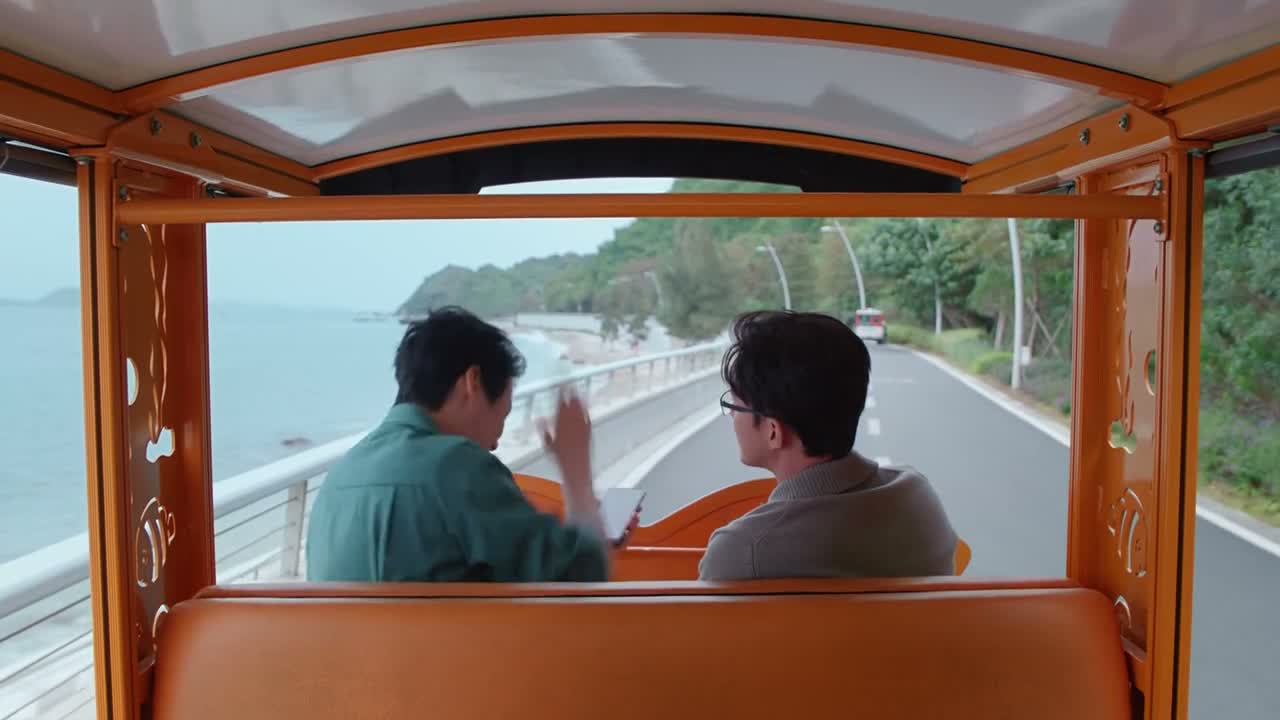
“I should slap him. I'll give him a real slap!”

“A grown man without an ounce of backbone.”

“I still feel like a child”

“Come on, you're a grown man.”

“I'll get her a good one! I'm not cheap.”
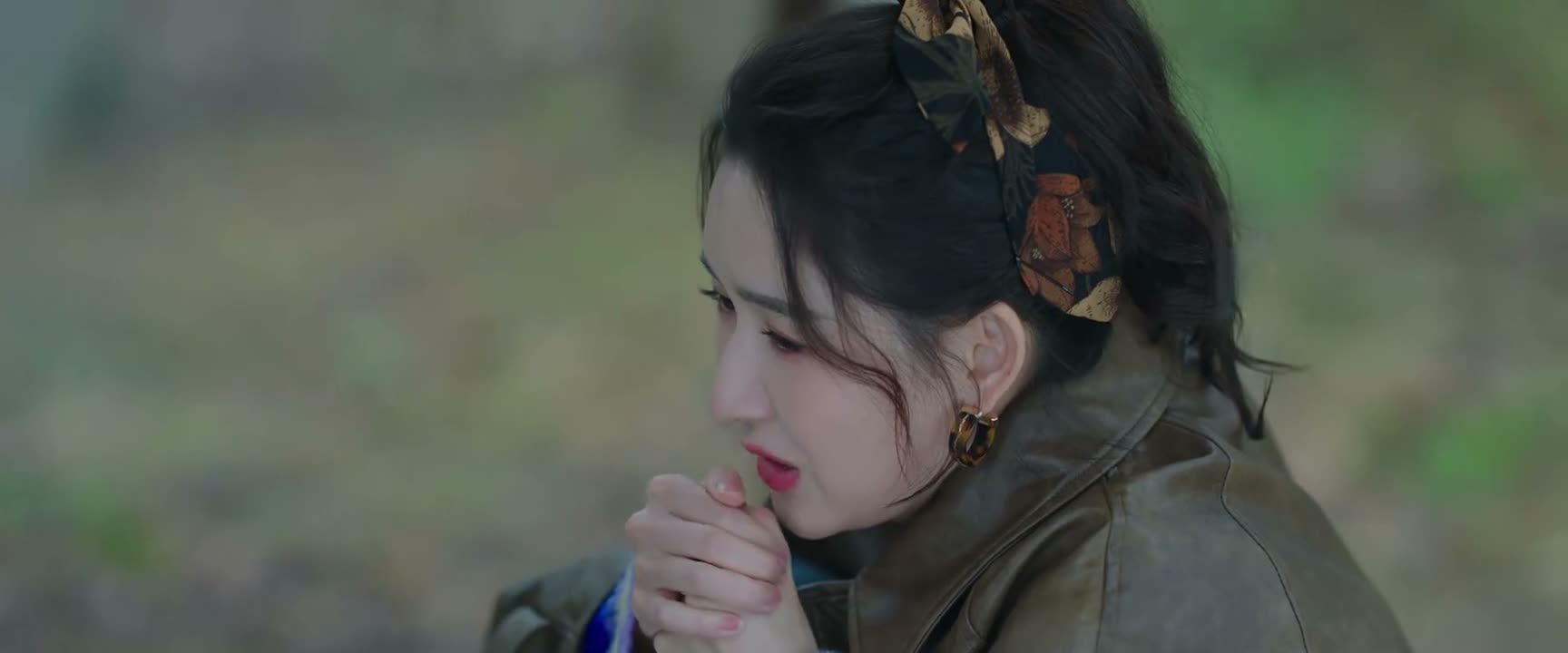
“I'll let bygones be bygones”