那我要说你欺负她 你是不就得
“Then if I say you did, shouldn't you be”
THE DIALOGUE REEL
“The way he talked about... Who did I mess with? You think I'd mess with San Mei?”
那 我要 说你 欺负她 你是 不就 得
“Then if I say you did, shouldn't you be”
“slapping yourself in the face? I'm a grown-up.”
“If I call your bluff right now and say you really did mistreat her, what extreme excuse or penalty are you going to face?”
Domestic arguments in northern Chinese culture often employ sharp, hypothetical ultimatums to expose hypocrisy and force personal accountability.
LEARNING CHUNKS & PARTICLES
if I were to say / suppose I say
Used to introduce a provocative hypothetical claim to test someone's reaction.
to bully / to pick on / to mistreat
Frequently used in family and domestic disputes to accuse someone of being unfair or harsh to a weaker member.
VOCABULARY & EXPRESSIONS
Parallel Spoken Cinema Scenes (语义近邻切片)
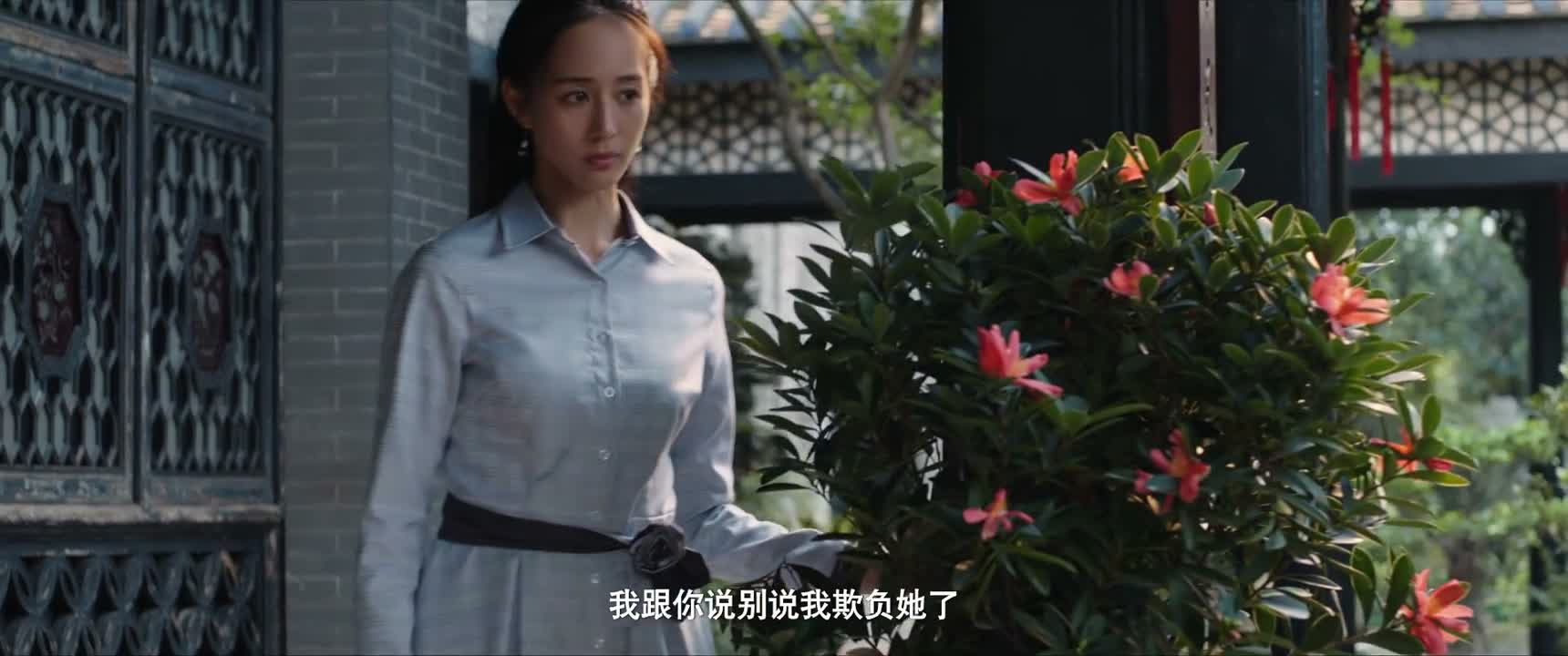
“Let me tell you, never mind me bullying her...”

“Please don't mistreat her.”
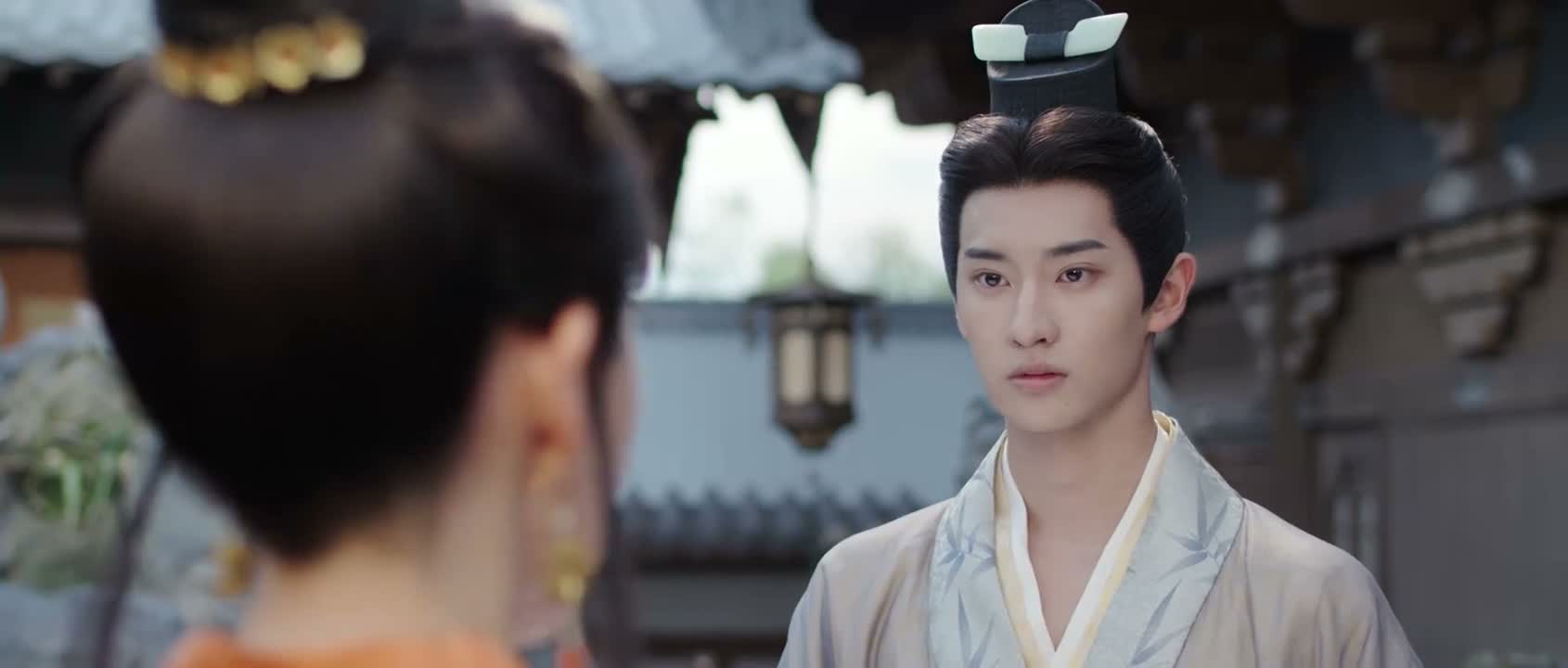
“I dislike that however I bullied her,”
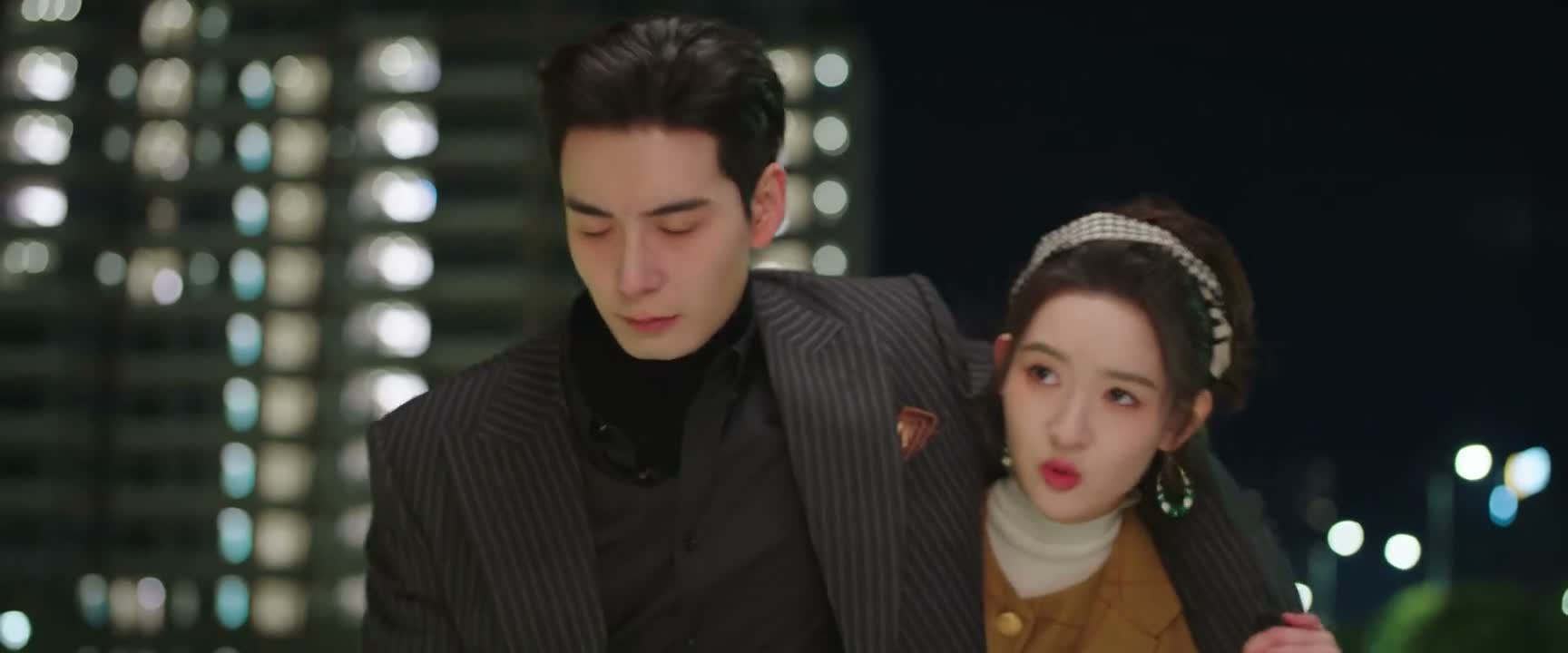
“I'm bullying you.”

“Not entirely. I understand her feelings.”
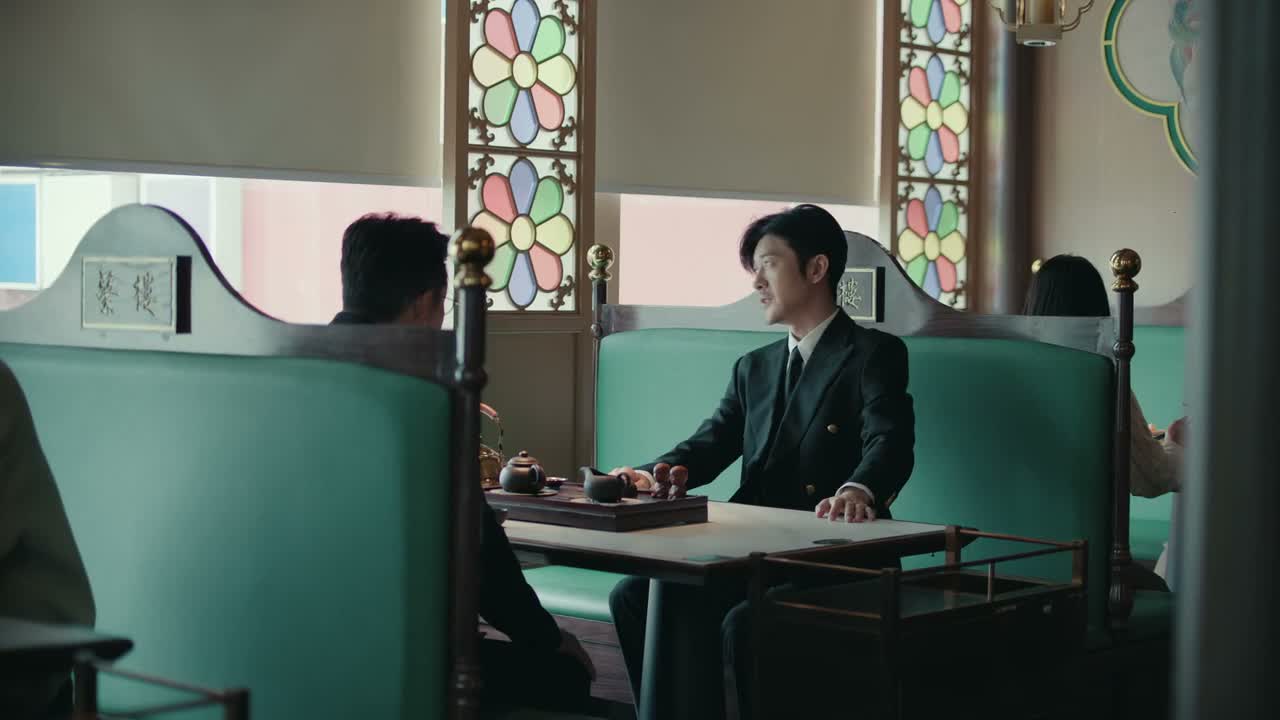
“I'm lucky if she doesn't bully me.”