据他所说 是刹车失灵 到底是蓄意还是意外
“He claims the brakes failed. Whether it was intentional or an accident”
THE DIALOGUE REEL
“to keep investigating. The driver involved in the crash has been brought back.”
据他所说 是 刹车失灵 到底是 蓄意还是 意外
“He claims the brakes failed. Whether it was intentional or an accident”
“is hard to tell right now. Investigate everything about him.”
“He claims it was brake failure, but we cannot take his word for it; we need to verify if this was premeditated.”
Chinese forensic and legal language strictly distinguishes between '蓄意' (intentional/premeditated act) and '意外' (accidental occurrence), as this fundamentally determines criminal culpability and sentencing severity.
LEARNING CHUNKS & PARTICLES
according to what he said
A standard formal-spoken attribution formula used to distance oneself from the truthfulness of a claim.
in the end, is it... or...?
Used to press for clarity between two mutually exclusive possibilities in an analytical or interrogative context.
VOCABULARY & EXPRESSIONS
Parallel Spoken Cinema Scenes (语义近邻切片)
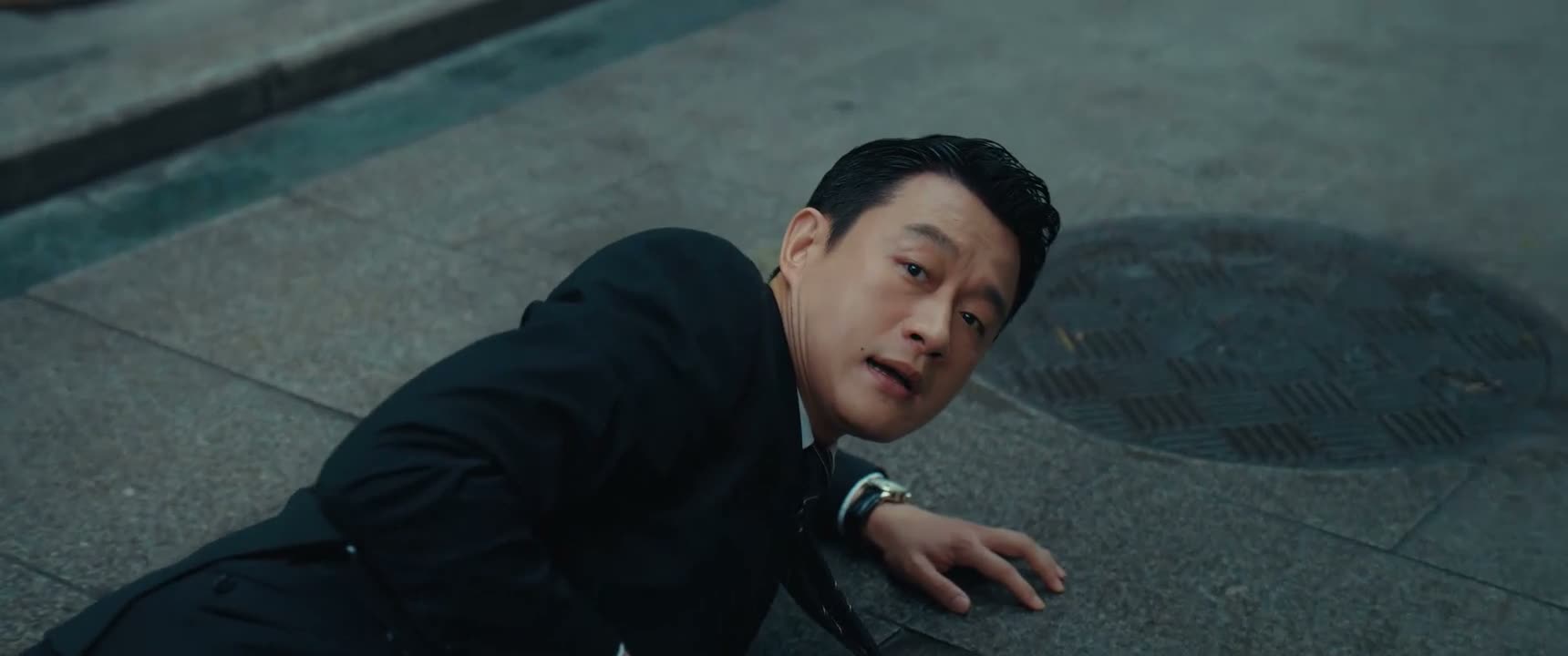
“I'm sorry. The brakes failed.”

“It was brake failure. Lies.”
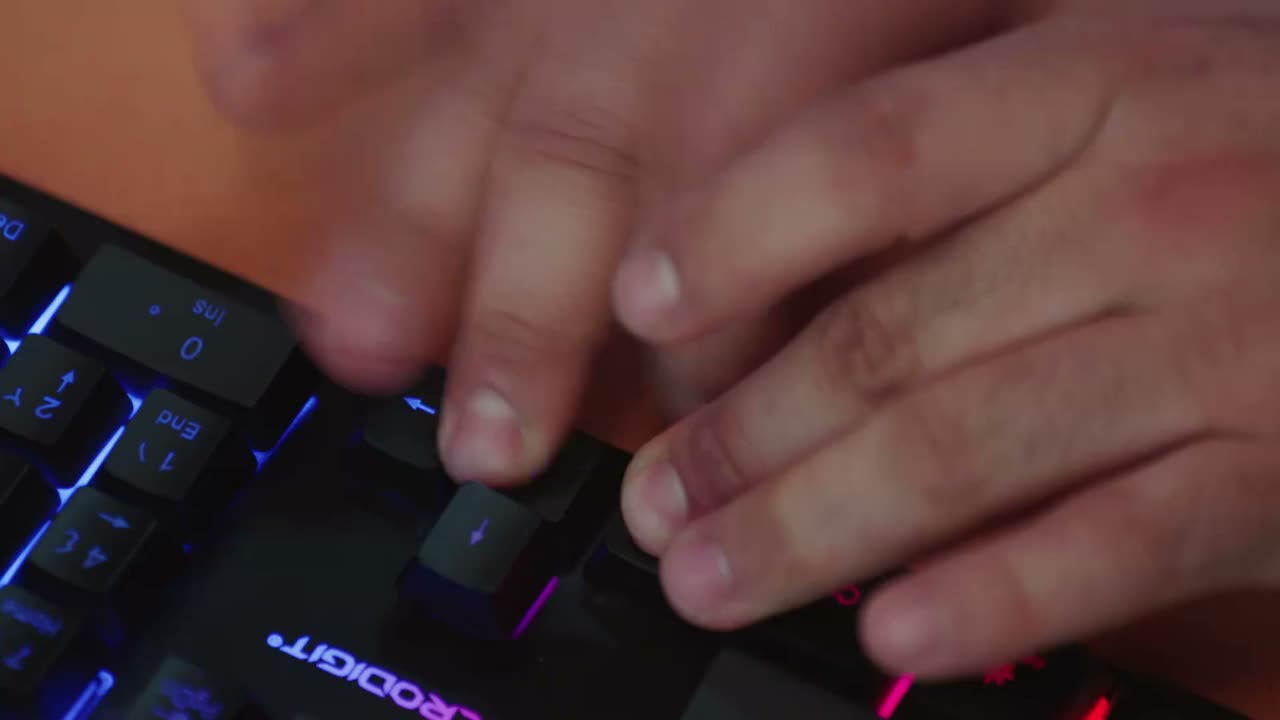
“Why are there no brakes?”
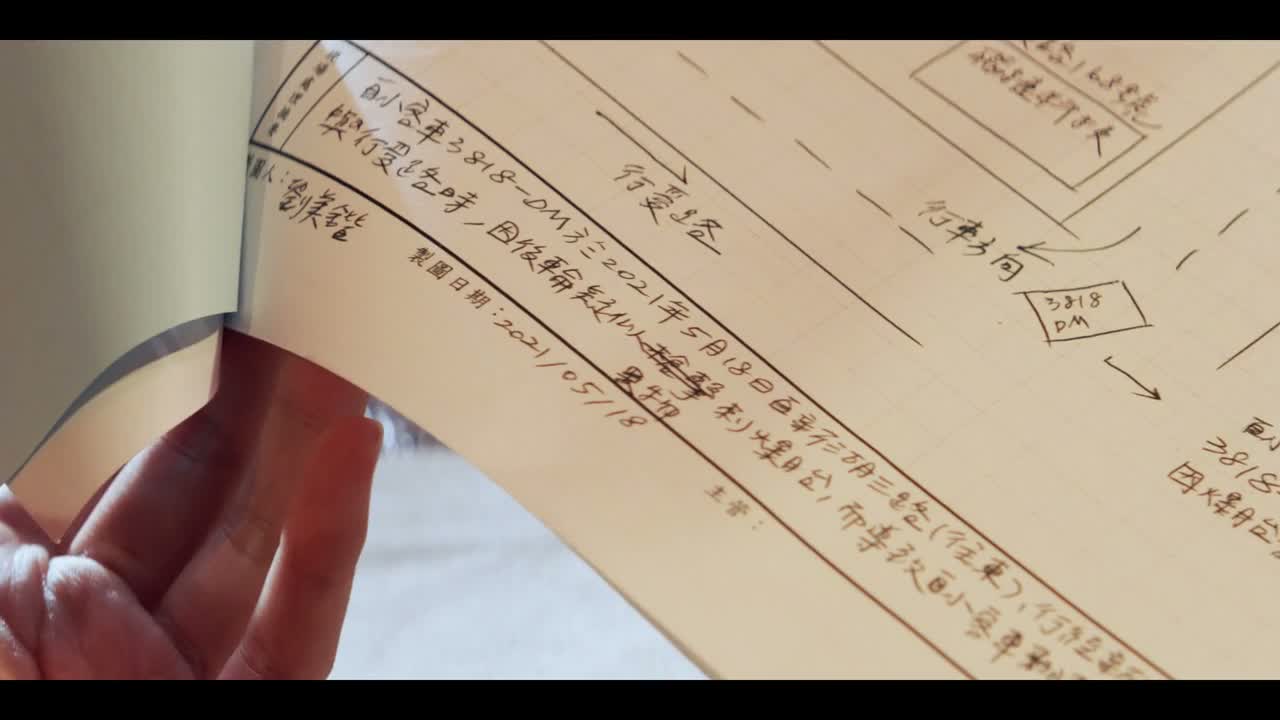
“In the initial report, police at the scene suspected the reason for the burst tire was that it was punctured by a foreign object.”

“I get it, but since you two have hit the brakes”

“There's no brake!”