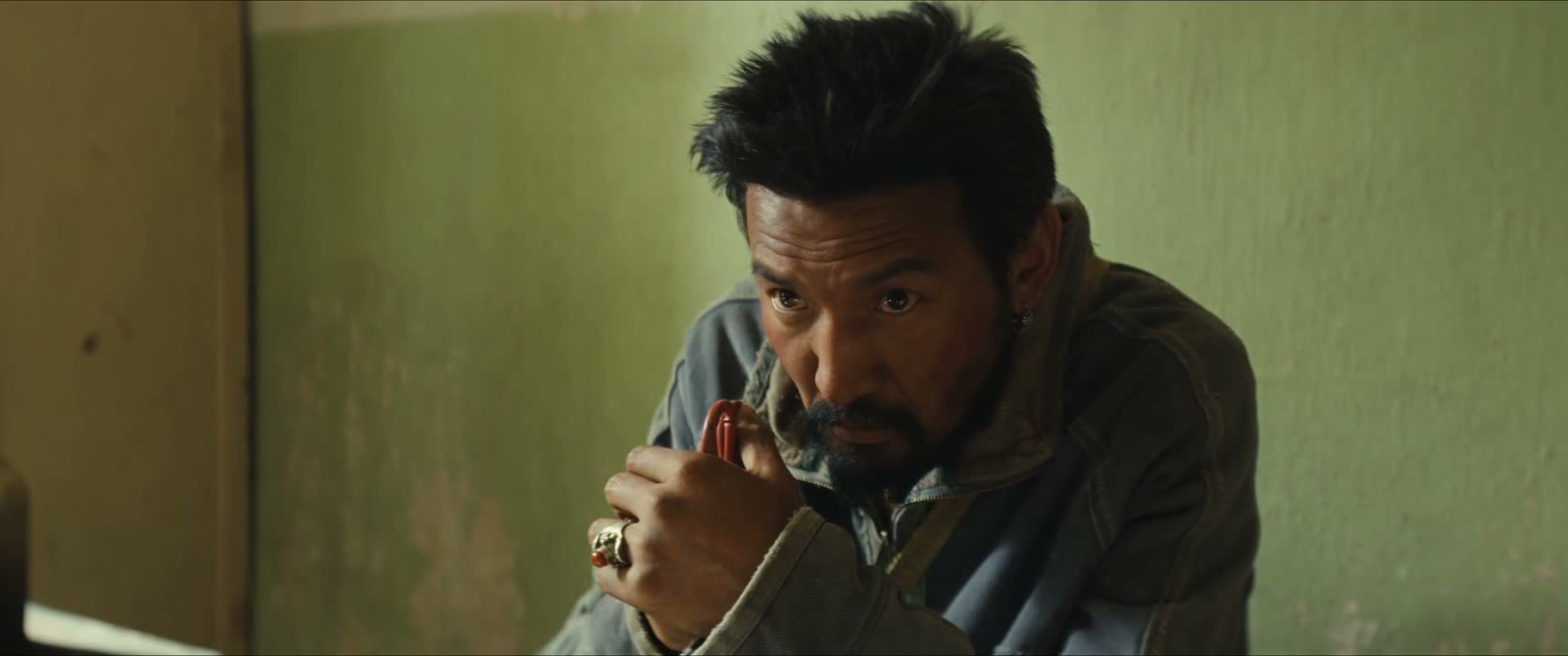
《Go Ahead》 S1·E29 (35:01)
HSK 4
gēn nǐ dào qiàn le xíng ba
跟你道歉了行吧
“I apologize to you. OK?”
《Go Ahead》
S1·E29
TIMECODE: 35:01
·
1080P MASTER AUDIO
THE DIALOGUE REEL
[-1] PREVIOUS TURN
suàn bà bà qiú nǐ le xíng ba
算爸爸求你了行吧
“I'm begging you. OK?”
gēn nǐ dào qiàn le xíng ba
CURRENT FOCUS
跟你 道歉 了 行吧
“I apologize to you. OK?”
[+1] FOLLOW-UP TURN
nǐ shuō nǐ nǐ hái xiǎng zěn me yàng a
“Tell me what else do you want?”
Subtitles synced to millisecond timecode
Browse Show Clips →
Scene:
Family & Home
Function:
RELUCTANT APOLOGY
Tone:
DEFENSIVE
Emotion:
FRUSTRATION
WHAT THEY REALLY MEAN (PRAGMATIC SUBTEXT)
“I gave you the apology you wanted, so stop nagging me and let this drop.”
💡 Cultural Insight: Elders' Loss of Face in Apologies
Traditional Chinese elders rarely apologize to juniors; when compelled to, it often manifests as aggrieved impatience rather than heartfelt regret.
INTENT TAGS:
#concession
#impatience
#reluctance
#appeasement
🧩
2 CHUNKS · 1 PARTICLES
LEARNING CHUNKS & PARTICLES
跟你道歉
SPOKEN CHUNK
apologize to you
Standard prepositional structure '跟/向 + person + 道歉' meaning to offer an apology.
行吧
SPOKEN CHUNK
alright? / will that do?
Often used as a reluctant concession indicating that the speaker is yielding out of exasperation.
Modal Particle「吧」 (ba)
CHANGE OF STATE
Indicates concession or seeks reluctant agreement to shut down further conflict.
🏮
2 EXPR · 0 GRAMMAR
VOCABULARY & EXPRESSIONS
COLLOQUIAL EXPRESSIONS:
CROSS-CINEMA CORPUS BOARD · PARALLEL SCENES
EXPLORE BY SEMANTIC SIMILARITY
Parallel Spoken Cinema Scenes (语义近邻切片)

《Go Ahead》 S1·E29 (35:01) · Authentic Cinema Dialogue Corpus