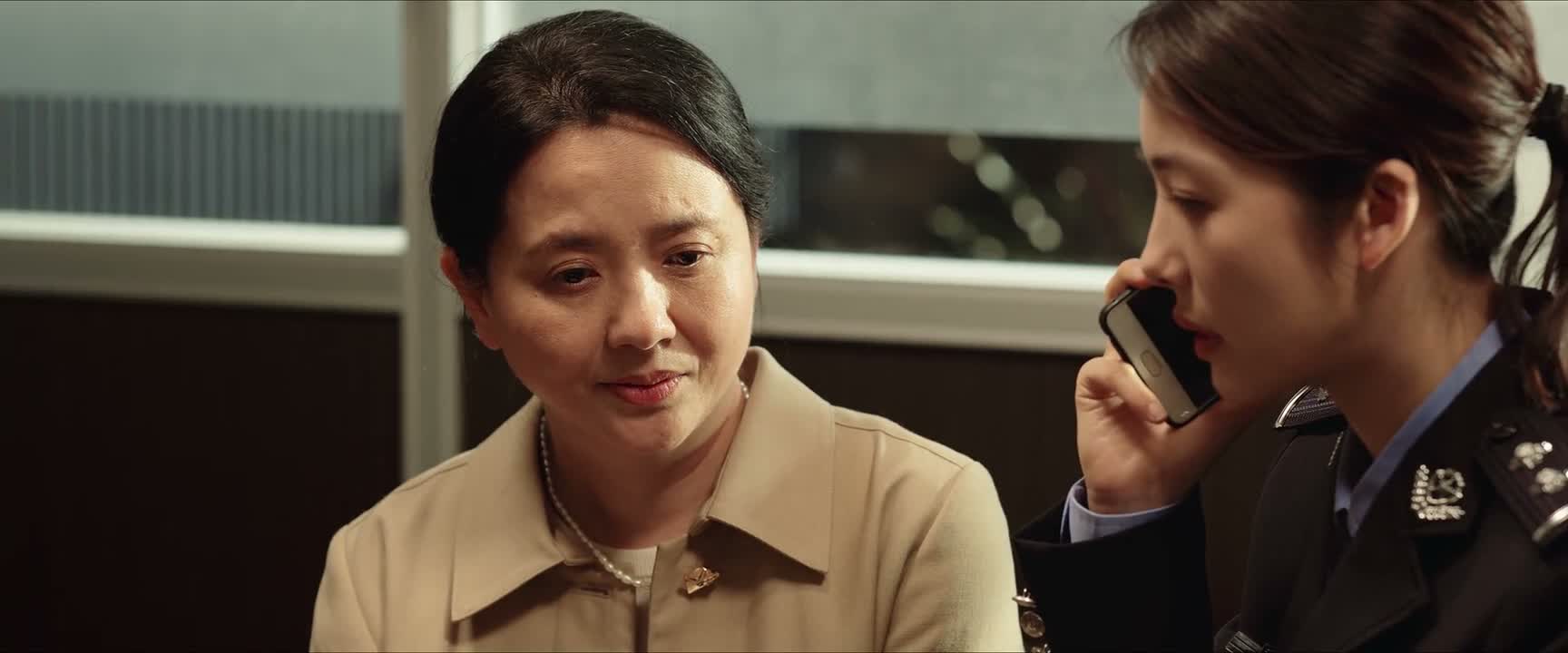
行吧 那我们俩先回去了
“OK. We'll go back first.”
THE DIALOGUE REEL
“Mingyue, go back with Tang Can first. Jianjian and I will continue.”
行吧 那我们俩 先回去了
“OK. We'll go back first.”
“I hate leaving you to search alone, but if you insist, we will go.”
Using '行吧' reflects a communal mindset where one cooperates with group decisions even when personally unsettled.
LEARNING CHUNKS & PARTICLES
alright then; okay fine
Used to express mild reluctance or resignation when agreeing to a compromise or someone else's plan.
head back first; leave ahead of the rest
A polite, standard conversational phrase when departing before others in a group.
Softens the agreement and conveys a tone of hesitant acquiescence.
Marks the imminent execution of the departure action.
VOCABULARY & EXPRESSIONS
Parallel Spoken Cinema Scenes (语义近邻切片)

“Alright. I'll head back first.”

“Alright, we're heading back. Let's go. Drive safely.”

“Alright then. Let's go. I'll go have a word with Auntie.”
“All right then. Let's split up for tonight.”

“Fine. When we get back from now on, we'll all lock our doors.”

“Alright, you should go up now. I should go too.”