所有的罪名他都自己扛
“he would take all the blame himself.”
THE DIALOGUE REEL
他的真实身份暴露了
“his true identity was exposed,”
所 有的 罪名他都 自己扛
“he would take all the blame himself.”
届时我们非但不会保他 还会 还会什么
“At that time, not only would we not protect him, we would also... Also what?”
“He sacrificed himself to shield us, so our hands are tied unless we act.”
In Chinese moral codes, especially in martial or brotherhood contexts, taking full blame (ding zui / kang zui) to protect family or sworn brothers is an ultimate expression of loyalty.
LEARNING CHUNKS & PARTICLES
accusation; criminal charge
Formal term used in legal, political, or serious conflict contexts referring to crimes charged.
to shoulder alone; to bear the brunt oneself
Colloquial and vivid idiom for taking sole responsibility for heavy hardship or consequences.
VOCABULARY & EXPRESSIONS
Parallel Spoken Cinema Scenes (语义近邻切片)

“He shouldered all the responsibility.”

“So he took full responsibility upon himself.”

“He has endured all of this silently by himself.”
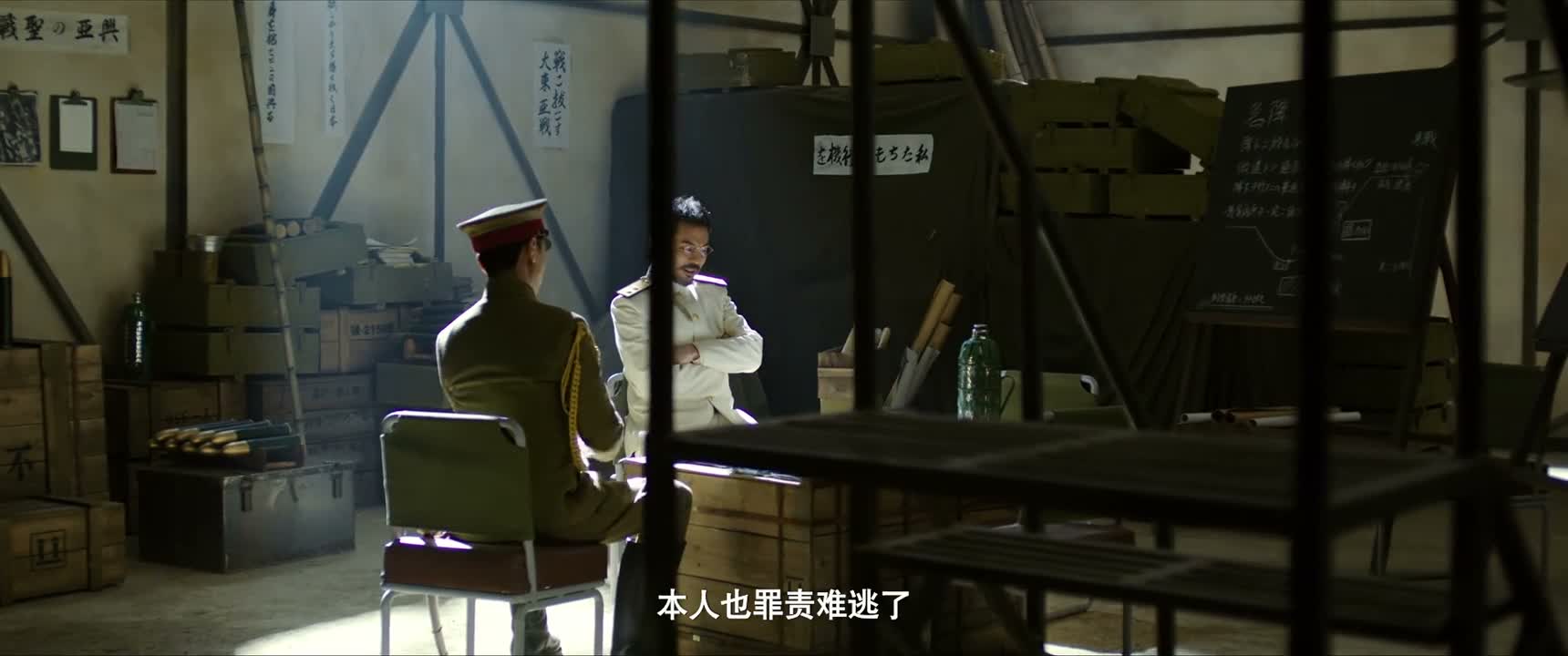
“I will not be able to escape the blame.”

“If one person can take the blame for everything,”

“Are you intending to take full responsibility?”