不过要是我我就认了 干嘛跟钱过不去啊
“But if it were me, I would go with him. There's no need to take the hard way.”
THE DIALOGUE REEL
“Whether you want to go with him is up to you.”
不过 要是 我我就 认了 干嘛 跟钱过不去 啊
“But if it were me, I would go with him. There's no need to take the hard way.”
“It's not easy for your dad to run a noodle restaurant. Just take it as robbing the rich to help the poor.”
“Be practical—don't let pride make your family's life harder when free money is on the table.”
Chinese interpersonal rhetoric often pits pure moral defiance against worldly pragmatism, where enduring emotional discomfort for financial survival is seen as practical wisdom.
LEARNING CHUNKS & PARTICLES
to refuse money; to turn down financial benefit out of stubbornness
A very common colloquial idiom used to question someone's refusal to accept lucrative opportunities or cash.
if it were me, I would...
Standard conversational device used to introduce friendly, unsolicited personal advice.
Marks a decisive hypothetical resolution or settled attitude in '我就认了'.
Adds rhetorical urgency and appeals for common sense at the end of the rhetorical question.
VOCABULARY & EXPRESSIONS
Parallel Spoken Cinema Scenes (语义近邻切片)

“Don't recognize it? Money.”

“Even if I take him home, you can rest assured,”
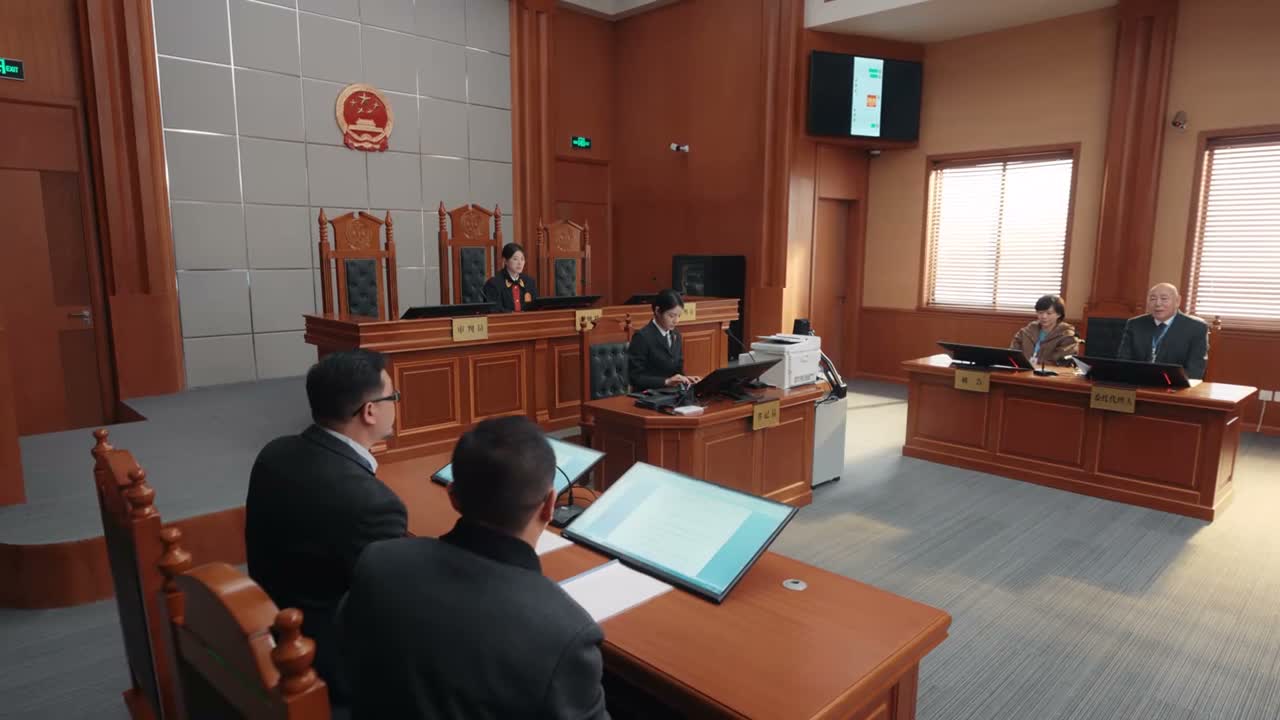
“I thought you were the one who paid for it.”
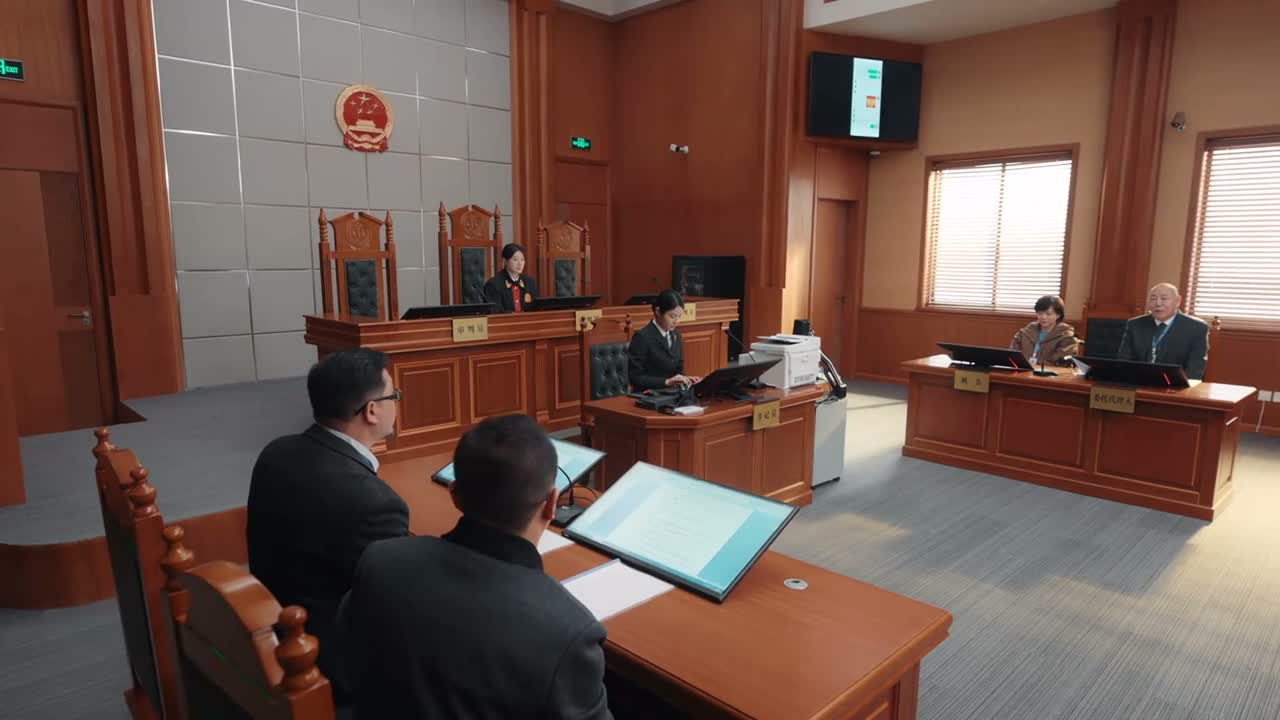
“I thought you paid for it yourselves.”

“Even if I face some punishment over this, I'll accept it.”

“I've told him that I wouldn't go with him.”