至于认不认 那就是你自己的事了
“Whether you want to go with him is up to you.”
THE DIALOGUE REEL
“He didn't bring you up and you don't have to provide for him when he gets old.”
至于 认不认 那就 是 你自己的事 了
“Whether you want to go with him is up to you.”
“But if it were me, I would go with him. There's no need to take the hard way.”
“At the end of the day, it's your call, but here is my honest take.”
Deciding whether to formally recognize an estranged relative (ren qin) often clashes between filial duty and practical, financial considerations in contemporary Chinese society.
LEARNING CHUNKS & PARTICLES
as for, speaking of
Placed at the start of a sentence or clause to introduce a related but distinct topic or angle.
your own business, up to you
A common spoken phrase used to demarcate responsibility and grant decision-making freedom to the listener.
Confirms the finality of the boundary, signaling that the decision naturally falls onto the listener.
VOCABULARY & EXPRESSIONS
Parallel Spoken Cinema Scenes (语义近邻切片)
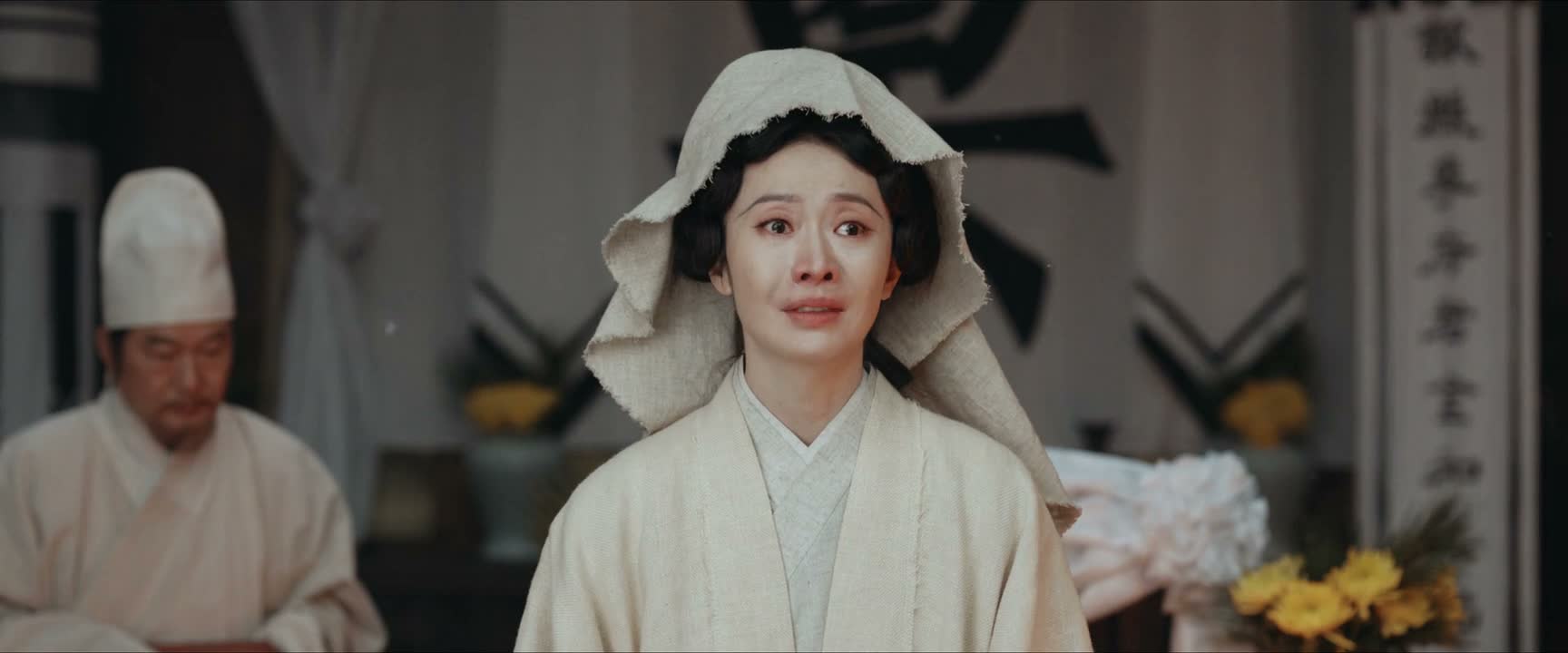
“as a manager, I will never accept it!”

“Do I know her? Can you stop asking?”

“I'd like to see if it'll obey you over me!”

“If you recognize someone, great, but it doesn't matter if you can't.”

“Don't recognize it? Money.”

“Take a look. Do you know her? No.”