你昨晚做梦了你知道不
“You know you had a dream last night?”
THE DIALOGUE REEL
“Why are you speaking up for Niu Bosheng?”
你昨晚 做梦了 你知道不
“You know you had a dream last night?”
说梦话
“Dream talk.”
“You talked in your sleep last night and revealed your true feelings.”
In Chinese interpersonal dynamics, sleep talk (说梦话) is often seen as unvarnished subconscious truth, frequently used as humorous or serious evidence in personal debates.
LEARNING CHUNKS & PARTICLES
to dream / to have a dream
Refers literally to dreaming in sleep, or figuratively to unrealistic daydreaming.
did you know / you know?
A northern spoken variant of '你知道不知道' or '你知道吗', used to draw immediate attention.
VOCABULARY & EXPRESSIONS
Parallel Spoken Cinema Scenes (语义近邻切片)
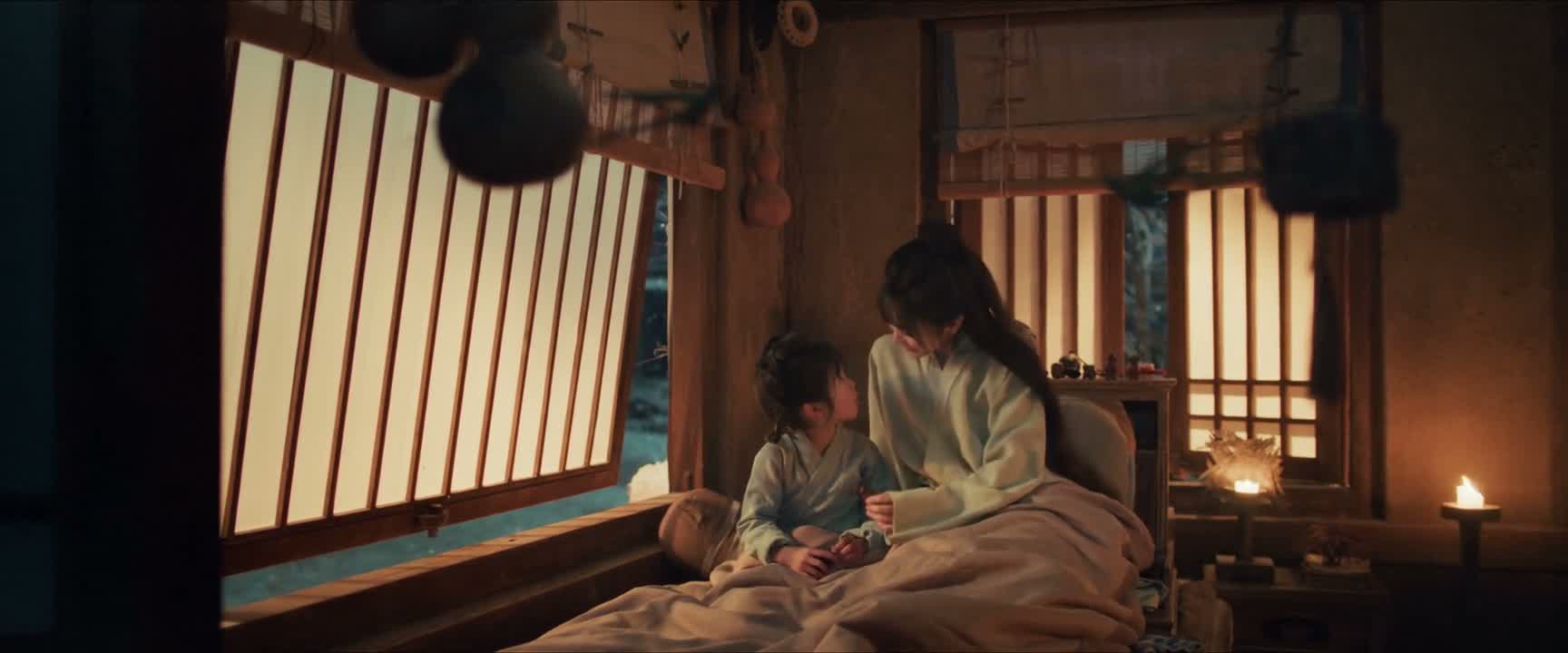
“you talked in your sleep again last night.”

“You know what? I think I had a dream last night.”

“You didn't stay up all night, did you?”

“Did you make all that up in your head?”

“I know something will happen tonight. Inform me once you learn anything.”

“How did you know I was faking sleep?”