宫中怎会有如此晦气之物
“How could such unlucky things exist in the palace?”
THE DIALOGUE REEL
应该还在池子里
“The rest of the body is likely still in the pond.”
宫中怎会有如此晦气之物
“How could such unlucky things exist in the palace?”
速传宫正前来
“Quickly summon the palace official.”
“Who dared to bring this cursed thing into the palace? Someone needs to be punished for this!”
In imperial China, palace grounds were considered consecrated, auspicious spaces; inauspicious objects (like witchcraft dolls or dead relics) were seen as grave treasonous taboos.
LEARNING CHUNKS & PARTICLES
how could there be
A rhetorical construction commonly used in dramatic or formal Chinese to register disbelief or indignation.
inauspicious object; jinxed or cursed item
Used in historical or literary contexts to refer to items believed to bring misfortune, curse, or bad luck.
VOCABULARY & EXPRESSIONS
Parallel Spoken Cinema Scenes (语义近邻切片)

“There are often rumors in the palace”

“It must be from the palace.”

“nobody in the palace would dare to openly disrespect him.”
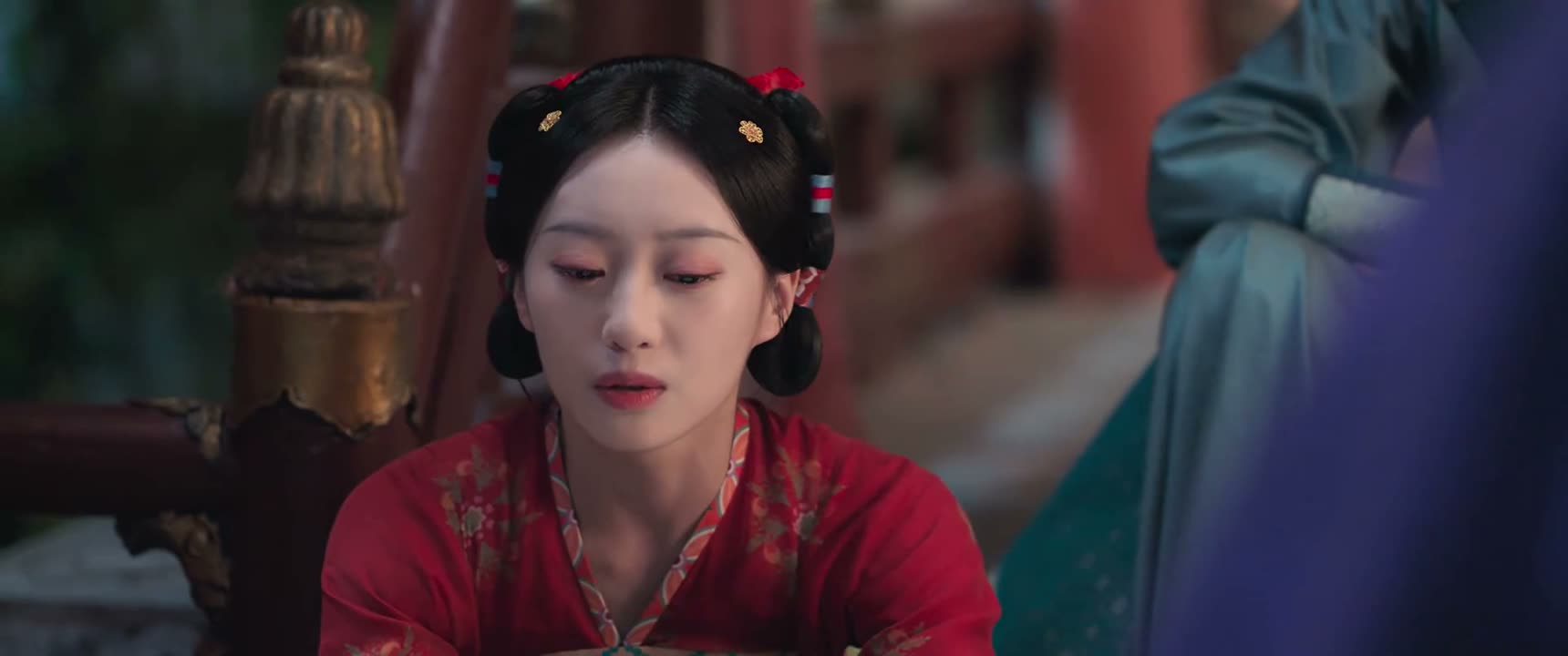
“Many palace maids were harmed by him.”

“The epidemic has improved a lot.”

“And when has anyone in the palace ever paid me much mind?”