晦气
huì qìCommon spoken expression used by native Chinese speakers in daily life.
[Scene: 其他场景]
(7 clips) 00:02
 00:03
(来 你们给我让开) ── Previous context
“Renting to this jinx this time, what terrible luck!”
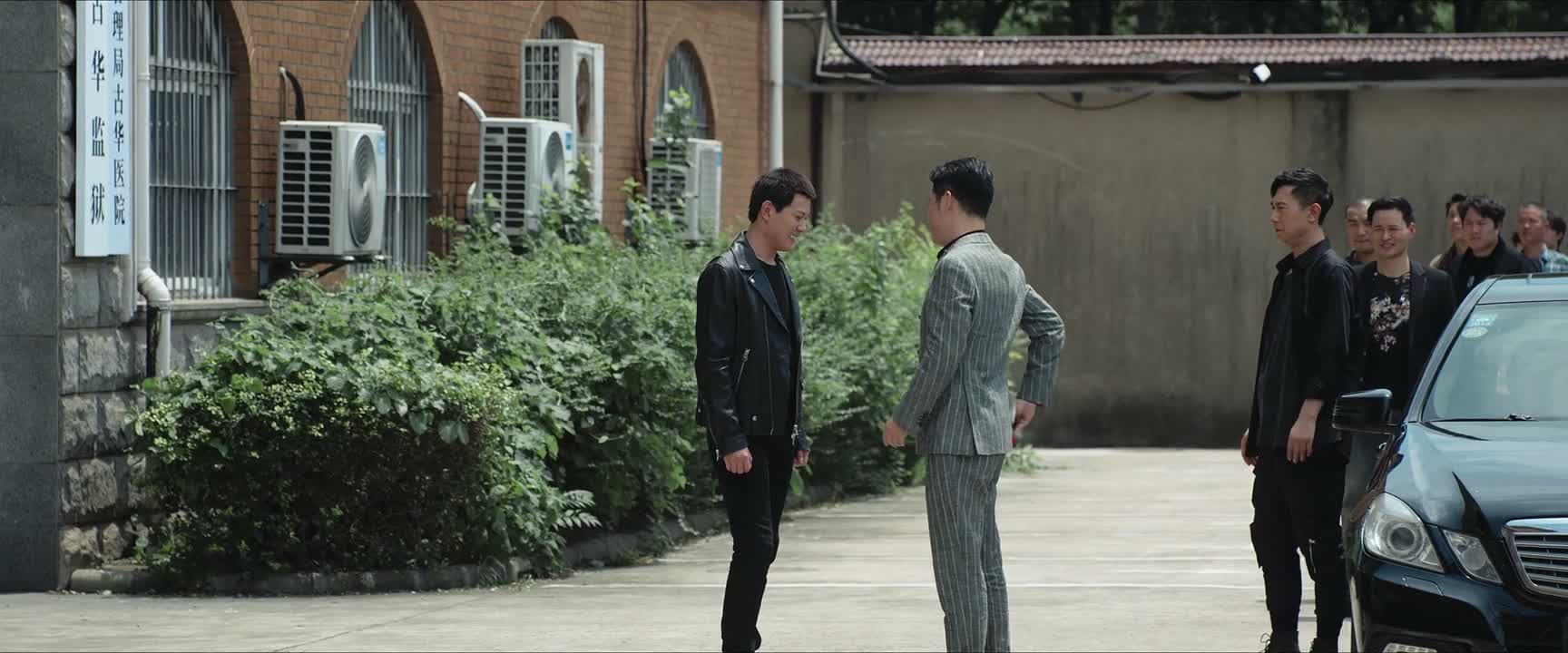 00:02
 00:02
 00:02
(说我是丧门星的妹妹) ── Previous context
“saying I needed a splash of water to get rid of my bad luck.”
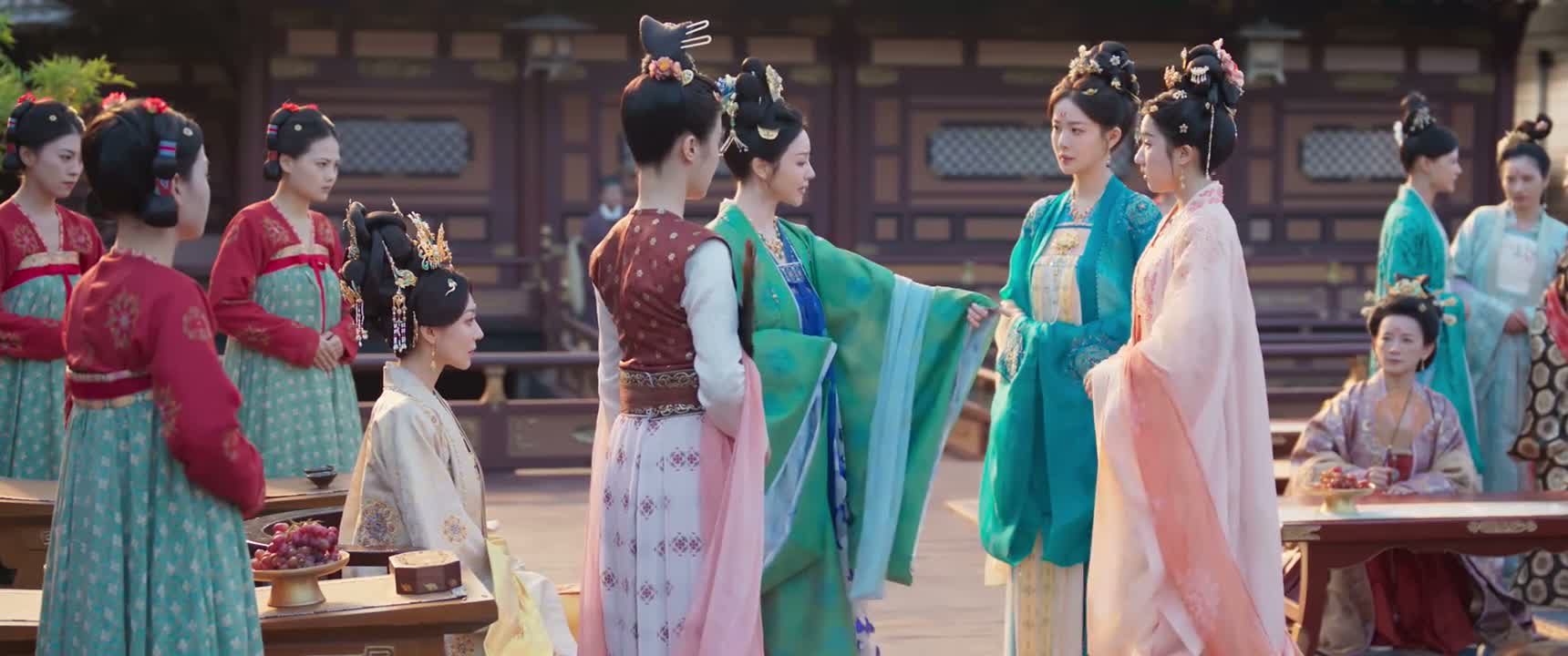 00:02
 00:02
[Scene: 其他场景]
(5 clips) 00:03
(别提了 真是见了鬼了今天) ── Previous context
“Why did the jinx show up at my door? What bad luck.”
 00:03
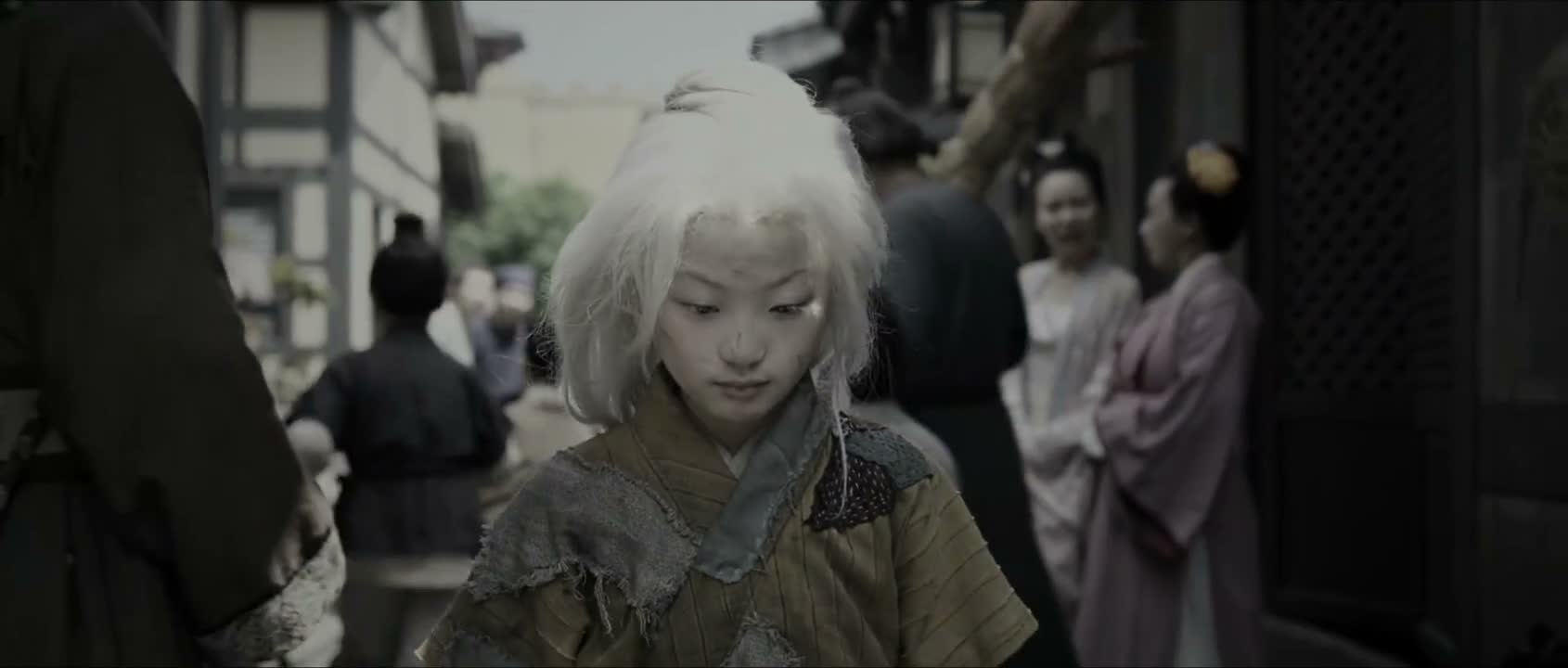 00:02
 00:02
 00:03
[Scene: 家庭日常]
(3 clips) 00:02
 00:02
 00:02
[Scene: 历史宫廷]
(2 clips) 00:03
(韦贤妃那日穿的衣服可还在? 我去问了) ── Previous context
“She said it was bad luck, so she had it burned later.”
 00:02
[Scene: 商务沟通]
(1 clips)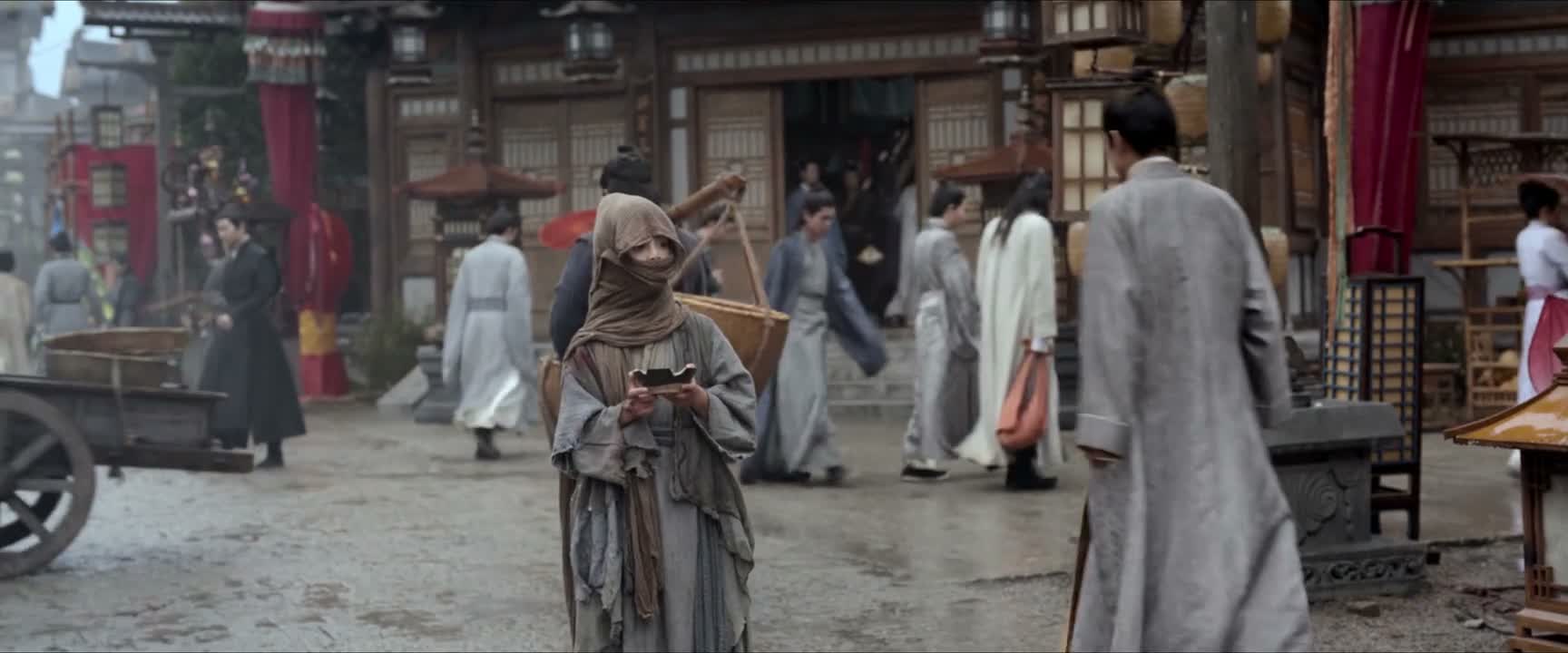 00:02
[Scene: 餐饮美食]
(1 clips) 00:02
[Scene: 警匪刑侦]
(1 clips) 00:03
(配合一下 做个实验 不 警官 没这个必要吧) ── Previous context
“It really wasn't me. T-This is so unlucky.”
📌 不容易
→Nuance: 同向近义词根配对: [别人 ↔ 人家]
📌 乱说
→Nuance: 责怪乱说话,指责口吻不同
📌 乱说
→Nuance: 均责怪乱说话可同义替换
📌 赶紧
→Nuance: 同为驱除晦气的习俗意图
📌 真的不是
→Nuance: 核心皆为极力否认,意图一致
📌 不清楚
→Nuance: 同向近义词根配对: [知道 ↔ 清楚]
📌 瞧不起
→Nuance: 同向近义词根配对: [别人 ↔ 人家]
📌 不是
→Nuance: 同为辩解澄清,表达更委婉详尽
📌 不是
→Nuance: 核心皆为极力否认,意图一致
📌 乱说话
→Nuance: 责怪乱说话,指责口吻不同