韦贤妃嫌晦气 一回去就让宫人给烧了
“She said it was bad luck, so she had it burned later.”
THE DIALOGUE REEL
韦贤妃那日穿的衣服可还在? 我去问了
“Does Consort Wei keep the outfit she wore that day? I asked.”
韦贤妃嫌 晦气 一 回去 就让宫人给 烧了
“She said it was bad luck, so she had it burned later.”
这个季节暮鸦喜食相思果 韦贤妃喜艳色
“This season, crows crave lovefruit. Consort Wei favors bright colors.”
“She claimed it was bad luck, but she obviously destroyed the evidence.”
In traditional superstition, objects associated with death, misfortune, or ominous encounters are burned to purge ill fortune, a practice frequently exploited to destroy criminal evidence.
LEARNING CHUNKS & PARTICLES
to dislike or avoid something because of a flaw or nuisance
A highly useful spoken verb used when taking issue with something unfavorable, often followed by an undesirable adjective.
bad luck; inauspicious; taboo
Colloquial term referring to misfortune or negative spiritual energy that one wants to wash away or burn.
as soon as... then...
Core syntactic pattern indicating that the second action occurs immediately following the first.
Marks the completion of the burning action.
VOCABULARY & EXPRESSIONS
Parallel Spoken Cinema Scenes (语义近邻切片)

“Consort Wei, will you take it all,”

“Consort Wei had no choice but to put her to death in grief."”
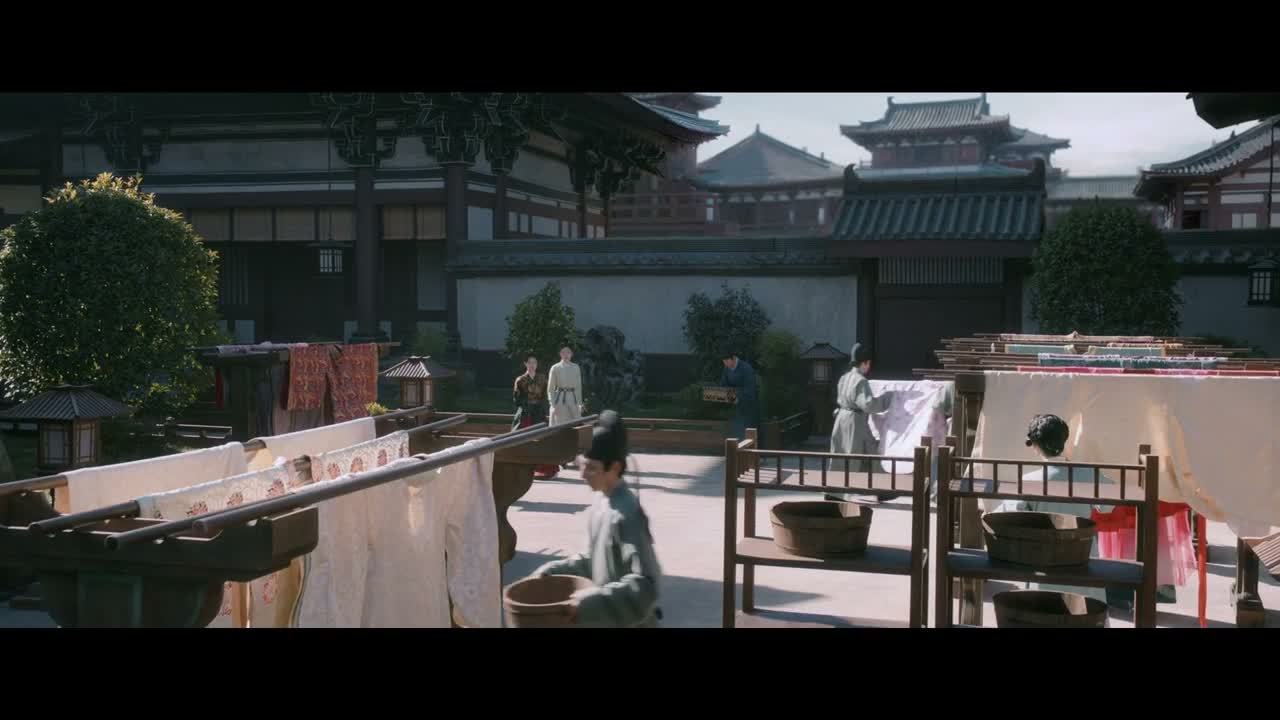
“There's a record of who washed Consort Wei's clothes. We'll find out.”

“"Consort Wei loves music, and she and Lady Wang bonded over it.”

“that the clothes were tampered with was burned by Consort Wei. There's nothing left to investigate.”

“Consort Wei can twist things to her will,”