不知道人家看见你就晦气吗
“Don't you know you're a jinx?”
THE DIALOGUE REEL
你在这里做什么
“What are you doing here?”
不知道 人家 看见 你就 晦气 吗
“Don't you know you're a jinx?”
不知六姐姐说的晦气 是何意思啊
“What do you mean by "jinx," Shuang?”
“Get out of my sight; you are an unwanted jinx.”
Traditional Chinese culture places heavy emphasis on auspicious energy, meaning calling someone 'huiqi' is a serious personal insult that implies they bring misfortune.
LEARNING CHUNKS & PARTICLES
don't you know that...?
A rhetorical pattern used to challenge or scold someone for their lack of awareness or decency.
unlucky / bad omen / jinx
A strong colloquial term used to describe foul luck, cursed situations, or an unwelcome person considered a bad omen.
Forms a sharp rhetorical question highlighting the listener's alleged ignorance.
VOCABULARY & EXPRESSIONS
Parallel Spoken Cinema Scenes (语义近邻切片)

“Of course, the others can't see you easily.”
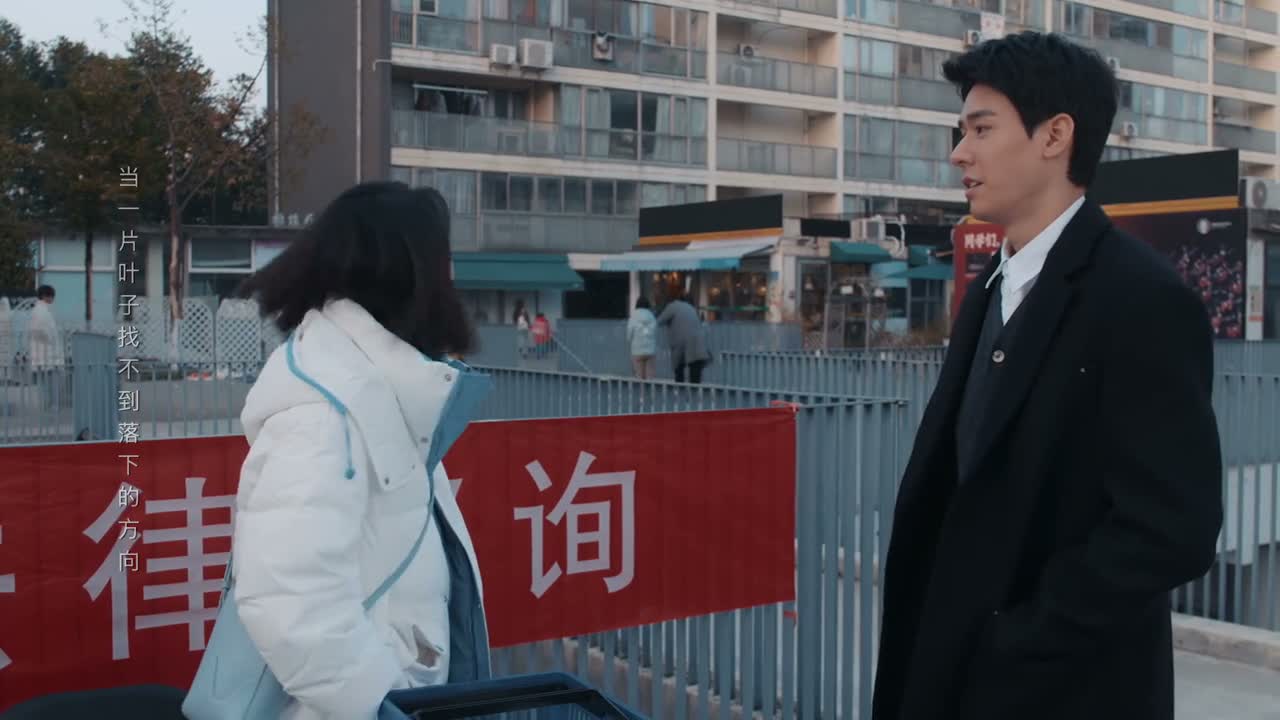
“I don't want people getting the wrong idea.”

“It doesn't look good.”

“I can't let anyone look down on you, can I?”